A commission born of public pressure
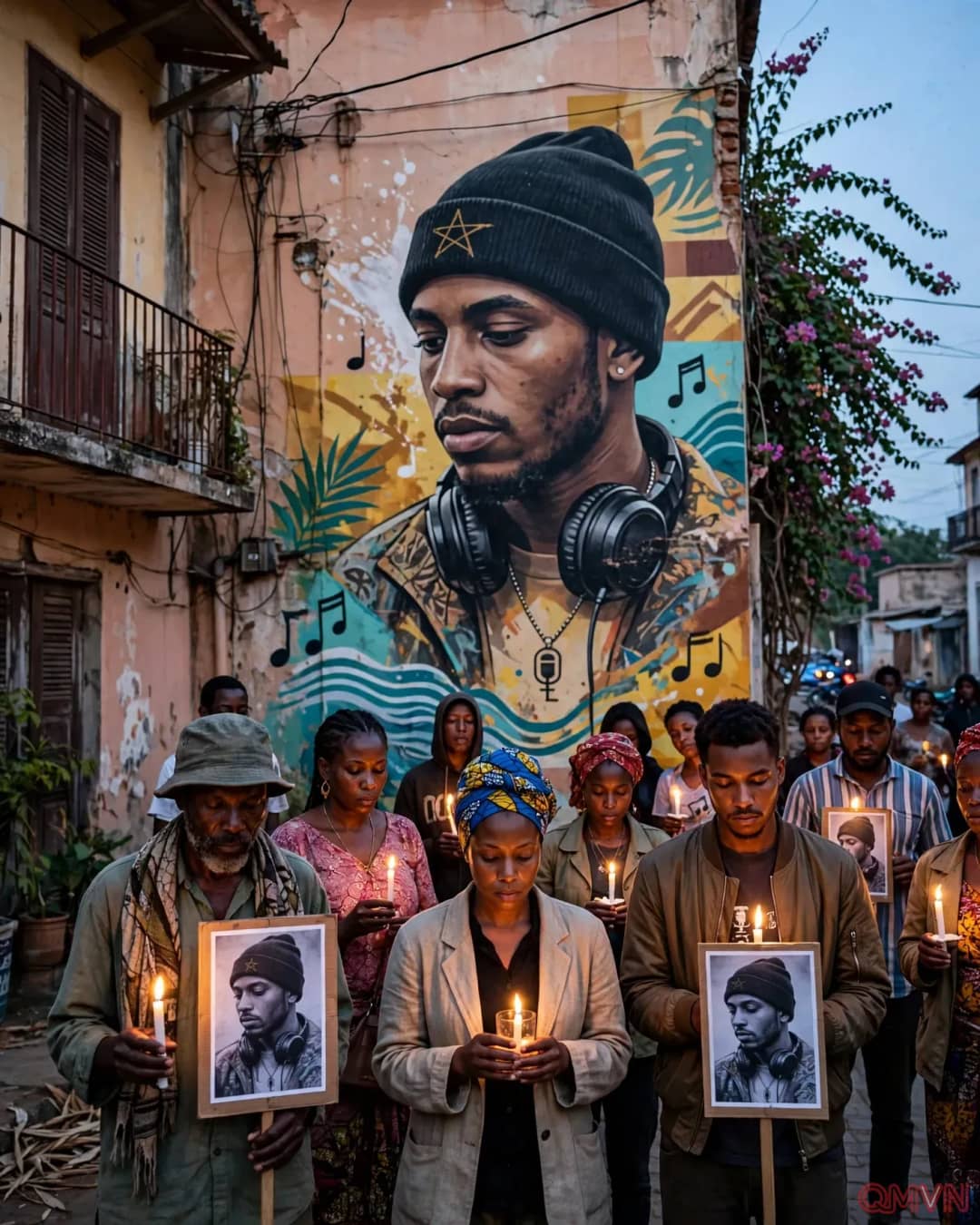
The announcement came nearly eight months after Balanta's death, and only after sustained calls from opposition figures and journalists for those responsible to be held to account. The prosecution's office said the new body would have 60 days to name suspects, determine what crimes were committed and deliver its conclusions. In a statement on Tuesday, Po' di Terra described the commission as proof that popular pressure and the demand for truth could no longer be ignored, while making clear that its trust would be conditional.
“Po' di Terra will not watch this process with naivety or passivity.” — Po' di Terra
Nado da Cunha, who took over the movement's leadership after Balanta's death, said the group was determined to secure justice. Writing from Brazil, where he is based for his own safety, he urged that the commission not be used for political gain or for behind-the-scenes manoeuvres aimed at cleaning up the image of state institutions.
A voice silenced in the rice fields
Balanta was 32 years old. His rap spoke of growing up poor in a country with few opportunities, and it resonated with young people exhausted by endless political turmoil.