A disease that hides its calling card
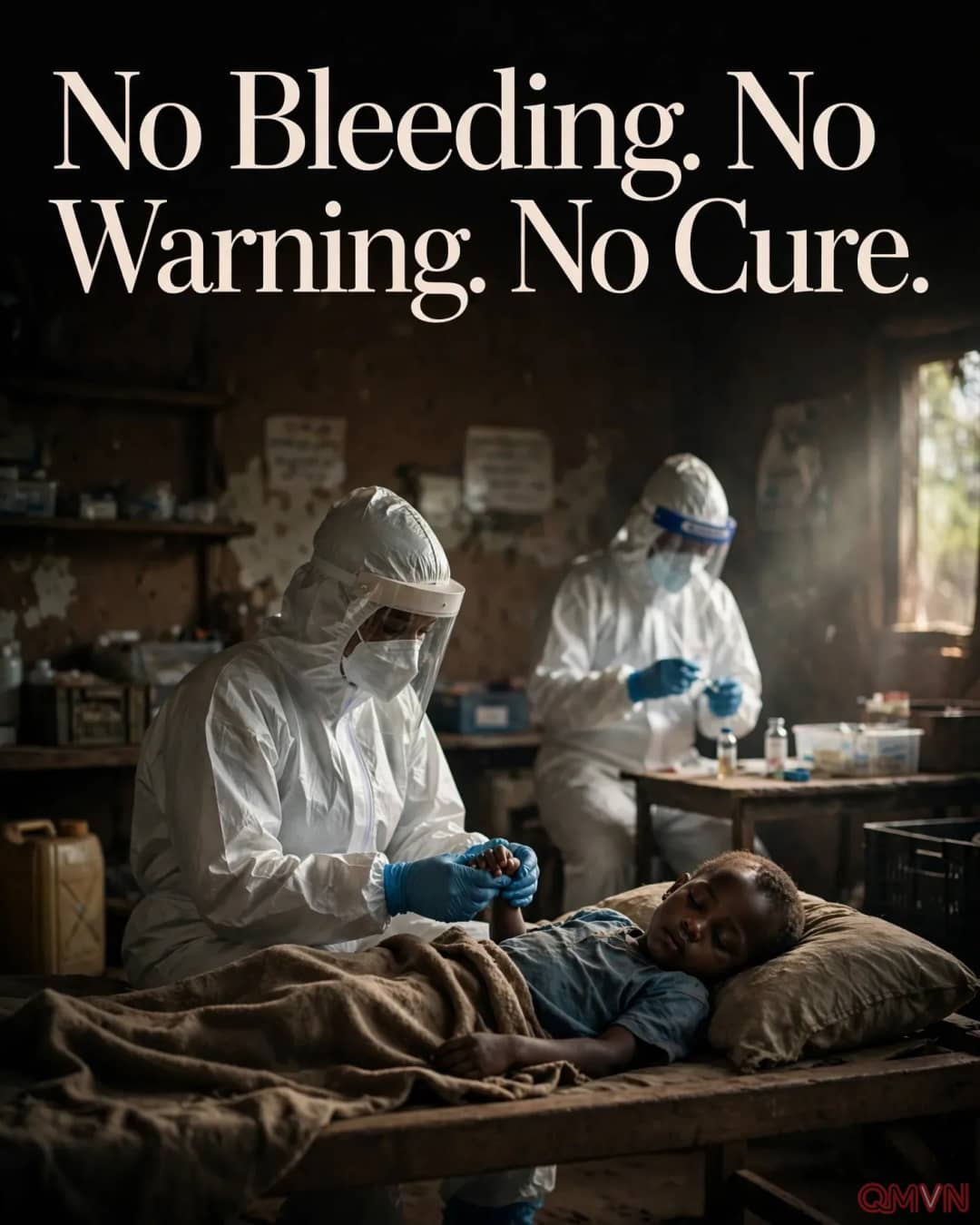
Ebola infection typically brings fever, vomiting and diarrhoea and, in severe cases, internal and external bleeding. In this outbreak, however, Yap Boum, the Africa CDC's deputy Ebola incident manager, told Reuters that bleeding occurs in only about 5% to 10% of confirmed cases – far less often than with the more common Zaire species. Jean-Jacques Muyembe, the co-discoverer of Ebola who heads Congo's National Institute for Biomedical Research, added that in some patients bleeding appears only late in the illness.
That subtlety has had deadly consequences. Without its most recognisable symptom, the disease is easily confused with malaria, and early tests designed for other Ebola species failed to detect Bundibugyo. Although the outbreak was declared in May, the WHO and Africa CDC believe the virus may have been circulating for months before. Even now, about 70% of patients die in their communities rather than in health facilities, often because neither they nor their families suspect Ebola.
The youngest victims
For young children, the picture is more complicated still. Catherine Smallwood, the WHO's Ebola incident manager, said gastrointestinal symptoms are more common than fever among the very young, delaying diagnosis and treatment – which may help explain why children are being hit disproportionately hard.
According to the latest data from Congo's health ministry and the WHO, 1,207 children under five have been confirmed infected, and 844 of them have died – roughly seven in ten. Among adults, the fatality rate is around 50%: higher than in previous Bundibugyo outbreaks, though below the rates of up to 80% seen with untreated Zaire Ebola.
What science knows – and what it still does not
Experts caution that conclusions remain tentative. The outbreak is unfolding in an eastern Congo already gripped by a humanitarian crisis, where data are limited, uneven and hard to gather. Daniel Bausch, a member of the WHO's Ebola emergency committee, stressed how difficult it is to compare outbreaks, or even different phases of the same one. Still, several findings are emerging:
- Genomic sequencing shows Bundibugyo is not mutating rapidly or becoming more transmissible.
- As with Zaire, the virus appears to spread only when patients show symptoms.
- Standard measures such as isolating patients have curbed transmission in early hotspots.
- Prompt access to good care greatly improves the chance of survival.
Key questions remain open, including how often infection causes only mild illness and what long-term effects survivors face; around 700 survivors have enrolled in a study and support programmes, the WHO said. Sylvie Jonckheere of Médecins Sans Frontières warned that mild cases are almost impossible to find while so many severe ones still go unidentified until death.
The race for a game changer
The greatest unknown is whether any vaccine or drug works. A trial is assessing whether Merck's Ervebo, developed against Zaire, offers cross-protection against Bundibugyo – something the WHO stresses has not been shown in humans. Vaccines designed specifically for Bundibugyo are due to enter trials soon, while medics are testing preventive antivirals and treatments from Gilead Sciences and Mapp Biopharmaceutical.
For responders who started empty-handed, even partial success would transform the fight. Boum recalled that at the outset there were simply no vaccines and no treatments.
If we start proving we have some efficacy... it becomes a game changer.