MAIN ARTICLE
A historic ruling without an open road home
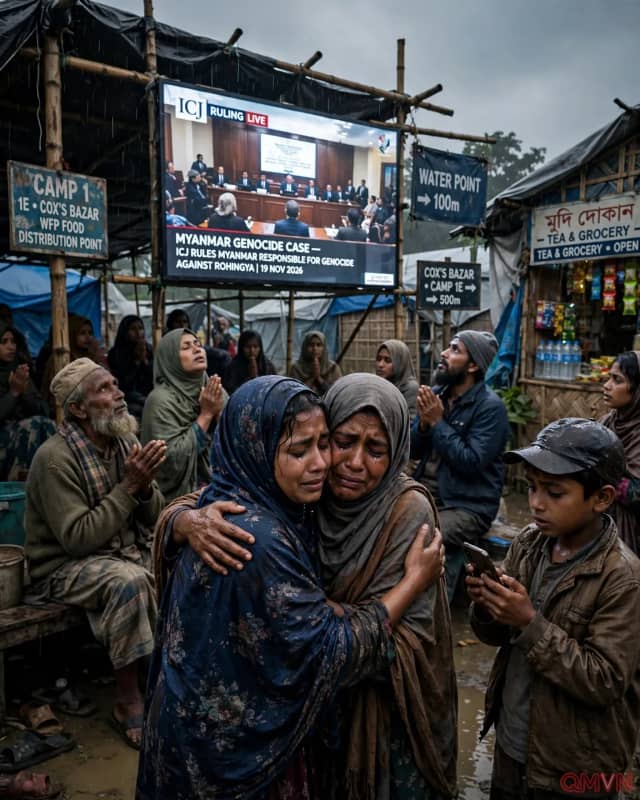
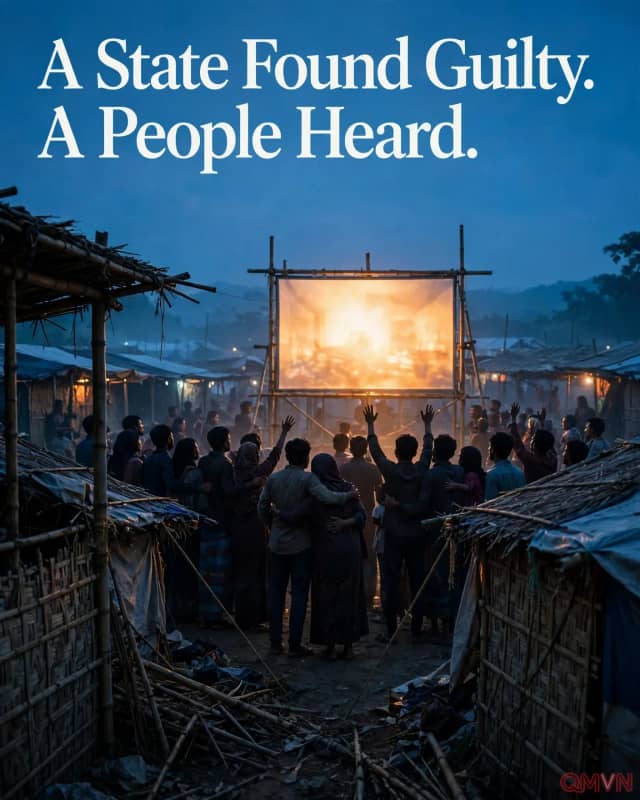
The ICJ concluded that Myanmar breached the Genocide Convention through its 2017 operations in northern Rakhine. The case, filed by Gambia in 2019, proceeded through years of evidence, hearings and legal argument. The court addressed Myanmar’s obligations regarding reparations and the safe return of people displaced by its wrongful acts, although implementation will require further work. This was a judgment about state responsibility, not a criminal conviction of named individuals. Its moral weight is substantial, but the distinction also matters when considering how it can be enforced.
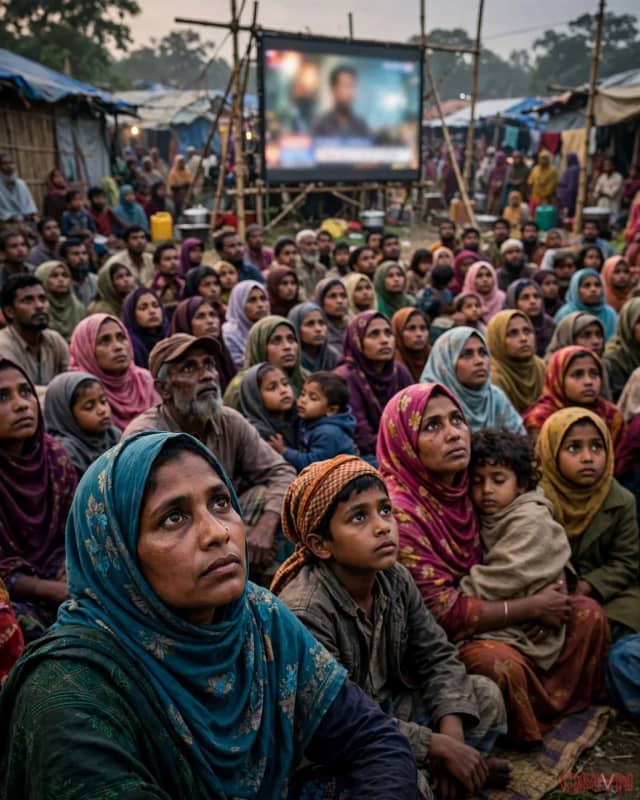
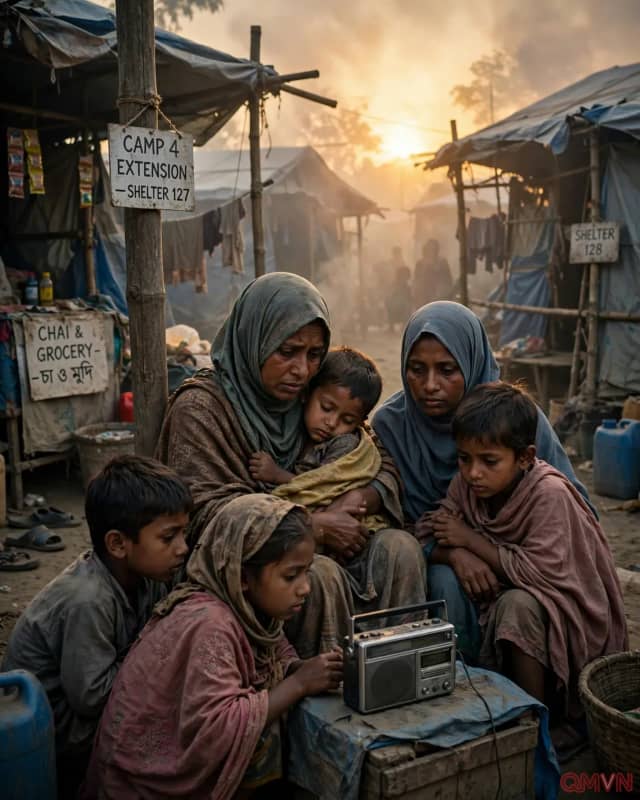
For refugees, the most immediate achievement is acknowledgement: a formal legal finding that atrocities they described were not merely unfortunate consequences of conflict. Myanmar, however, rejected the outcome as unfair, highlighting the distance between a binding legal judgment and cooperation by the state concerned. ICJ decisions settle disputes between states, but the court has limited means of compelling compliance by itself. That gap leaves survivors watching political developments with both vindication and anxiety.
Rakhine remains a contested battlefield
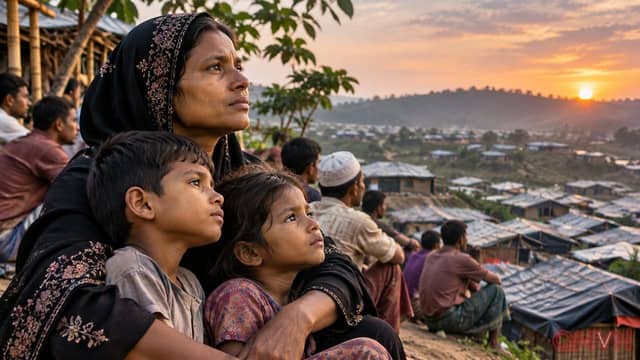
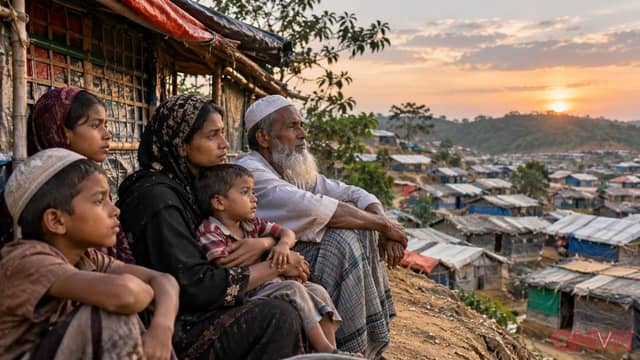
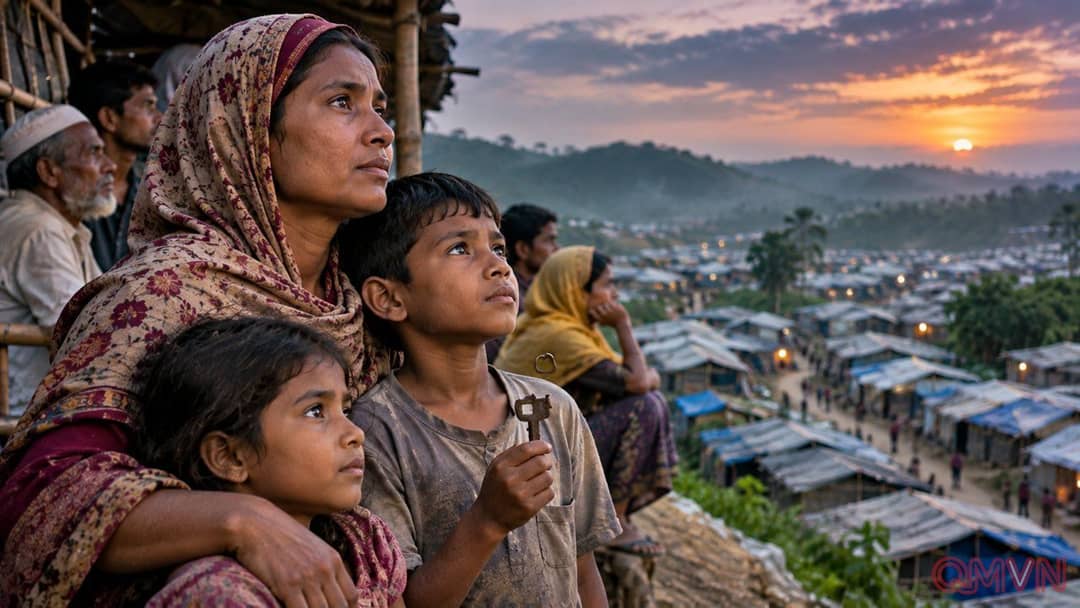
The military campaign in 2017 drove roughly 750,000 Rohingya across the border into Bangladesh. After Myanmar’s 2021 military coup, a wider civil war transformed security across the country.