MAIN STORY
Following the smoke through corporate records
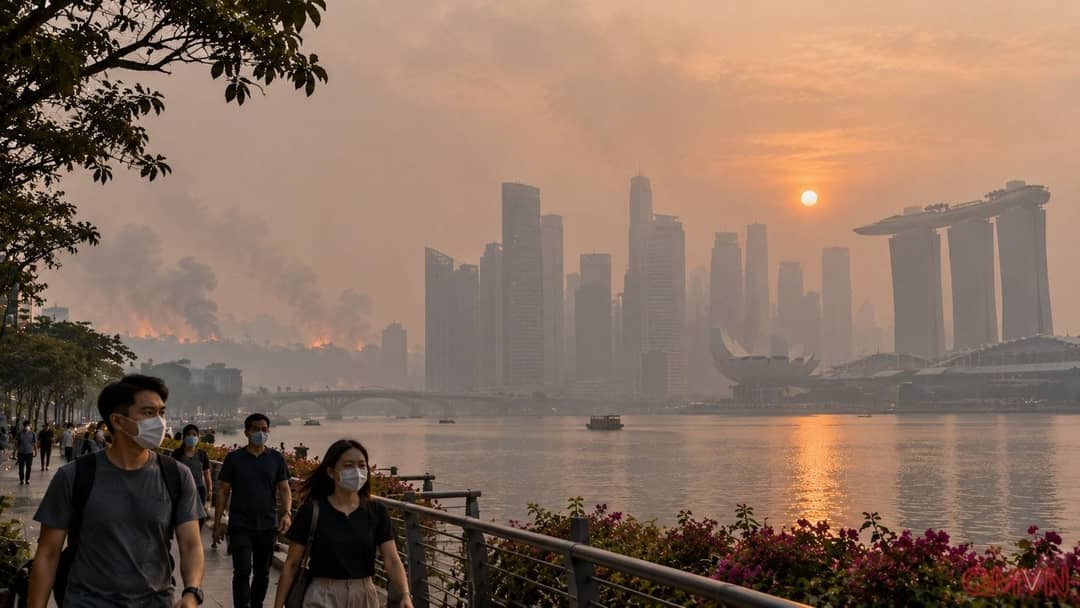
The haze obscuring Singapore’s skyline has roots well beyond the island. Fires on Indonesian forest and agricultural land can send smoke across national borders, while dry weather makes suppression difficult. Identifying a fire on a map, however, is different from identifying a legally responsible operator. Investigators must examine land boundaries, control rights, contracts and contemporaneous firefighting records.
On October 23 the NEA named ten Singapore-registered businesses: Asia Pulp & Paper Company, Asia Pulp & Paper Company (China), Bumitama Agri, Golden Agri International, First Resources, Indofood Agri Resources, Kencana Agri, TSH Global Plantation, TSH Oversea and Wilmar International. They hold Indonesian concessions or are connected to companies that do. The notices seek information; they are not findings of wrongdoing.
The promise and limits of cross-border law
Singapore’s Transboundary Haze Pollution Act aims to address haze that originates outside its territory. Depending on what can be proven, the law provides penalties that can reach S$100,000 per day of pollution.
A request for documents under Section 10 is nevertheless a separate step from establishing liability or imposing those penalties.
The agency has also sought preventive action and information from ten Indonesia-registered companies. Investigators face difficult questions: whether fires began within particular concessions, who exercised effective control, what steps were taken to prevent burning, and how smoke travelled. A hotspot within a concession is not by itself proof that a listed company started or condoned a fire.
Companies respond as residents bear the cost
Wilmar International and First Resources have indicated that they will provide the requested material, while Bumitama Agri has likewise pledged cooperation. Golden Agri has said it will cooperate and has previously stated that it had no information showing its operations contributed to the haze. These positions should be distinguished from any future determination by regulators.
For residents, the issue is more immediate than corporate structure. Poor air can disrupt work, exercise and school activities and is especially worrying for vulnerable people. Singapore categorises a 24-hour Pollutant Standards Index reading between 101 and 200 as unhealthy. Readings fluctuate, however, and a measurement from one location and time should not be treated as a description of the entire region.
A wider reckoning for regional supply chains
Palm oil and timber supply chains tie remote concessions to publicly listed businesses, processors, financiers and consumers. That complexity can obscure responsibility but also provides documentation for investigators to follow. It is essential not to confuse corporate association with proof of direct involvement in fires.
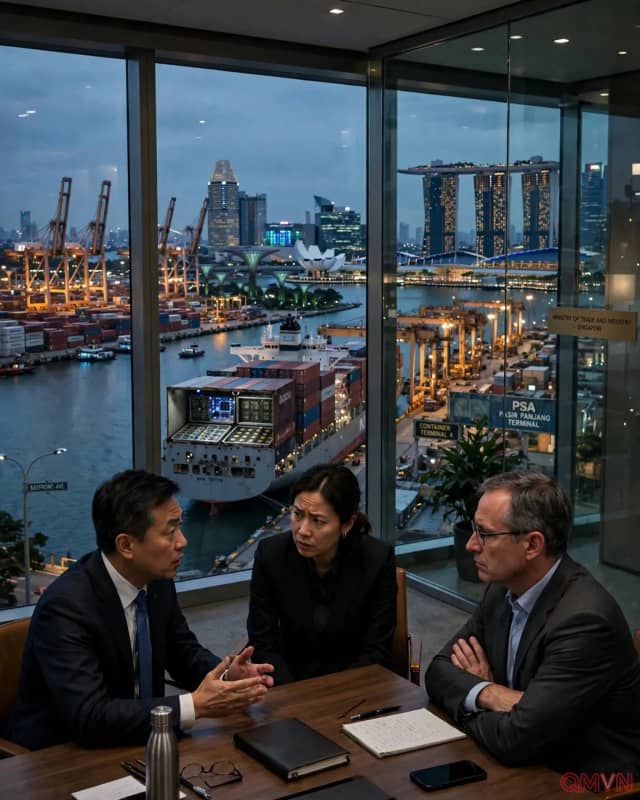
Singapore is seeking specialist legal, auditing and investigative assistance to examine corporate relationships across borders. Cooperation with Indonesian authorities, credible evidence and fair procedures will determine the strength of the case. Sustainable prevention also demands peatland protection, reliable monitoring and viable alternatives to land clearing by fire. Even a successful prosecution could not, alone, end the recurring haze.