MAIN STORY
A September pledge awaits operating rules
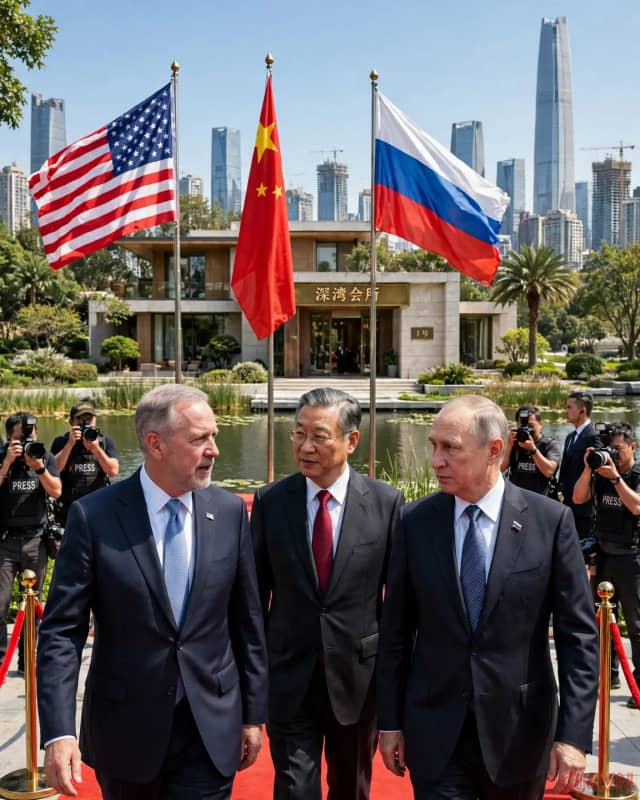
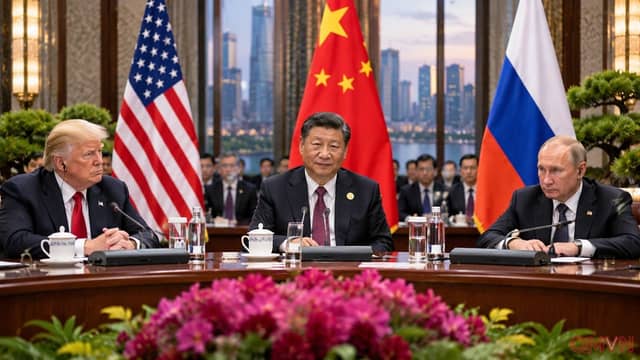
The leaders’ September meeting in Washington laid the political groundwork for a bilateral AI dialogue and a channel for communicating about incidents. The Stockholm International Peace Research Institute reports that officials aimed to hold follow-up technical discussions in November. Yet a commitment to create a hotline is not evidence that a staffed service is already functioning. Governments still need to settle which agencies will handle messages, how serious an incident must be to trigger a call and how to verify claims made in a crisis.
US Treasury Secretary Scott Bessent has outlined possible exchanges on testing advanced models before release and keeping people in control of consequential decisions. Reuters has described plans for emergency notification arrangements meant to reduce the chance of an accidental AI incident escalating into a national security dispute. Such discussions concern risk management; they do not establish an enforceable agreement to slow AI development, reveal proprietary technology or accept common restrictions on advanced computing.
A useful mechanism requires precise answers: who can invoke it, what evidence must be provided and how quickly must a counterpart respond? If a privately operated AI agent accesses a sensitive foreign server, does the matter rise to the governmental level? Would an AI-generated panic affecting financial markets qualify? Without an agreed definition of an “AI incident,” a phone number and an accompanying political statement may deliver little practical protection.