Concessions that fall short
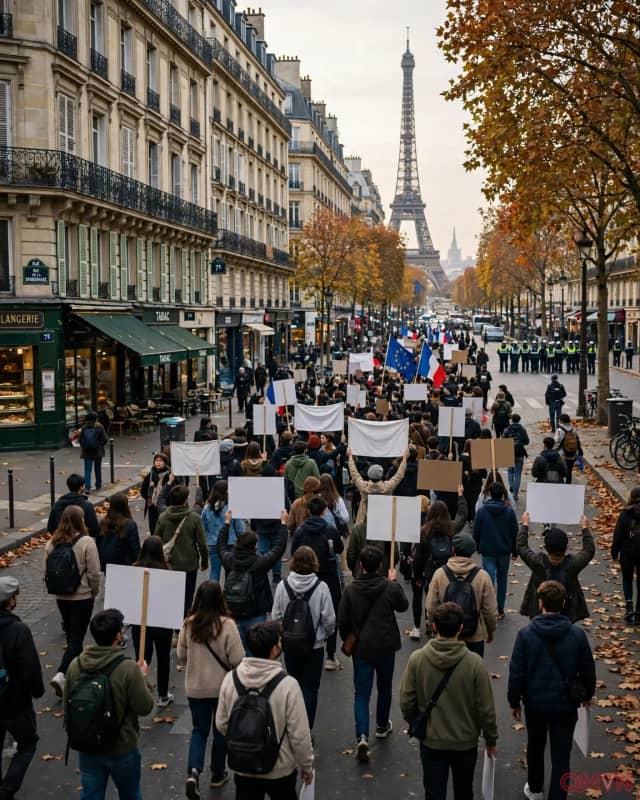
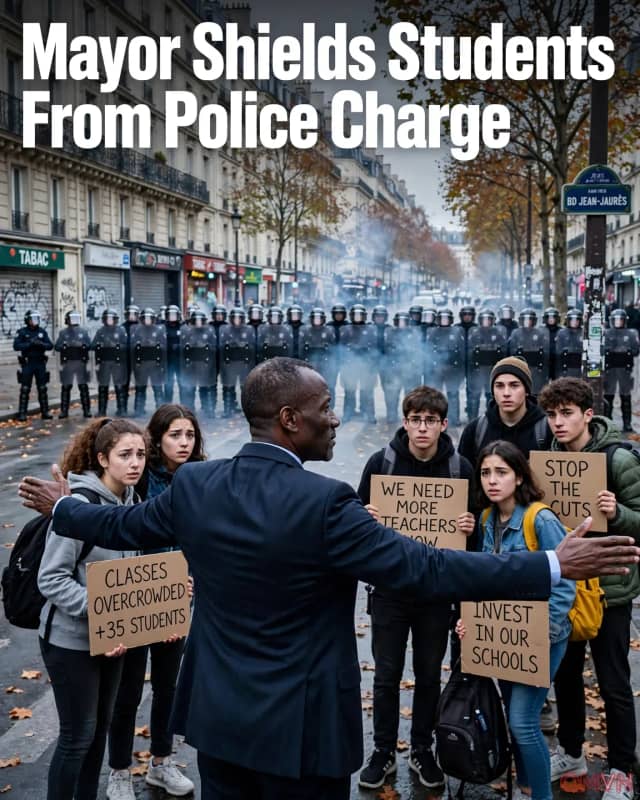
After meeting government officials in Paris, student representatives said many of their demands had not been met. The package announced by the government includes:
- A commitment to cap the size of some high school classes.
- €4 billion in loans to renovate schools and €1 billion of investment in university campuses.
- The replacement by 2028 of a university admissions system students see as socially unfair.
- Student grants indexed to inflation and 15,000 additional higher education places.
“We'll go on for as long as it takes.” — Louis Letoublon
From the classroom to the streets
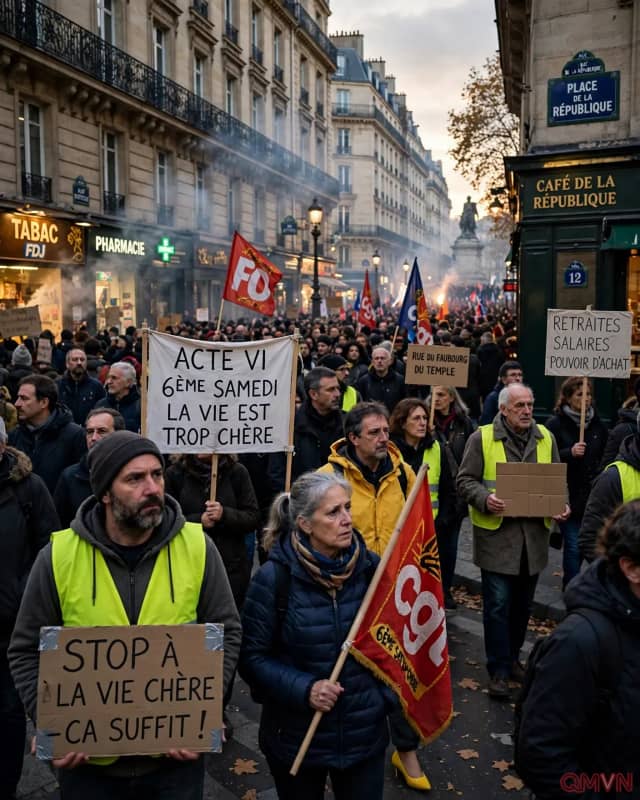
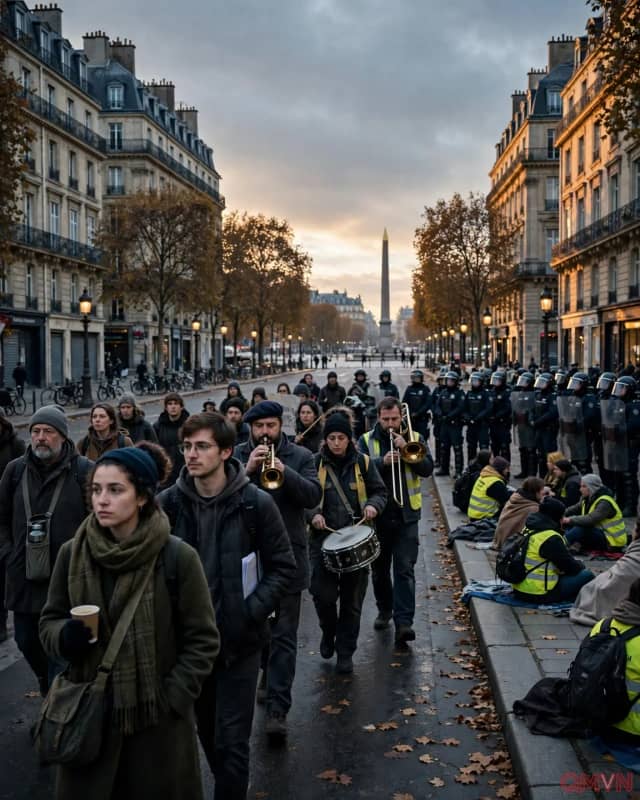
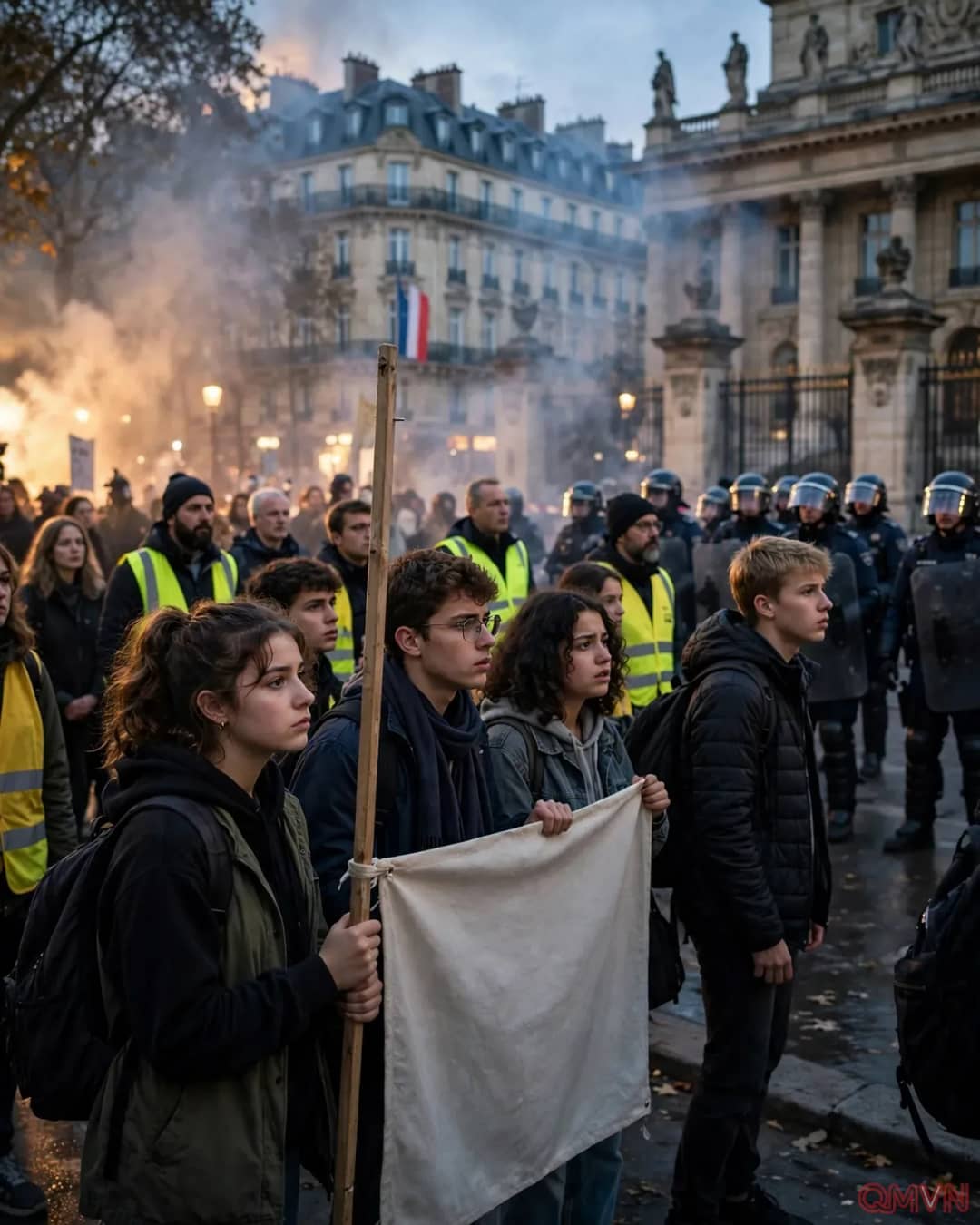
Education Minister Edouard Geffray acknowledged the need to ease the pressure on the education system. But the movement has spread beyond education, drawing in trade unions and yellow-vest activists. Violence that engulfed dozens of cities on October 17 raised fears that the state had lost control of the streets.
Touring Marseille, President Macron acknowledged there would likely be more unrest ahead of a bigger nationwide day of protests on November 5, pledging to keep security measures in place and to move protests away from city centers.
Interior Minister Laurent Nuñez said 1,435 people were arrested during Saturday's demonstrations. Police also recorded a new phenomenon: organized far-right groups confronting far-left activists in several cities such as Nice and Montpellier, under the banner of defending businesses. Earlier, Prime Minister Sébastien Lecornu had warned that the movement had changed in nature.
“…a movement of urban violence.” — Sébastien Lecornu
The economic toll and the budget puzzle
The government gave no overall cost for the package, while high borrowing needs are already complicating efforts to agree a budget for next year. With public debt approaching 120% of GDP, Paris has little room to spend its way out of the unrest. A selloff in French government bonds paused on Monday after rating agency Moody's refrained from downgrading the country's sovereign debt.
Business leaders, however, say the damage continues. Alain Di Crescenzo, head of the CCI France network of chambers of commerce and industry, said many retailers had stayed closed as a precaution since the violence of October 17, leading to sharp falls in sales. In his words, shopkeepers are tired and demoralized, and local commerce is being stifled.
Le Pen stands to gain
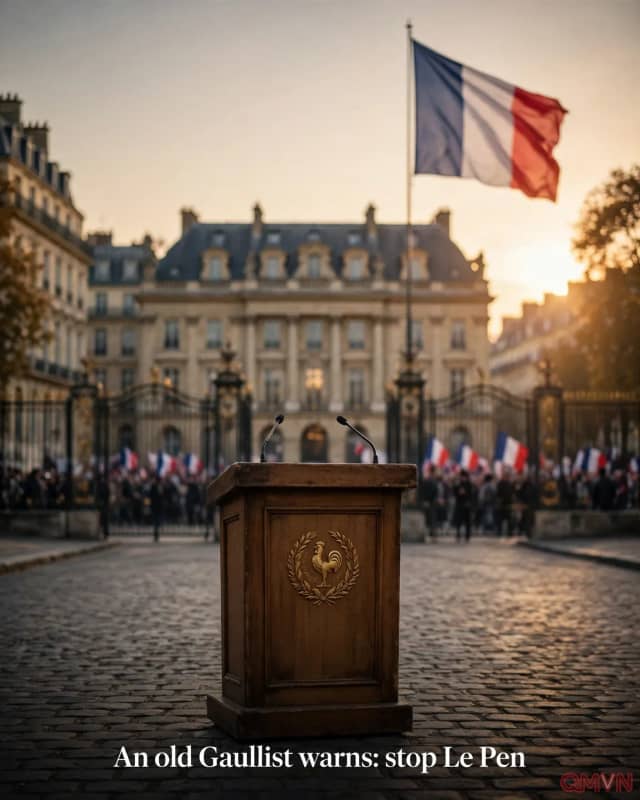
Far-right candidate Marine Le Pen, already the frontrunner for next year's presidential election, is benefiting from the unrest and the perception that authorities are struggling to keep the peace. A poll published on Sunday put her at 32% to 33.5%, well ahead of her nearest rival, hard-left leader Jean-Luc Mélenchon, on 17%. Surveys suggest she would easily defeat Mélenchon in a runoff expected in early May.
For Macron's minority government, this is a double test: it must listen to a frustrated young generation while maintaining fiscal discipline and public order. How Paris handles the coming weeks could shape France's political landscape ahead of the most important election of the decade.
Subscribe to the QMVN newsletter
A daily morning digest - only stories worth reading, no spam.