MAIN CONTENT
Rumours flourished in an information vacuum
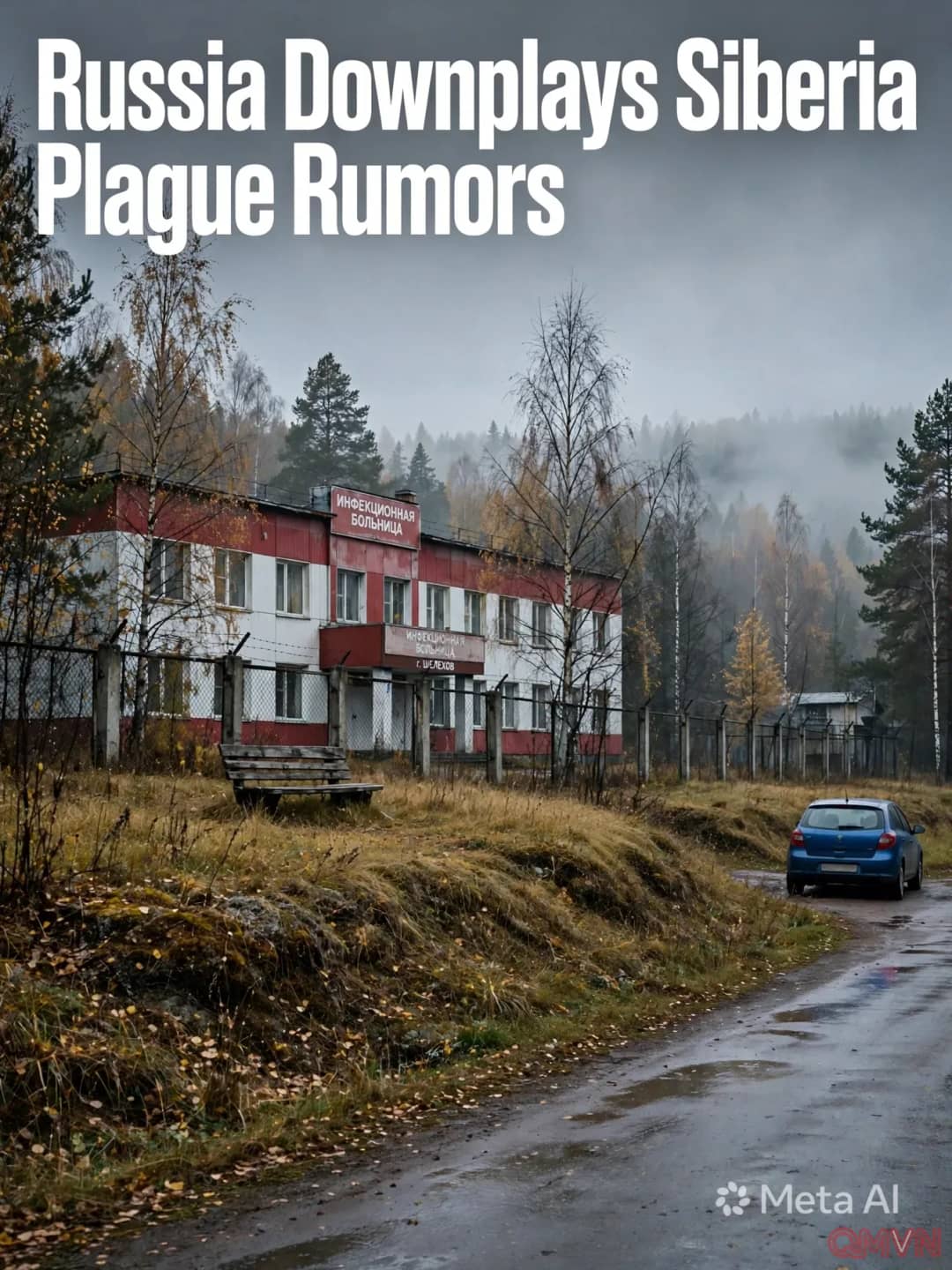
The episode began when authorities in the Irkutsk region announced an extraordinary response to a suspected “particularly dangerous infection” and said identified contacts had been placed under medical observation. In Shelekhov, a local hospital temporarily closed an inpatient section for quarantine measures. Soon afterward, local officials and media offered conflicting descriptions, ranging from a possible plague case to an unverified claim that a laboratory worker had broken a vial containing dangerous bacteria.
Reuters and AP both reported that a female laboratory employee at the Irkutsk Anti-Plague Research Institute died after developing pneumonia of unknown origin. Rospotrebnadzor, however, said tests found no pathogen connected to her professional activity and that an inspection detected no biosafety incident involving pathogenic microorganisms at the institute. Authorities also said no comparable illness had emerged among other staff members.
The gap between early alarm and later caution has helped sustain public suspicion. In an information environment shaped by memories of Soviet-era concealment of public-health emergencies, delayed, revised or deleted statements can easily be interpreted as evidence of a cover-up even when precautionary measures are standard practice.