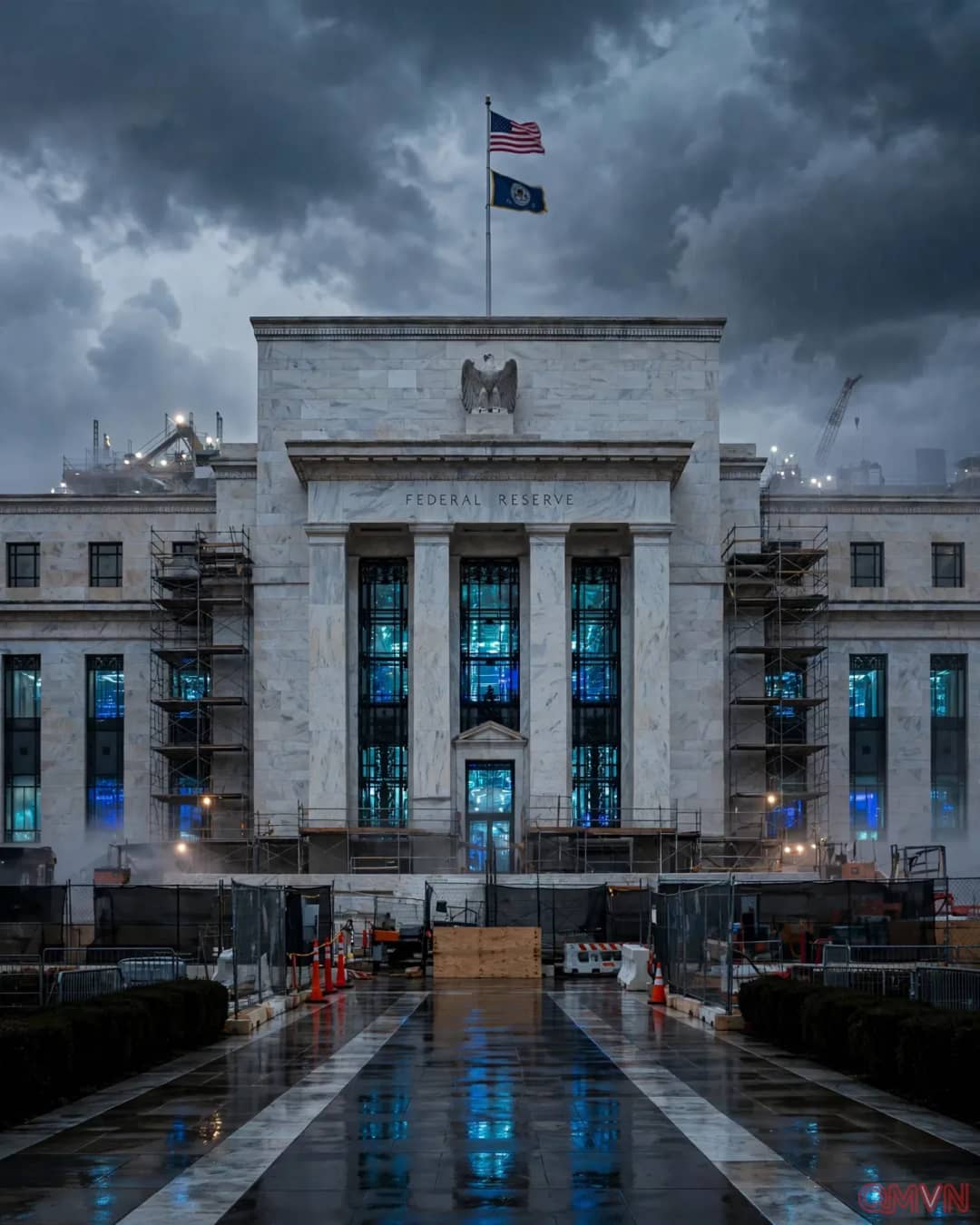
Three Central Banks, One Inflation Worry
The calendar is unusually crowded: the Fed, the Bank of Canada and the Reserve Bank of New Zealand all decide on Wednesday, the ECB follows on Thursday and the BOJ closes the sequence on Friday. According to Reuters, the three biggest central banks face no immediate pressure to raise rates again after last month’s tightening, while Canada and New Zealand are expected to hike to contain prices. Hanging over all of them is the same question: how far will high oil prices seep into broader inflation?
For the Fed, September brought its first rate increase since 2023, lifting the policy range to 3.75%–4%. Most traders now expect a hold at the October 27–28 meeting, but Warsh is famously sparing with guidance. Speaking at an International Monetary Fund event in Bangkok, Thailand, in mid-October, he described October and December as the decisive moments while declining to signal a direction.
I don’t prejudge meetings.
In Europe, the ECB is likely to be pressed on France’s surging borrowing costs, which risk becoming a new flashpoint for the euro zone. In Tokyo, the BOJ may raise its inflation forecasts in its post-meeting report – another sign that Japan’s era of cheap money is firmly receding.