A protest without a complete shutdown
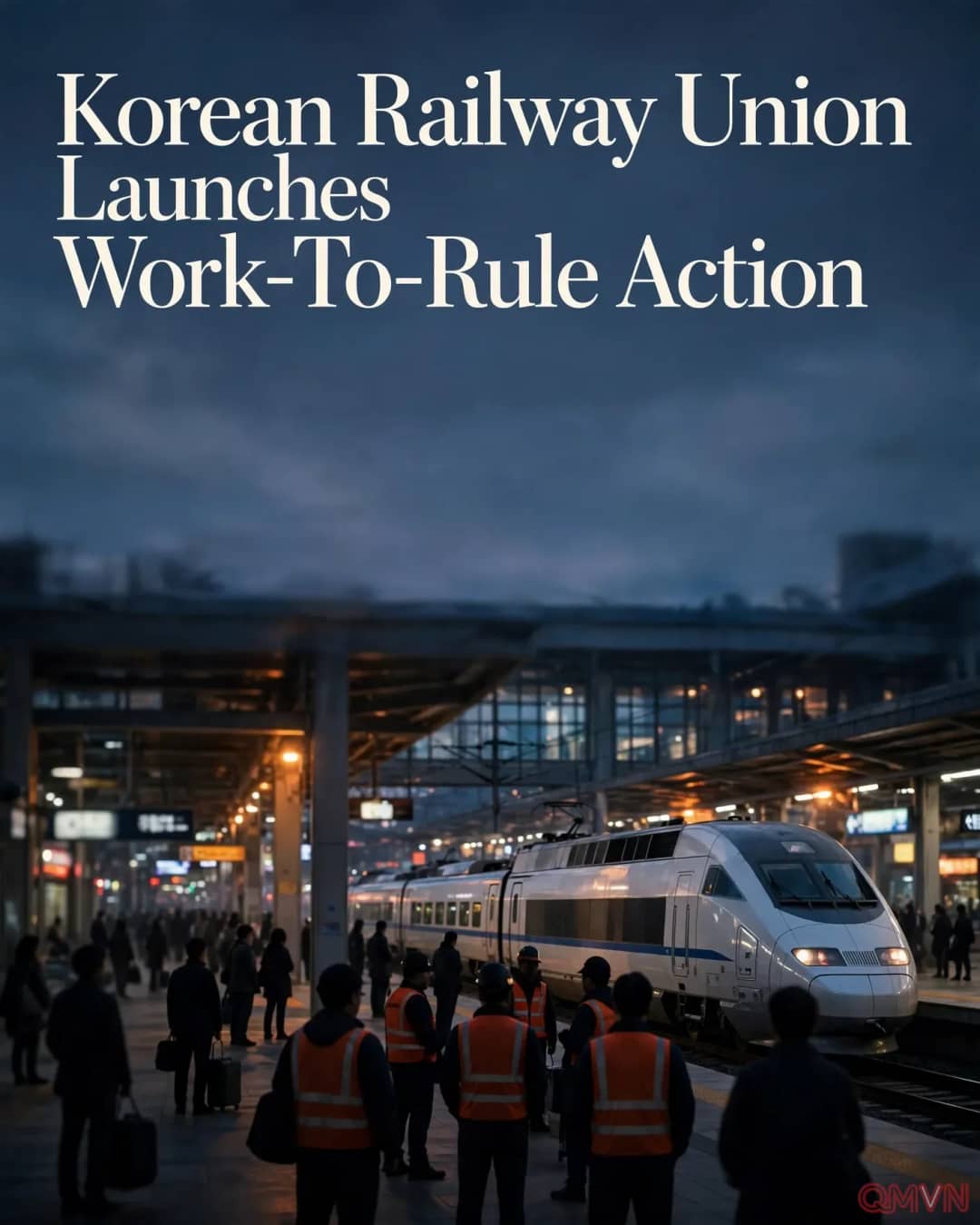
Work-to-rule action differs from a conventional strike because employees remain at their posts. Its effect comes from withdrawing discretionary effort and applying every required procedure. The union says staff have routinely sacrificed rest days and undertaken hazardous assignments alone to keep services punctual. That is the union’s account, not an independently established staffing audit.
Drivers are expected to avoid accelerating to recover lost time, while maintenance and operational personnel will follow inspection and staffing requirements closely. These measures may lengthen turnaround times and affect the availability of trains. The extent of disruption will depend on the services affected and Korail’s response.
Safety and employment conditions at the center
The union wants a more equitable promotion system, additional allowances and more safety personnel. Its campaign highlights the tension between meeting demanding timetables and providing sufficient resources for routine inspections and maintenance.
A railway’s reliability depends not only on its trains and tracks but also on the people who operate and maintain them.
The dispute does not by itself establish that every delayed service reflects inadequate staffing. Passenger demand, equipment availability and operational constraints can also influence performance. Transparent evidence about workloads, vacancies and safety risks could help negotiations move beyond competing assertions.
Korail prepares for passenger disruption
Korail says its emergency transport headquarters will coordinate available staff to limit disruption. The operator advises passengers to consult its website, Korail+ or Korail Subway Talk before leaving. Those facing important examinations, interviews or other fixed appointments should consider alternative transportation and allow additional travel time.
During the campaign, Korail will waive refund and ticket-change fees, according to The Korea Herald. Delay certificates will be available online, through its app and at stations. These arrangements may ease some consequences, although they cannot restore time lost during a delayed journey. No final count of affected trains was available in the November 25 reports.
Negotiations before December 10
The slowdown is scheduled to conclude on December 4. The union has warned that a walkout without a fixed end date could begin on December 10 if demands remain unresolved. That is a conditional announcement, not confirmation that the strike will necessarily occur.
The interval creates an opportunity for labor and management to examine staffing needs, compensation and promotion criteria. For passengers, reliable updates will be important; for both parties, the challenge is to reach a workable agreement without compromising safety or continuity of essential transport.