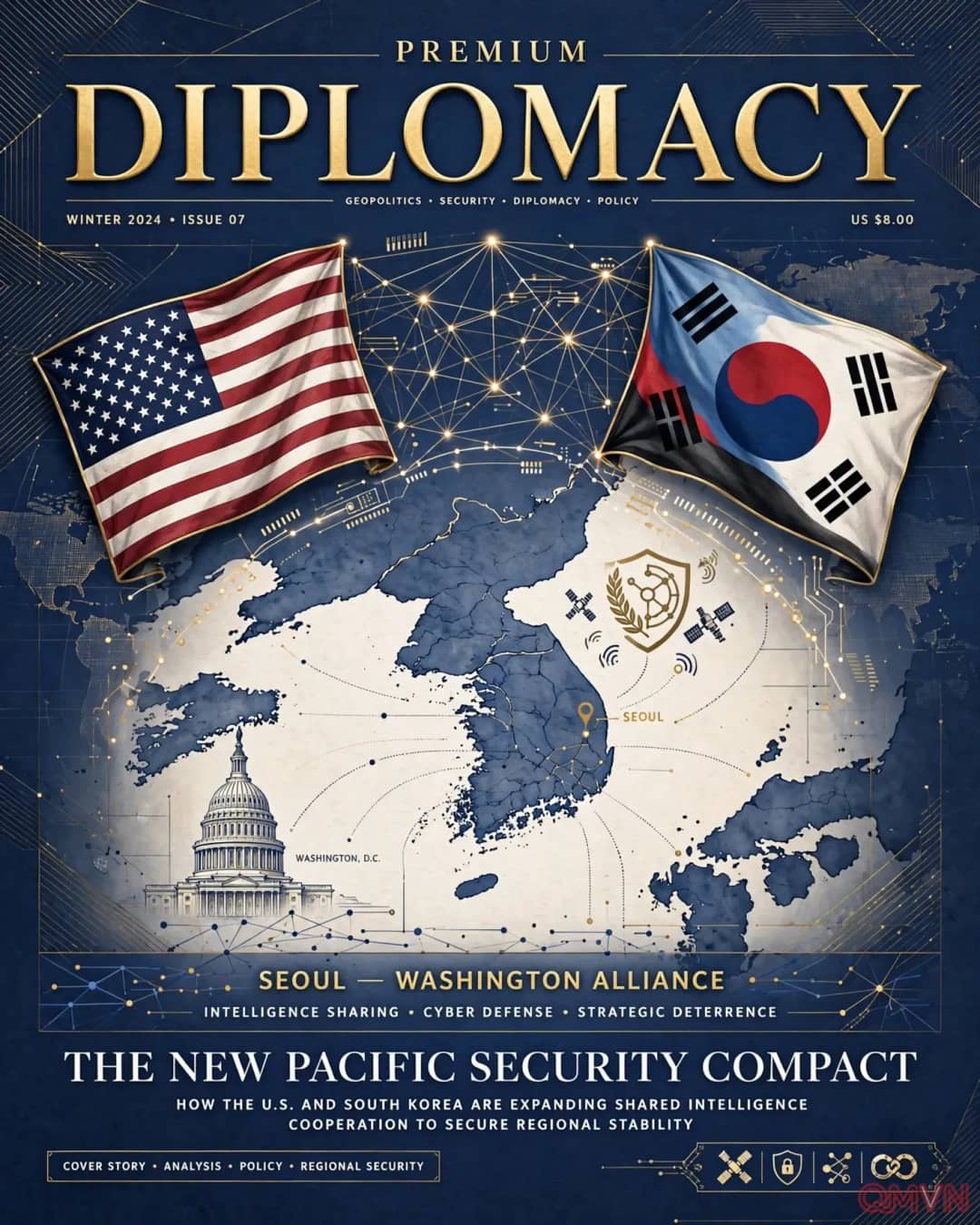
A cautious response from Washington
Responding to media questions about the nominations, a State Department spokesperson stressed the value of bilateral cooperation but did not directly assess Seoul's personnel decisions.
The United States values the importance of close cooperation in the US-ROK Alliance. We continue to advance US and mutual interests with our ally the ROK.
The spokesperson referred questions about cabinet decisions to the South Korean side. According to The Korea Herald, the response reaffirmed the commitment to the alliance but gave little indication of whether the US sees the reshuffle as signalling a policy shift.
The autonomy and alliance camps
All three nominees must go through parliamentary confirmation hearings before taking office. The reshuffle has drawn attention because it simultaneously replaces two prominent figures of the administration's “autonomy-oriented” camp.
The divide between the two camps largely centres on how Seoul should handle its relationship with Washington, especially on North Korea. The autonomy camp wants more room for Seoul to pursue its own initiatives towards Pyongyang, while the alliance camp prioritises close coordination with the US. According to The Korea Herald, replacing Chung and Lee has fuelled speculation that the administration is adjusting course.
Concerns over intelligence sharing
The reshuffle comes amid reported tensions over intelligence sharing, a pillar of the US-South Korea security partnership. In March, Chung publicly identified Kusong in North Korea as the site of a uranium enrichment facility during a National Assembly session. According to reports, his remarks raised concerns in Washington about the handling of sensitive information and led the US to restrict South Korea's access to some intelligence on North Korea.
In October, the NIS confirmed it had not taken part in a June meeting between the US and Japan on North Korean cyber threats. The NIS has nonetheless sought to reassure, stressing that cooperation with US counterparts continues in many areas and that the overall volume of intelligence received from Washington has not declined.