MAIN ARTICLE
A mountain resort with economic and symbolic ambitions
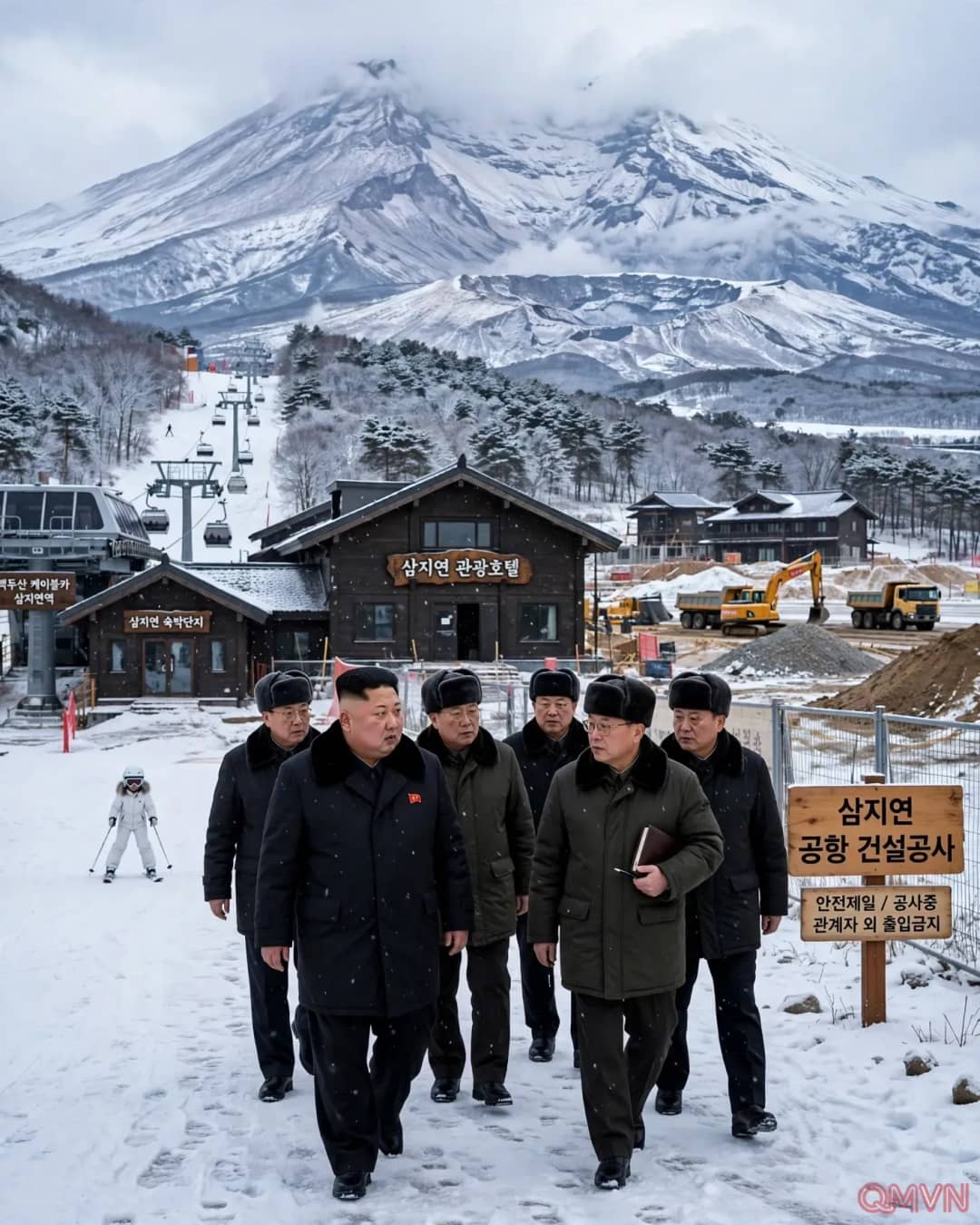
KCNA said Kim toured the reconstruction of Samjiyon airport, a tourist railway and a ski resort on November 15 and 16. He gave exceptionally favorable assessments of the new hotels, lodgings and housing and pressed for consistently high standards across remaining projects. Those judgments were reported by state media; they are not independent assessments of the facilities' quality, financial prospects or readiness for international visitors.
Kim also inspected the rebuilt cable-car station on Mount Paektu and works near Heaven Lake. KCNA said he directed that an extension to the airport runway conform to International Civil Aviation Organization standards. Such a demand reflects a practical problem familiar to remote tourism regions: scenery alone cannot sustain arrivals without reliable transport, safety procedures and basic services.
Samjiyon occupies a distinctive position near China and within the Mount Paektu landscape, which carries profound symbolic weight in North Korea's official historical narrative. Investment there therefore serves both an economic ambition and a national image. Whether it produces substantial visitor revenue is another question, contingent on travel permissions, border connections, operating costs and the country's broader openness.
Kim Ju Ae and the question of succession
KCNA photographs showed Kim Ju Ae beside her father during visits to hotels and snowy facilities; she was also pictured skiing in pale clothing. Her appearance matters because she has increasingly accompanied Kim at highly visible public events, extending beyond strictly military settings to projects associated with national development and prestige.
South Korean intelligence believes she may be being prepared for a future leadership role. That assessment, however, is not the same as a publicly announced succession decision. North Korea has disclosed no formal transfer plan, and the meaning of carefully selected official images remains open to interpretation. Responsible reporting must separate what the pictures show from predictions about what they might foreshadow.
China speculation is not an announced itinerary
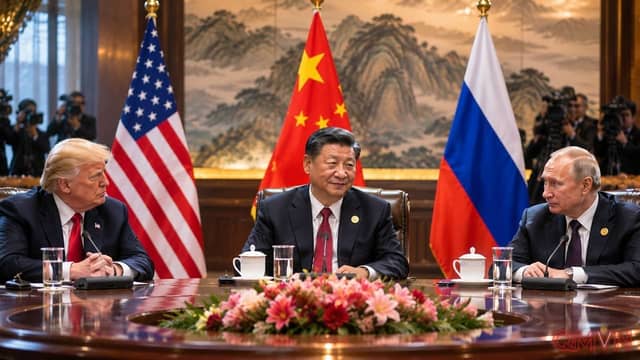
Before leaving for Asia on November 16, President Trump said he might meet Kim in China during the week. Reuters and ABC News reported that Trump suggested Chinese President Xi Jinping could influence whether the North Korean leader appeared. The comments revived hopes of possible high-level contact following years of largely stalled engagement between Washington and Pyongyang.
Kremlin spokesman Dmitry Peskov, quoted by Interfax, said Putin could likewise meet Kim if he attended events connected to the APEC summit in Shenzhen. These were conditional comments, not announcements of a visit or a scheduled summit. As of the reporting available for this article, there was no confirmed plan for Kim to travel to China or join talks with the other leaders.
Even a surprise encounter would not erase disagreements over nuclear weapons, international sanctions and security assurances. The lasting measure of any diplomatic opening would be whether governments established an enduring channel for negotiation, with defined objectives and steps that could be verified, rather than relying on photographs of a dramatic encounter.
Moscow connections and the security backdrop
Meanwhile, senior Workers' Party official Jo Yong Won met Russian President Vladimir Putin in Moscow, according to Interfax and TASS. South Korea's Unification Ministry said the North Korean delegation had been in Russia since November 14, shortly before major meetings planned in China, and that Seoul would monitor the implications of the trip.
KCNA reported that Jo criticized what he described as Washington's entrenched hostility toward Pyongyang during a Moscow forum. Russia and North Korea have deepened ties since their 2024 strategic partnership treaty. Ukrainian and South Korean assessments have also described North Korean troop and weapons support for Russia, allegations and estimates that should be attributed to the governments making them rather than treated as independently verified in every detail.
A mountain resort tour and a Kremlin meeting may seem unrelated, yet together they convey Pyongyang's competing priorities. The leadership wants to showcase construction and tourism while maintaining relationships that could shape its negotiating leverage. The unresolved question is whether diplomatic activity this week will produce meaningful changes for the Korean Peninsula, or simply another round of speculation.