MAIN CONTENT
A trophy for a voice without a conventional singer
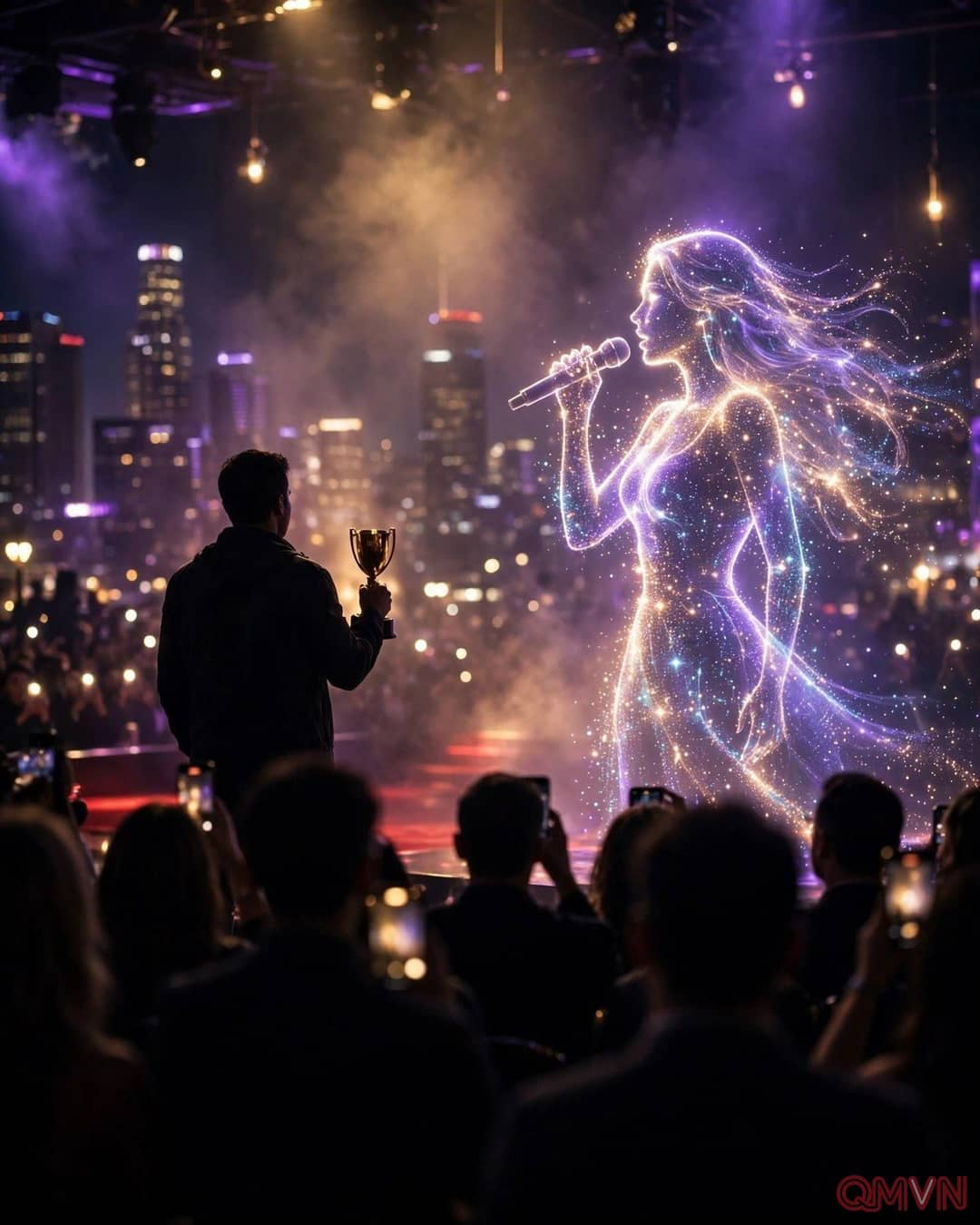
Xania Monet received the ceremony’s three headline honors, according to Reuters, but the figure at the center of the celebration was also an unusual kind of collaborator: a virtual singer whose identity was designed by a human songwriter. Jones says she supplied the lyrics and relied on AI to put them to music. The arrangement complicates a familiar assumption that a successful recording necessarily begins with a vocalist performing into a microphone.
The project had found an audience before the awards. Billboard reported that “How Was I Supposed to Know?” became the first track by an AI-powered act to debut on one of its radio airplay charts in 2025. A place on a radio ranking does not resolve whether a virtual performer should be treated like a human artist, but it shows that algorithmically assisted productions can move beyond technical demonstrations and into everyday listening.
The Los Angeles organizers made a deliberate choice to celebrate creators rather than machines. The Sonic Intelligence Academy, which develops charts and detection tools for AI music, selected winners through its AI-artist membership, Reuters reported. That makes the event an expression of a growing creative community, not a neutral judgment by the entire recording industry.