A biological archive in every strand of hair
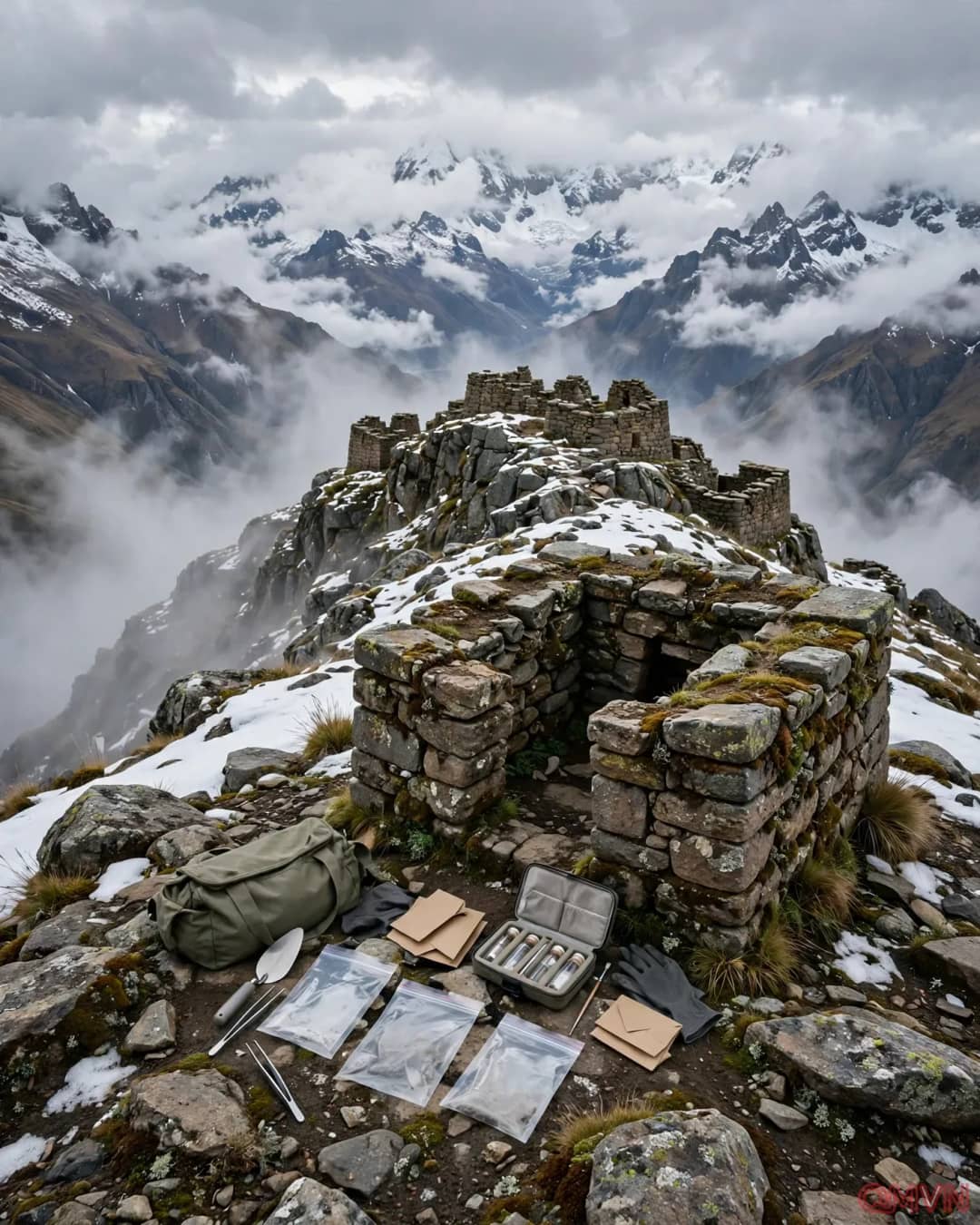
Thanks to the Andes' high altitude and dry climate, the bodies of several Inca children were naturally mummified in stone tombs or open-air shrines, allowing scientists to retrieve good-quality hair and nail samples. Advances in toxicological detection made it possible to find tiny traces that might once have been missed.
Hair can be thought of as a kind of biological archive. Substances a person takes can enter the bloodstream and become incorporated into growing hair, where traces may remain for a very long time.
The results showed traces of coca in all eight bodies, sometimes in amounts suggesting significant and repeated use in the weeks before the ritual. Two children had used alcohol and coca together, and one showed traces of harmine.
Scientific evidence in place of secondhand accounts
No European chronicler directly witnessed a capacocha ceremony. Their accounts were based on secondhand information, which makes archaeological and scientific evidence particularly valuable.