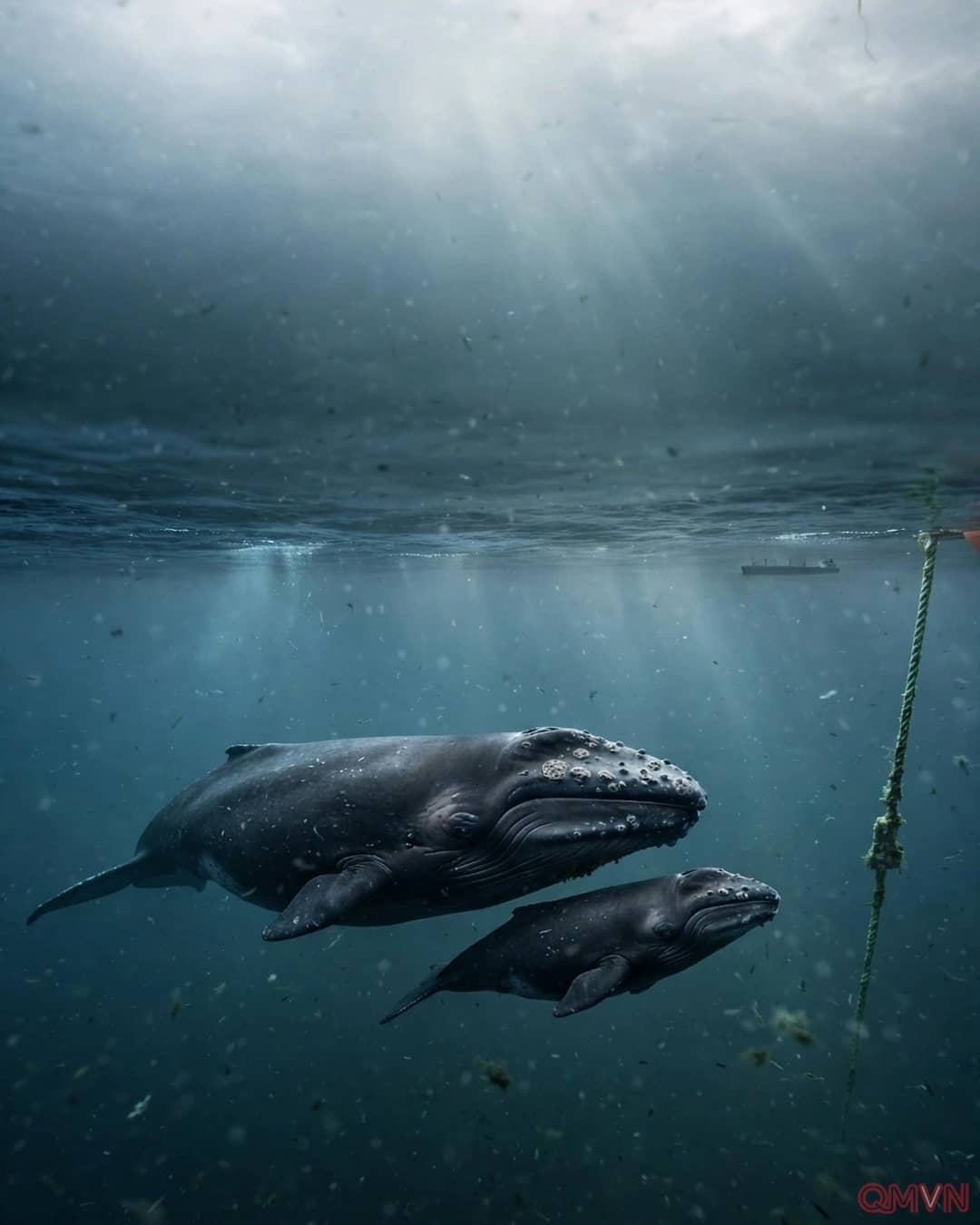
MAIN CONTENT
A small decline with a larger warning
The North Atlantic Right Whale Consortium, working with scientists from the New England Aquarium and NOAA, estimated 382 whales for 2025, compared with a recalculated 389 in 2024. Its 2025 estimate carries a margin of error of approximately eleven animals. These are statistical estimates built from long-running identification and demographic records, not a literal count of every whale at sea. A one-year change of seven animals therefore needs careful interpretation rather than alarmist certainty.
But the longer perspective explains the concern. The New England Aquarium says the estimate remains around one-fifth below a 2011 high of 483. For such a small population, even a modest setback matters, especially when the number of breeding females remains around 73. A species can produce calves in an encouraging year while still failing to offset deaths, injuries and the long intervals between successful births.
Why familiar waters have become dangerous
Right whales migrate between winter calving grounds off the southeastern United States and feeding areas off New England and eastern Canada. Their path overlaps with heavily traveled shipping lanes and working fishing grounds.