MAIN ARTICLE
When a new monument casts an old shadow
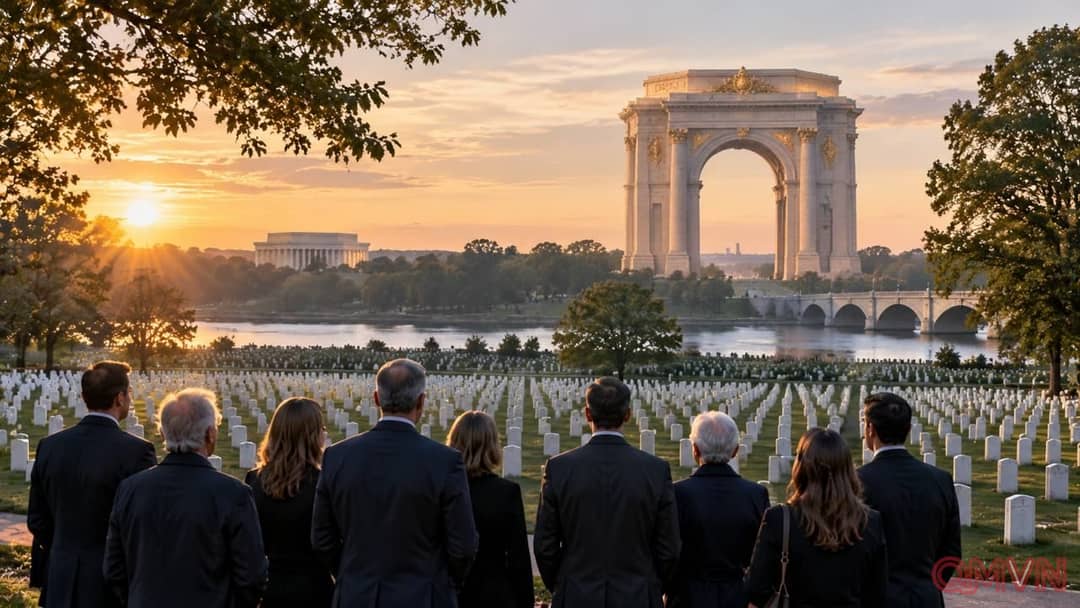
For countless Americans, Arlington is not merely a tourist destination. Rows of military headstones and the eternal flame at former President John F. Kennedy’s grave make it a place for private grief and national reflection. A soaring new arch close to that setting has therefore provoked questions that cannot be answered through architectural renderings alone. Its position, scale and possible shadows matter to visitors who come seeking quiet rather than spectacle.
According to the Associated Press, the nine applicants are children and grandchildren of Robert F. Kennedy and Edward M. Kennedy. They seek to intervene in existing litigation, arguing that the proposed arch would fundamentally change visits to their relatives’ graves. Their filing is a legal claim, not a judicial finding that a particular shadow or obstruction has already been demonstrated.
The physical impact is itself disputed. A Washington Post analysis suggested that shadows could reach Kennedy memorial areas on certain days of the year, whereas the Interior Department describes a far narrower effect. Those competing assessments make the timing of shadows, the underlying models and the preservation of sightlines essential subjects for independent scrutiny rather than settled facts.