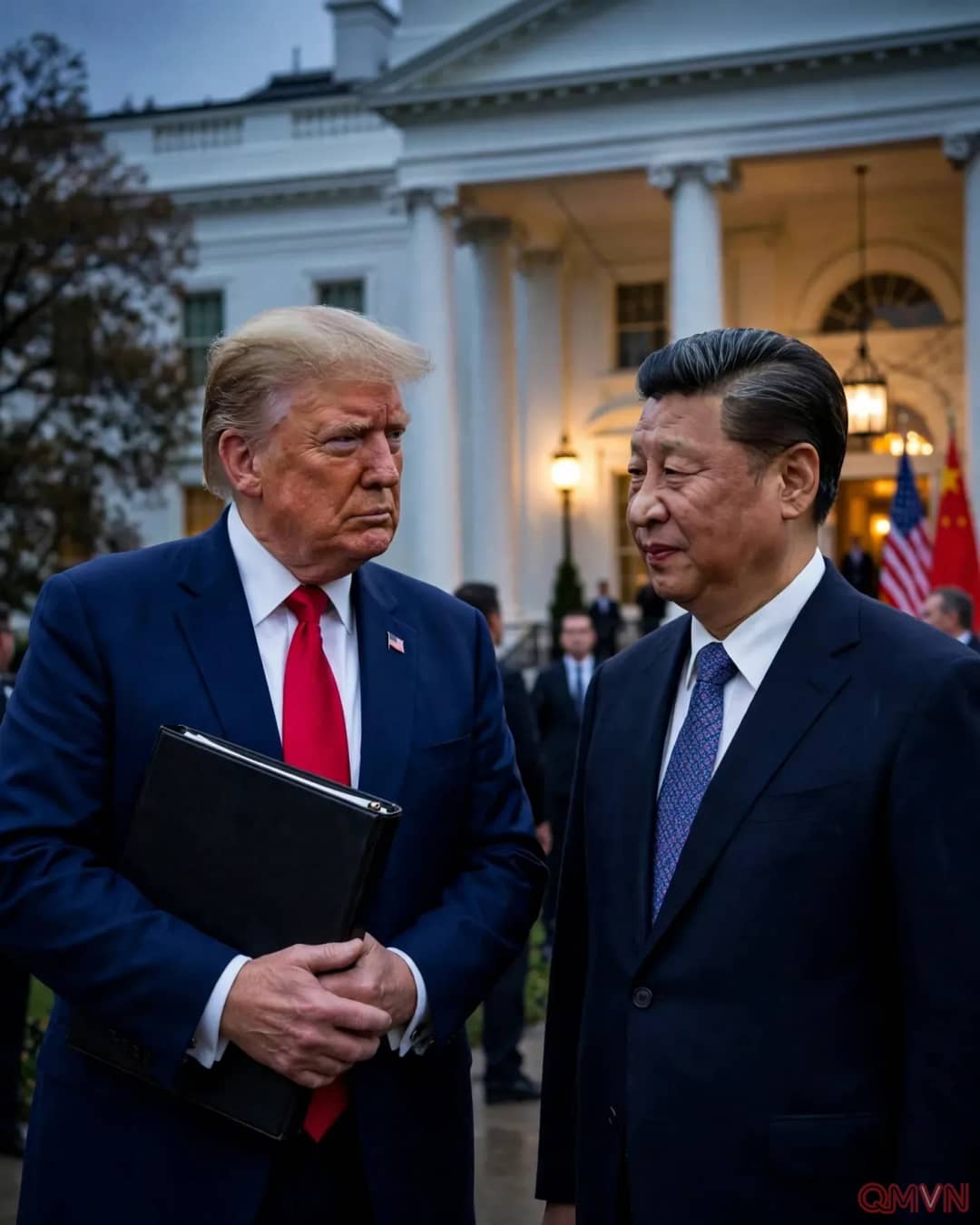
A short-term advantage for Beijing
US voters angered by rising living costs – exacerbated in part by Trump's trade wars with China and other countries – turned against his party in the Nov. 3 vote, handing Democrats control of Congress. Some analysts say the defeat will make Trump warier of unsettling the fragile trade truce with Beijing, giving China an edge in negotiations set to resume later this month.
Washington's divided political landscape also gives Beijing room to fortify itself and diversify its trade ties before a potentially less China-friendly US administration takes power. Shen Weizhong, a former Chinese Foreign Ministry official now at a Beijing think tank, said two more years of stability would already be good, since the more time China has, the better prepared it may be for a final showdown over Taiwan or another trade war.
The Chinese are very realistic that a new president might be very different.
The summits ahead
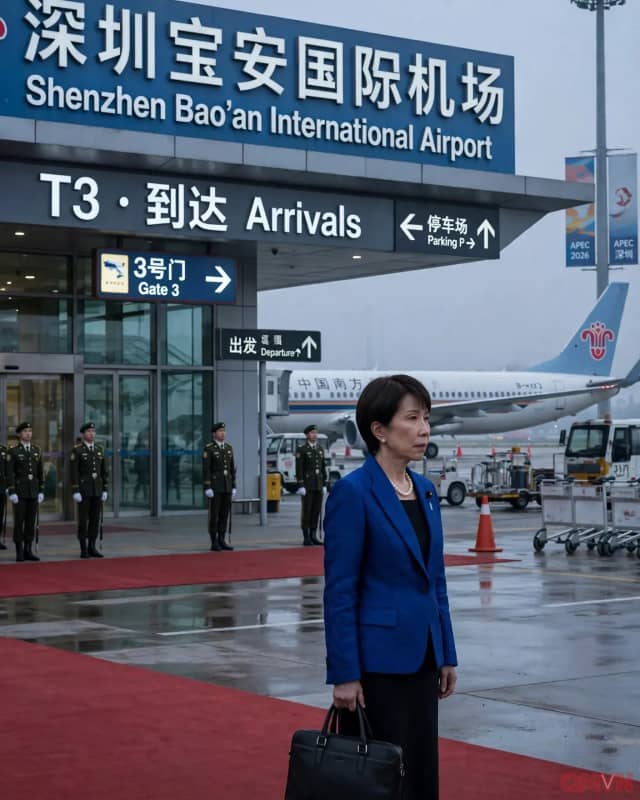
In the near term, attention turns to trade talks: Trump is set to meet Chinese President Xi Jinping on the sidelines of the APEC summit in Shenzhen later this month, and then at the G20 in Miami in December. At stake is a trade truce – expiring in January – that averted a major shock to the global economy last year.