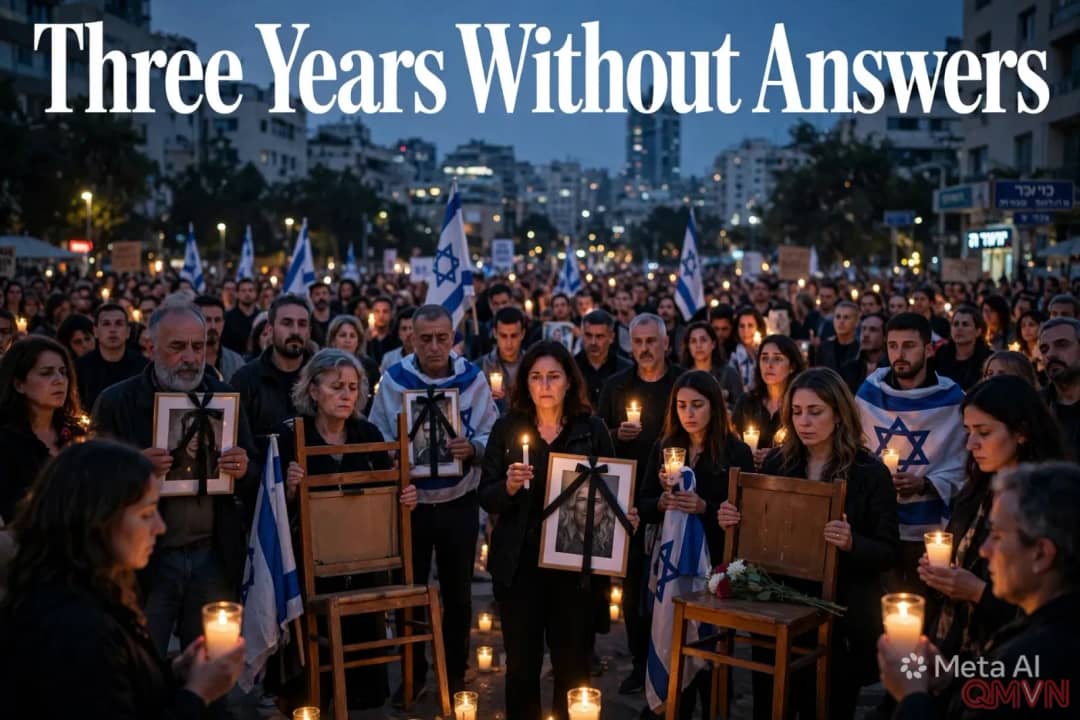
Three years without a commission
When Golda Meir announced a state inquiry into the 1973 war, she told her ministers that the matter had to be examined without being swept under the rug or turned into an internal political issue. Such a swift decision now seems almost unimaginable. In August, the attorney general told the High Court that she supported delaying a decision on a commission until a new government is formed, citing the restraint required during an election period, while warning about the damage caused by the passage of time.
“It is not only the people of Israel who need a clear, truthful answer.” — Golda Meir
Netanyahu's government argues that the public would not trust a commission appointed under the existing framework, in which the president of the Supreme Court selects its members, and has promoted a national commission with members drawn from both coalition and opposition. Its bill did not pass before the Knesset's election recess, and the government has said it will revive the proposal after the vote. Critics say such a body would be vulnerable to political influence.
A torment for the families
For many bereaved relatives, the delay is a wound reopened every day. Eyal Eshel, whose daughter Roni, an army spotter, was killed at the Nahal Oz base along with 14 other spotters, is a founding member of the October Council, which represents about 1,500 family members of Israelis killed on October 7.