MAIN BODY
When an admission letter no longer opens the door
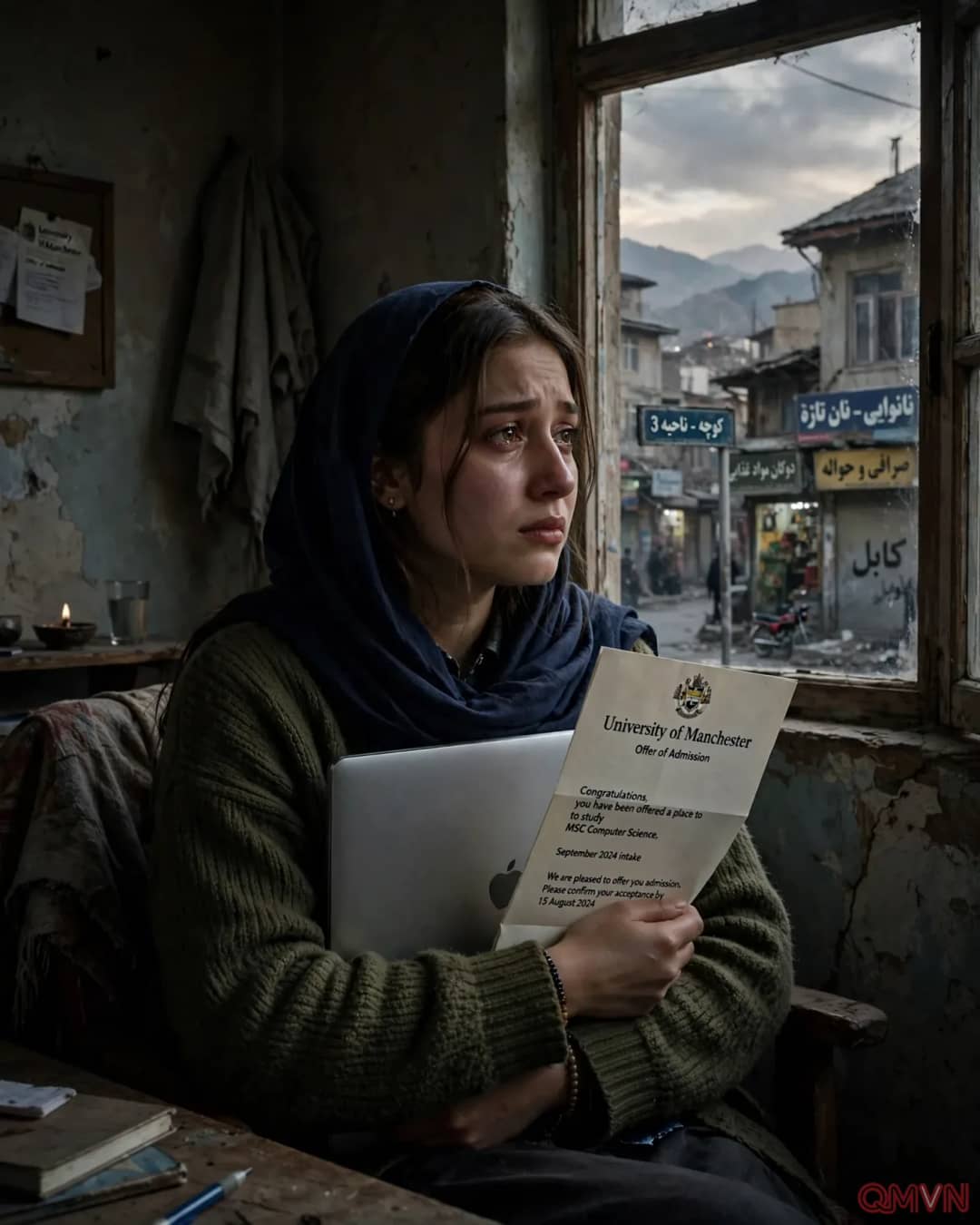
Shahira Sadat, a software engineer living in Kabul, received master's degree offers from the University of Sussex, the University of Bradford and Northeastern University London. She prepared her applications despite recurrent electricity and internet interruptions. An invitation to interview for a Chevening scholarship had made her believe that her efforts might finally pay off. Instead, the BBC reported, her Afghan nationality prevented the application from going forward.
“It was not just about education for me; it was the opportunity to resume my career and to build a future for myself.” — Shahira Sadat, speaking to the BBC.
In Herat, a woman identified by the BBC under the pseudonym Alia lost a similar opportunity to pursue digital media studies. She had previously sought English-language instruction outside the ordinary education system. Their experiences demonstrate that meeting academic standards and securing an offer are no longer sufficient to ensure that a student can actually attend university.
Britain seeks to protect immigration-system integrity
Under the Home Office announcement of March 4, 2026, and subsequent implementation guidance, the emergency restriction covers overseas Student visa applications from nationals of Afghanistan, Cameroon, Myanmar and Sudan. Afghan nationals applying from abroad through the Skilled Worker route are also affected.