Cheers and congratulations
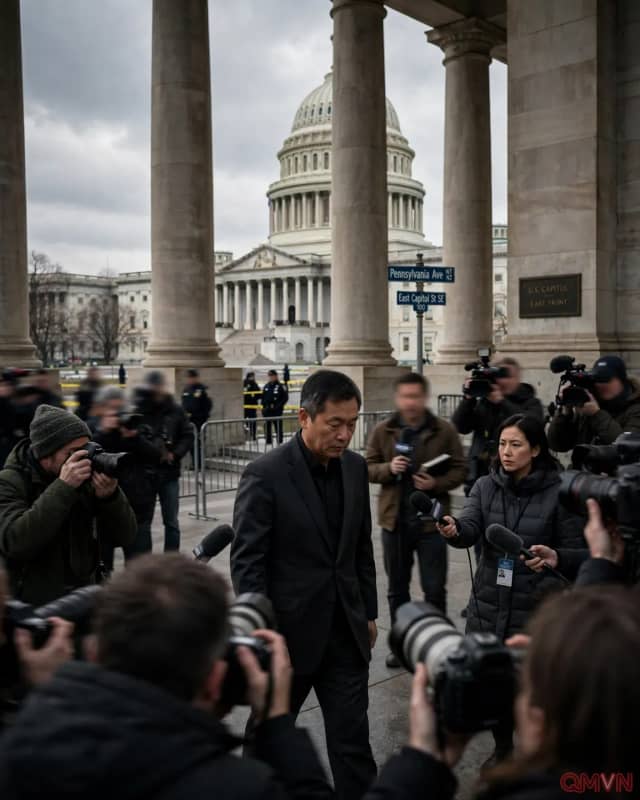
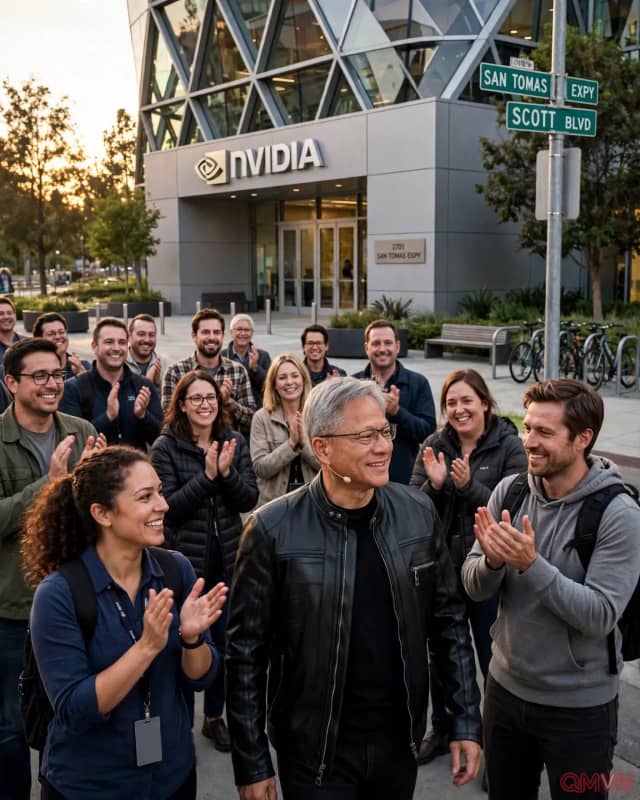
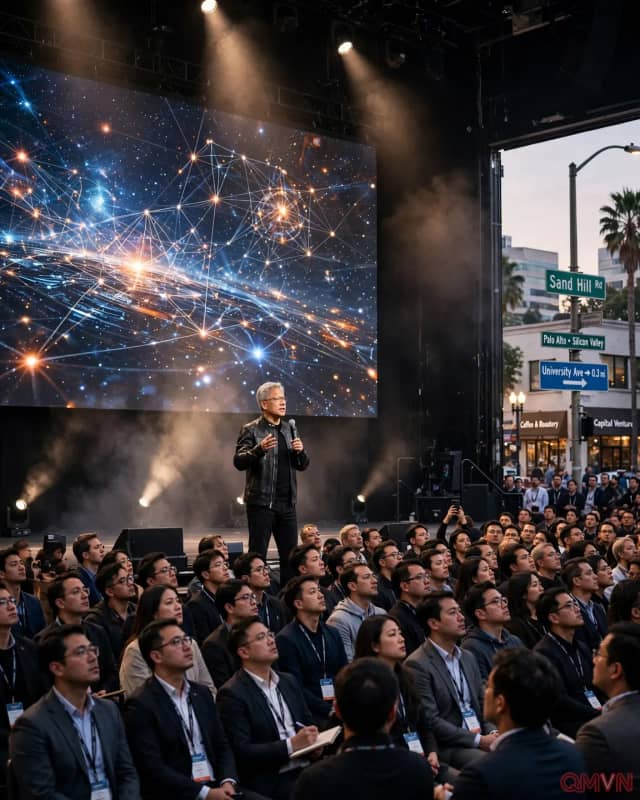
On November 23, Huang returned to Nvidia to employees chanting "Jen-sen, Jen-sen". Business leaders who backed him were quick to react: Pershing Square CEO Bill Ackman wrote that "the wisdom of the crowd prevails", Elon Musk said "the mistake has been corrected", and Sam Altman, whose own ouster from OpenAI ended in a return days later, posted an upbeat "Jensen!". Before his staff, Huang promised:
I’m going to be a better CEO the second time around.
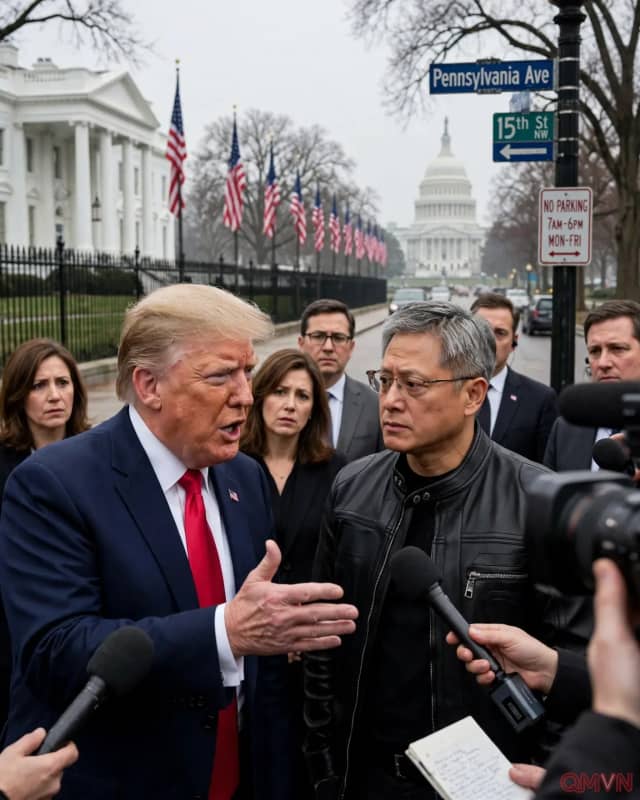
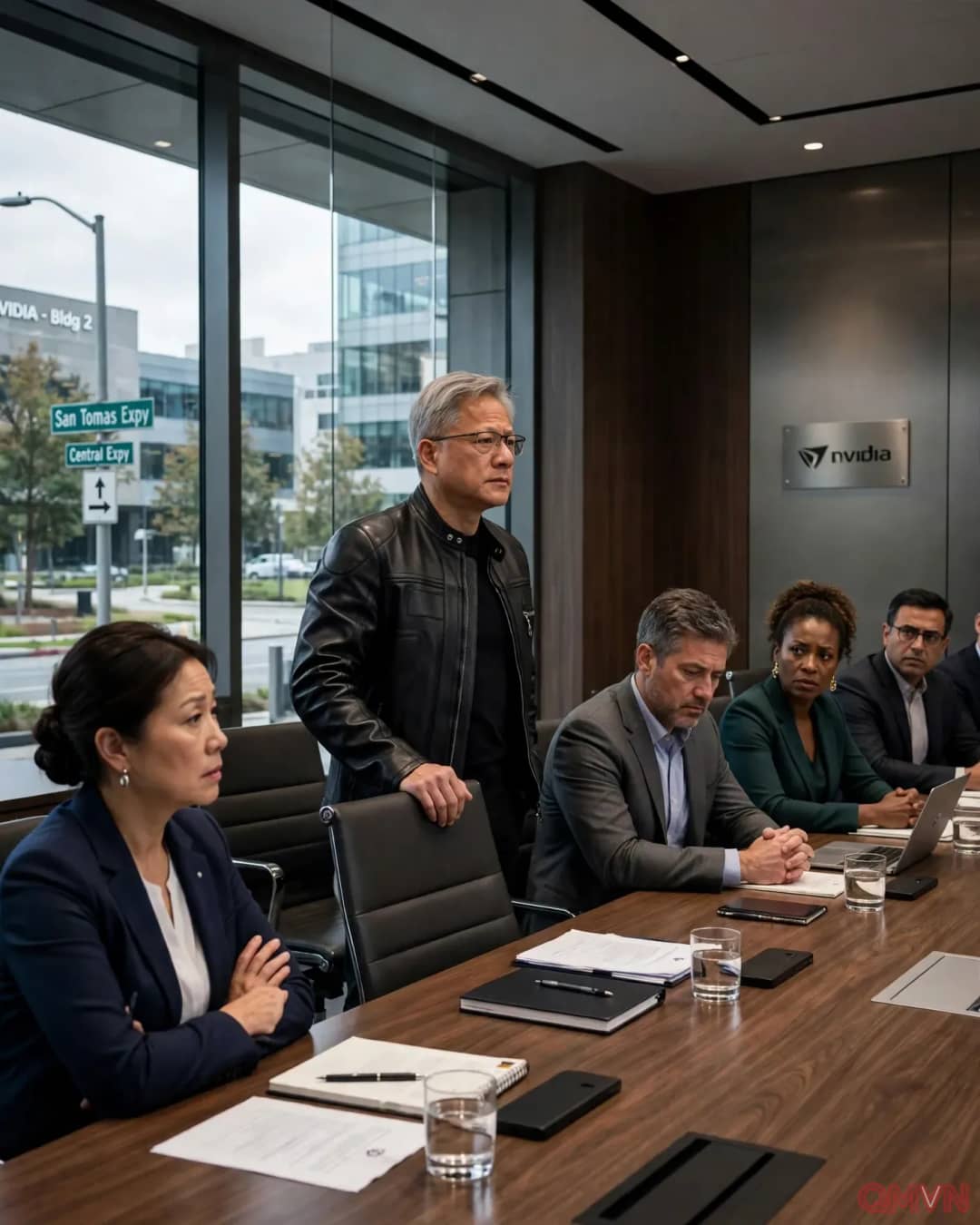
His return followed advocacy from President Donald Trump, pleas from employees and a selloff that wiped out more than $2 trillion of Nvidia’s market capitalization. But another group of executives, board members and advisers is grappling with the precedent it sets for corporate governance.
CEOs who lost their jobs over workplace romance
Admitted missteps and misconduct allegations have toppled leaders at both corporate giants and startups:
- Steve Easterbrook was fired by McDonald’s over a relationship with an employee.
- Bernard Looney left as BP’s CEO after failing to fully disclose relationships with colleagues.
- Alan Shaw lost his job as Norfolk Southern’s CEO over a relationship with an employee.
- Astronomer CEO Andy Byron resigned after being caught on the Coldplay kiss-cam with another company executive.
Huang’s case is different: he resigned after two extramarital affairs, one with a subordinate and one with a customer US officials believed was working with Chinese intelligence, yet was brought back in less than two weeks.
Silicon Valley’s "brilliant disruptor" culture
According to technology historian Margaret O’Mara of the University of Washington, Silicon Valley has long been torn between rules meant to protect workers and an entrenched image of the "brilliant, disruptive leader". She says that if the top sets a tone of tolerating certain behavior, that becomes the company’s culture, and Huang’s reinstatement may set a precedent for other boards.
Former Baxter International CEO Harry Kraemer Jr., who now teaches management at Northwestern University, said he fielded messages from former colleagues and kept returning to one question: what message is sent to every other CEO in the US? Experts say Huang’s power lay in an air of irreplaceability: dozens of direct reports, no obvious successor, a deep relationship with Trump and a company that is the cornerstone of the global AI transition.
A warning to boards
Charles Elson, founding director of the University of Delaware’s Weinberg Center for Corporate Governance, says the reinstatement makes a mockery of company policy, since one person cannot be subject to it while another is not. He asks what happens if the genius dies, falls ill or is no longer a genius, calling it really poor business management.
Irina Wolpert of the executive search firm Egon Zehnder stresses that employees watch what companies reward, tolerate and hold accountable. When a uniquely consequential leader is treated differently, the board must be clear about the principles behind the decision and how they connect to the culture it wants to sustain. Still, advisers note that each case has its own circumstances and caution against declaring a new normal.
A case study for years to come
Peter Gleason, CEO of the National Association of Corporate Directors, draws parallels with the "too big to fail" logic of 2008, since Nvidia’s stock affects not only the US market but the global economy. Even so, he stresses that board members must maintain their independence.
According to Gleason, succession planning is one of a board’s top responsibilities, and having no plan is itself a crisis. He predicts that the Huang affair will be a case study for years to come.