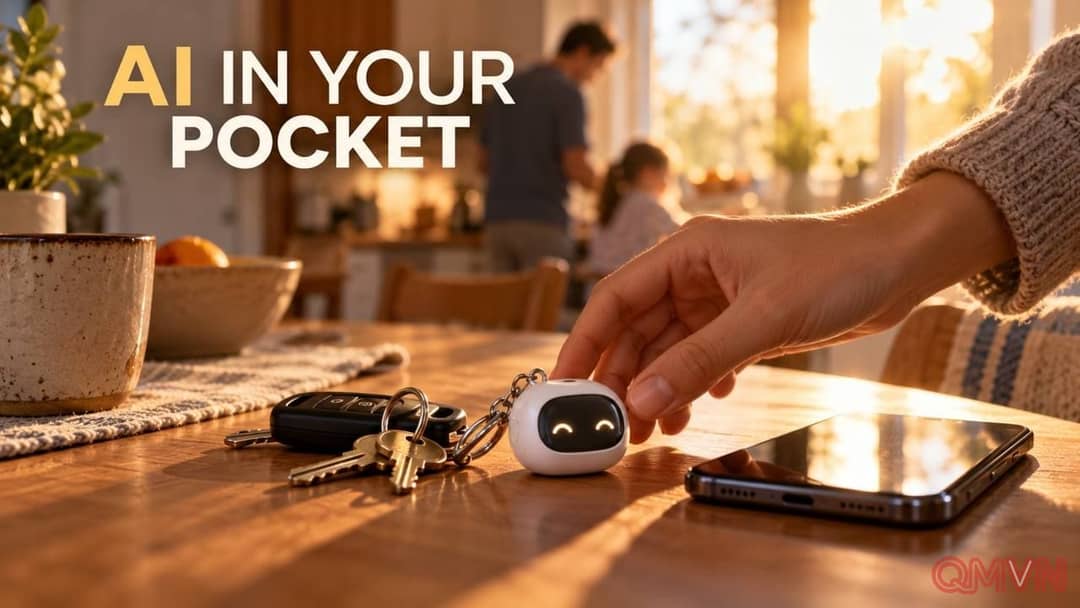
A small device with a broad ambition
The Financial Times reports that Mark Zuckerberg has unveiled a keychain-sized AI device. It follows Meta's launch of Muse in the United States through a dedicated app and WhatsApp in September. Hardware carried on a set of keys could change the way people approach digital assistance. Instead of opening an application and typing a request, a person might interact during brief moments throughout the day. The distinction between an announcement and a proven daily experience remains essential. Details about the device's operation, limits and performance in varied conditions need scrutiny once people can use it.
A keychain carries symbolism as well as technology. It sits beside the house key, an object people take along almost without thinking. Placing AI there makes an assistant seem less like software and more like a personal possession. Its real value, however, will depend on whether it saves time reliably, especially for people whose days leave little room for more complicated tools.
What Muse promises and what requires oversight
Meta says Muse can help organize calendars, manage email and pursue other everyday tasks. The company describes controls over connected services and says users must approve consequential actions. Those statements describe the provider's design and promises.