MAIN ARTICLE
Why American storefronts are attracting attention
Duke Zhen, who leads China retail services at Cushman & Wakefield, says mainland brands increasingly seek direct access to the United States. The motives extend beyond near-term sales: diversifying revenue, building international credibility, demonstrating product competitiveness and using a mature retail ecosystem. Gateway cities are conspicuous stages on which a Chinese label can test whether shoppers unfamiliar with its home market understand its proposition.
Reuters documented first US store openings by brands including Urban Revivo, Chagee, Luckin Coffee and Mixue during 2025, despite trade friction. MINISO said in October 2026 that it operated more than 400 stores in the United States and was introducing a larger MINISO LAND experience. That is a company-specific footprint, not a count of all Chinese retailers in the country; no comprehensive official tally of those entrants has been published.
The global shopfront as a brand test
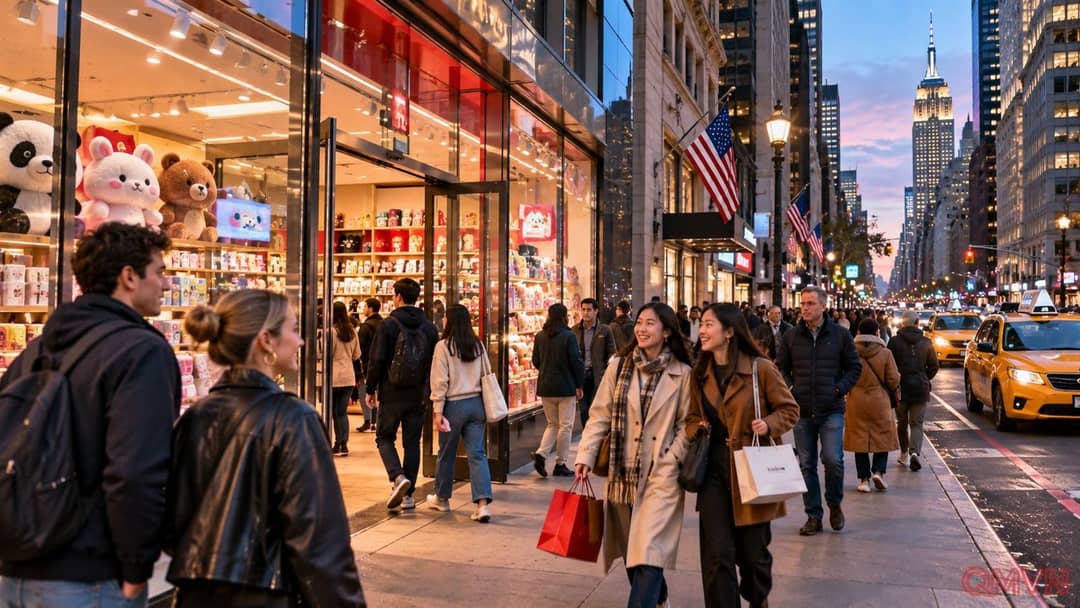
A Times Square location serves a different purpose from a suburban shop. It puts products before travelers, influencers and residents who may know little about the company’s origin.
Collectible toys, value-priced lifestyle products and trend-driven drinks have visual appeal, but online excitement alone cannot replace reliable stock, customer service or consistent quality.
The economics are demanding. A crowded shop is not necessarily a profitable one once rent, employees, marketing and import logistics are paid. Cushman & Wakefield put US shopping-center vacancy at roughly 6% in the second quarter of 2026. Scarcity can make desirable retail addresses especially valuable while also increasing the risk that an ambitious launch will fail to cover its costs.
Hong Kong retains a distinctive role
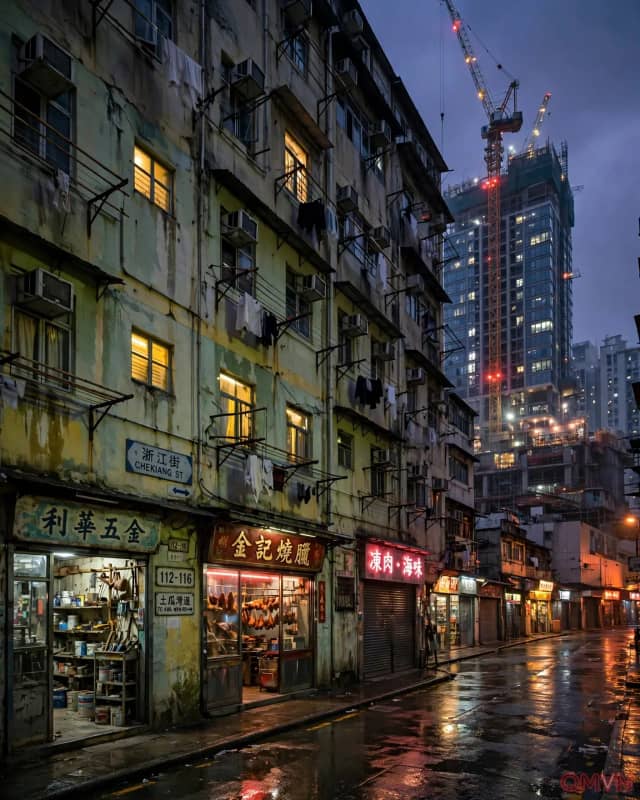
Hong Kong, meanwhile, remains a familiar testing ground for mainland businesses. Geographic proximity, international visitors and developed shopping districts offer exposure to overseas tastes without the full expense of an American rollout. Cushman & Wakefield reported in October that recovering visitor arrivals and resilient local consumption continued to support the city’s retail market, although rents and softer consumer spending remain challenges.
SCMP, citing the consultancy, reported mainland names accounted for 36% of brands newly entering Hong Kong in the first nine months of 2026, down from 38% during 2025. A two-percentage-point change does not, by itself, establish an exodus. The share can fall because entrants from elsewhere increase, openings shift between years or firms choose different store formats. Absolute opening counts, closures and store sales would be needed for a firmer verdict.
Growth ambitions meet commercial realities
Expanding into America involves far more than leasing a shop and shipping inventory. Tariffs, product labeling, safety compliance, currency fluctuations and local tastes shape the business model. Companies also face a decision between operating stores themselves, signing franchise agreements or partnering with distributors. Each route trades speed against control of the customer experience.
The stronger approach may be to treat Hong Kong as a regional laboratory and the United States as a broader international proving ground, rather than regarding them as mutually exclusive choices. A launch attracts attention, but repeat purchases create resilience. The crucial test will arrive when the novelty fades and shoppers decide whether the brand deserves a regular place in their lives.