MAIN ARTICLE
The door that opened in 1870
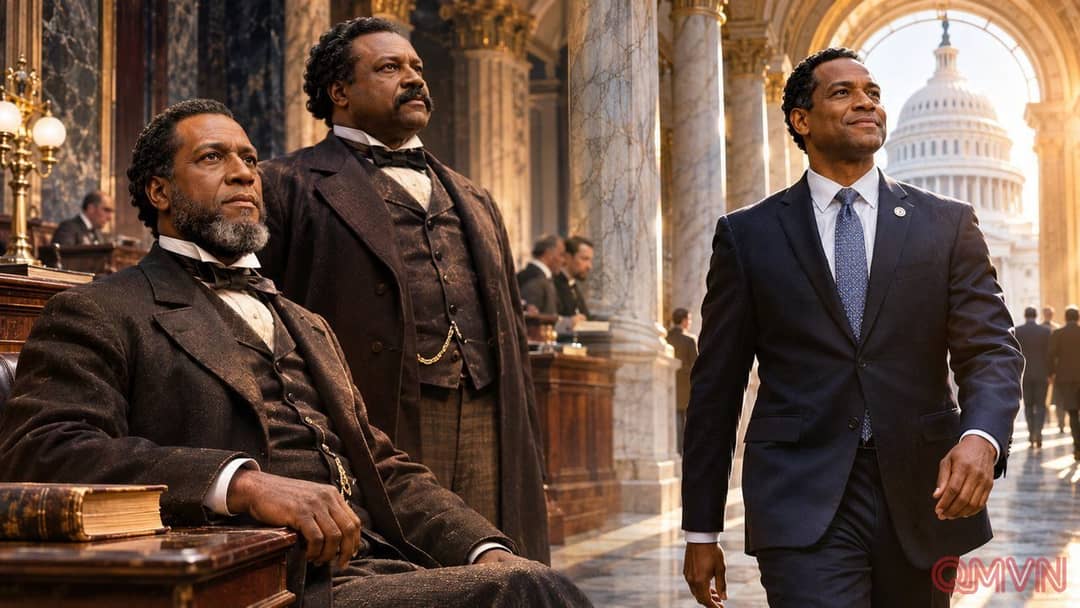
On February 25, 1870, Hiram Revels took the oath as a United States senator just two days after Mississippi was readmitted to the Union. He was the first Black person seated in the chamber. Born free in North Carolina, Revels had worked as a minister and served as a chaplain to Union troops. He was selected by Mississippi’s legislature, as senators generally were before popular elections became the constitutional rule. His arrival represented an extraordinary reversal for a former slaveholding state.
Yet the promise of Reconstruction was contested from the beginning. The Fifteenth Amendment, ratified on February 3, 1870, barred voting restrictions based on race, color or previous servitude, but it did not remove every obstacle to participation. Revels challenged measures that could prevent Black citizens from holding office and spoke for education and civil equality. His brief service was a declaration that the Senate could no longer be understood solely through the political exclusions of the past.
Blanche K. Bruce and democracy under pressure
Blanche K. Bruce was born enslaved in Virginia and escaped bondage during the Civil War. He later built a public career in Mississippi and was chosen by the legislature in 1874 to serve the term beginning in 1875.