MAIN CONTENT
Trade agreements become the practical test
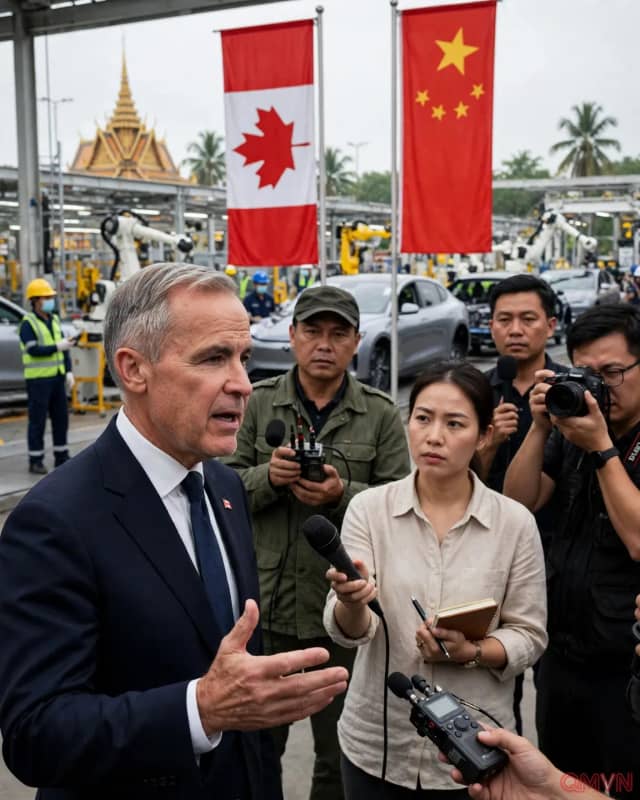
At the ASEAN summit in Manila, Carney offered the most tangible evidence yet of Ottawa's diversification campaign. Canada and the Philippines completed negotiations on a bilateral free-trade agreement, while Canada and ASEAN substantially concluded their wider agreement. Both still require legal and political follow-through before businesses can claim new rights under them; Ottawa aims for signatures in 2027. Those distinctions matter: a negotiating breakthrough is not the same as an agreement already in force.
The Canadian government estimates that the ASEAN agreement, once implemented, could add nearly C$2 billion to national output and support almost 14,000 jobs. These are projections, not guaranteed gains. For exporters of agricultural goods, timber and manufactured products, the promise is wider access and more predictable rules. For Southeast Asian partners, Canada offers energy, food products, technology and additional choice among suppliers.
An official Canadian release valued merchandise trade with ASEAN at C$52.5 billion in 2025. The number illustrates that the relationship is not starting from zero. But the practical challenge remains considerable: businesses must navigate distribution networks, regulation, logistics and competition, while governments complete the technical work needed for the trade agreements to take effect.