MAIN CONTENT
A resignation at the intersection of technology and public trust
Choi acknowledged that changes introduced shortly before the national examination had caused inconvenience and that the ministry had failed to prepare adequately. The presidential office said Lee accepted his departure about an hour after it was offered. The decision shifted the immediate task from defending the former minister to managing unresolved cases, communicating rules and preparing a stable transition in education leadership.
The controversy is not simply about whether dishonest candidates should be caught. Few dispute that examination authorities must protect honest students. The argument concerns timing, proportionality and clarity: a measure that could be effective in principle can still damage confidence if test-takers hear about it at the last minute and supervisors receive insufficient preparation.
How the anti-cheating measures reshaped exam day
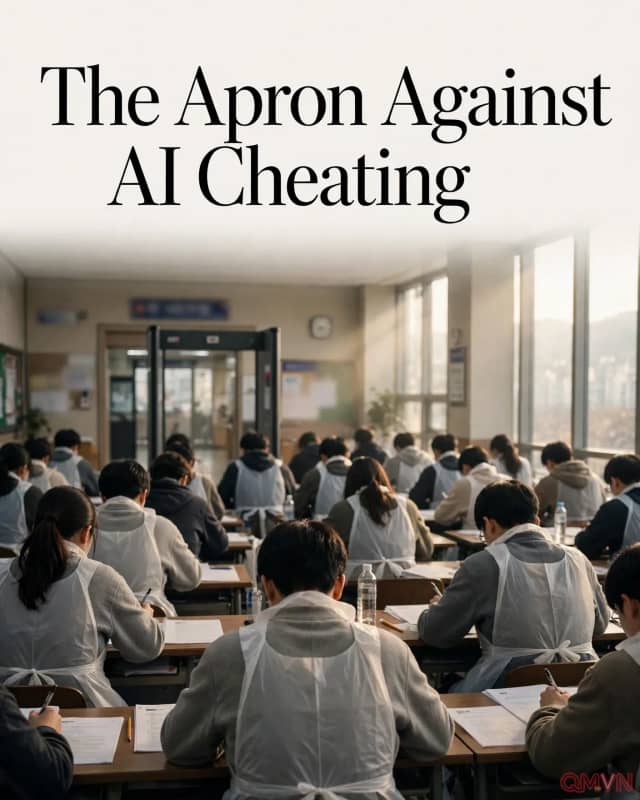
Officials tightened restrictions on smart devices as miniature cameras, wireless earpieces and AI services raised fears that questions could be transmitted outside examination halls and answers returned discreetly. Yonhap reported measures ranging from limits on items permitted in examination rooms to stickers covering clothing buttons that might conceal cameras.
Three emergency mobile alerts were also sent in an effort to locate unsubmitted phones.
Authorities said 111 test-takers were caught possessing or using electronic devices, including a reported smart-glasses case and another involving a miniature camera and wireless earphones. These are reported device-related cases, not a verified tally of AI-generated answers. Distinguishing suspected violations from established wrongdoing matters because penalties can affect educational prospects long after the examination itself.
A December decision and the question of proportionate punishment
The education ministry's misconduct committee is reviewing the cases before scores are released on December 11. The government and ruling Democratic Party of Korea have floated extending an exclusion from future tests for AI-assisted cheating to ten years, possibly covering this examination. These remain proposals rather than an enacted, uniformly applied penalty, and any retroactive measure would raise particularly difficult questions about legal certainty and procedural fairness.
A credible process requires consistent evidence, a chance for affected candidates to respond, and a clear distinction between accidentally retaining a prohibited device and deliberately operating a covert cheating system. Schools and parents also need timely guidance about what happens next. Strong sanctions alone cannot substitute for practical supervision, well-trained invigilators and rules published before students enter the exam hall.
Why South Korea’s exam system faces an AI-era test
The Suneung has unusual social weight in South Korea. University admissions can shape career prospects and family decisions, making even small procedural changes consequential. This year, concern accelerated after a top performer in a separate tax accountant qualification examination reportedly acknowledged using a miniature camera, a phone and generative AI to cheat. That episode helped turn a technological possibility into an urgent policy problem.
Yet the crisis highlights the limits of reactive policing. Connected devices are smaller and software is changing faster than many examination protocols. Durable safeguards may include rehearsed security checks, secure device surrender, transparent communications and independent review of contested cases. They must also respect students' privacy and avoid treating every test-taker as a suspected offender. The minister's exit settles a political question; it does not resolve the underlying design challenge.