MAIN CONTENT
A ruling becomes the trigger for a constitutional confrontation
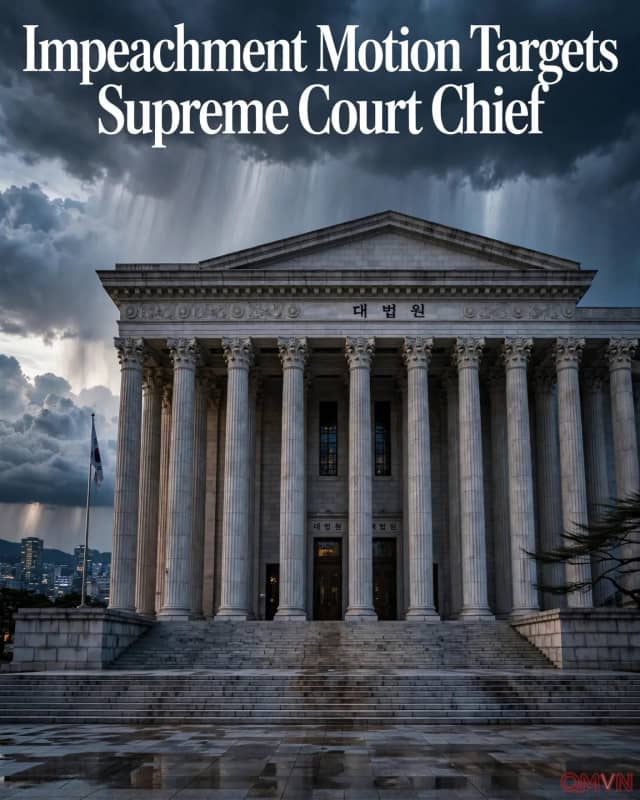
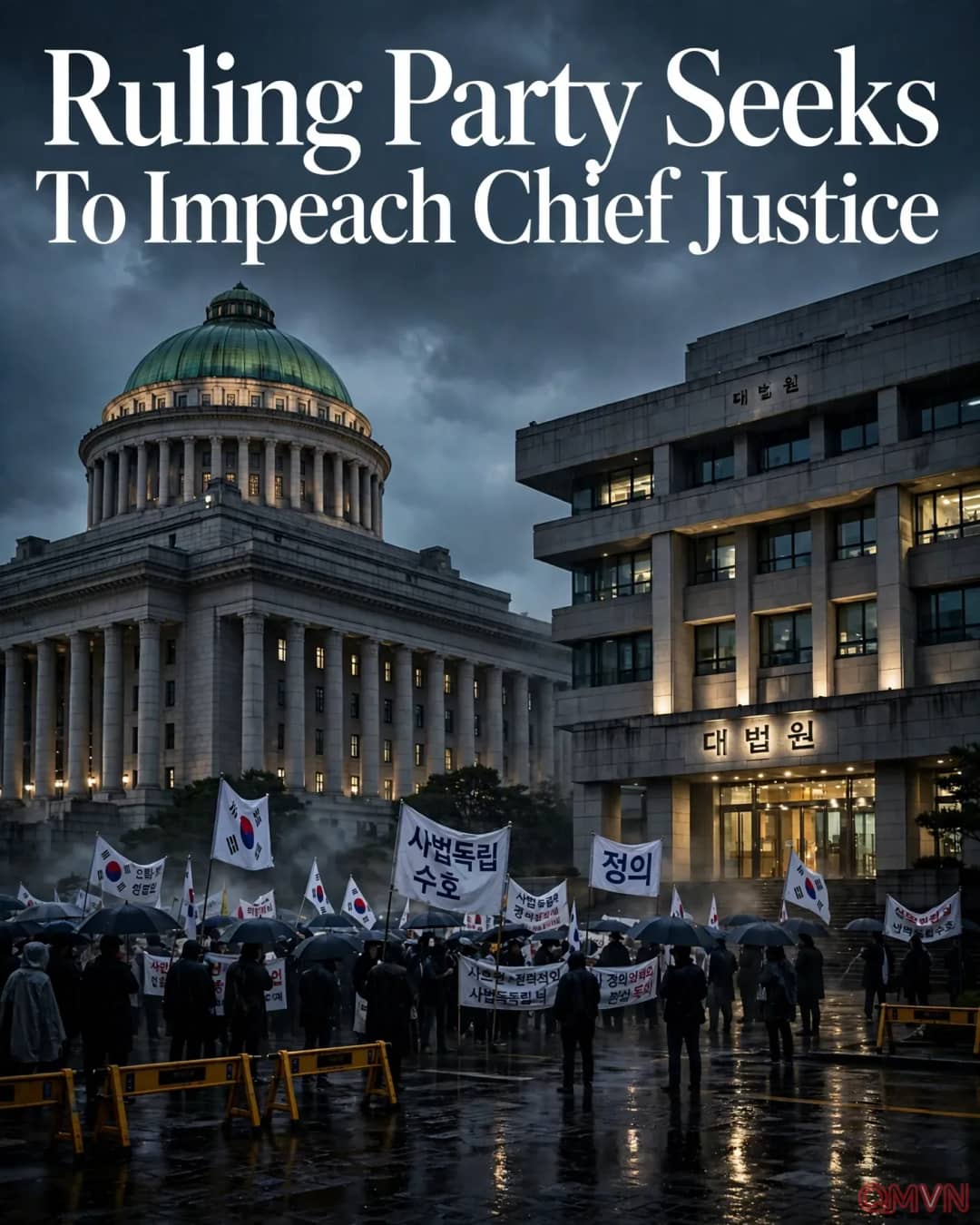
The Democratic Party made pursuit of Jo’s impeachment its official position on November 20, a day after the Supreme Court partly overturned a 15-year sentence imposed on former Prime Minister Han Duck-soo in litigation arising from the December 2024 martial-law crisis. The high court rejected one conclusion about Han’s role in arranging a Cabinet meeting before the emergency declaration, while preserving other findings and returning the case for further review. The decision immediately widened a dispute already shaped by competing interpretations of institutional responsibility during the crisis.
At a briefing in Seoul on November 22, task force chief Yang Bu-nam said his party hoped to finish the proposal and bring it to a vote by December. He asserted that the issue was not simply disagreement with the substance of the Han ruling, but alleged flaws in the court’s procedures and other conduct that, in his view, could violate constitutional or legal duties. Those are allegations advanced by the party, not findings established by an independent tribunal.
The impeachment rules are clear, but the political consequences are not
South Korea’s Constitution permits impeachment proceedings against senior judges for violations of the Constitution or law in the performance of official duties. At least one-third of National Assembly members must propose a motion and a majority must approve it.
With 161 of the 299 parliamentary seats cited in the current reporting, the Democratic Party has enough votes to clear that legislative stage without support from the opposition, assuming its lawmakers vote together.
Approval would suspend Jo’s exercise of official powers while the Constitutional Court examines the case. A final removal requires agreement from at least six constitutional justices, a considerably higher threshold than a parliamentary vote alone. The court’s statutory 180-day deliberation period is not a firm guarantee of a decision before Jo’s term ends in June 2027. This distinction matters: starting an impeachment is a political and constitutional step, but it is not proof of misconduct or a final dismissal.
Opposition resistance and concerns within the governing camp
The opposition People Power Party says the initiative uses dissatisfaction with a court judgment as a pretext for influencing judicial decisions. Its spokesperson Choi Bo-yoon warned that impeachment should not become a way to reverse unwanted rulings and that suspending the head of the Supreme Court amid vacancies could burden people awaiting their day in court. Seoul Mayor Oh Se-hoon similarly criticized the proposal. Such objections focus on the separation of powers rather than on defending every aspect of the ruling itself.
Reservations have also emerged within the governing party. Lawmaker Kwak Sang-eon cautioned against removing a chief justice merely because political leaders disagree with a judgment. Supporters of an inquiry, meanwhile, say judicial independence does not eliminate accountability for demonstrable procedural breaches. Whether credible evidence can distinguish the two positions is central to the legitimacy of any eventual motion.
A separate investigation deepens the institutional standoff
The confrontation unfolds alongside a new special-counsel law authorizing examination of alleged manipulation of investigations and indictments under former President Yoon Suk Yeol. Some cases covered by that law concern Lee Jae Myung from before his presidency. Critics have questioned provisions allowing the president to appoint a special counsel from party-recommended candidates, warning of possible conflicts of interest; supporters maintain allegations of prosecutorial misconduct warrant scrutiny.
The governing party and Rebuilding Korea Party have been seeking candidates while the People Power Party has declined to nominate one. This parallel dispute makes it harder to separate arguments about legal procedure from concerns about political advantage. For South Koreans, the practical stakes extend beyond the personalities involved: courts and prosecutors must be seen to enforce the law without selective protection, while elected representatives must be able to investigate genuine abuses without appearing to dictate verdicts.