MAIN CONTENT
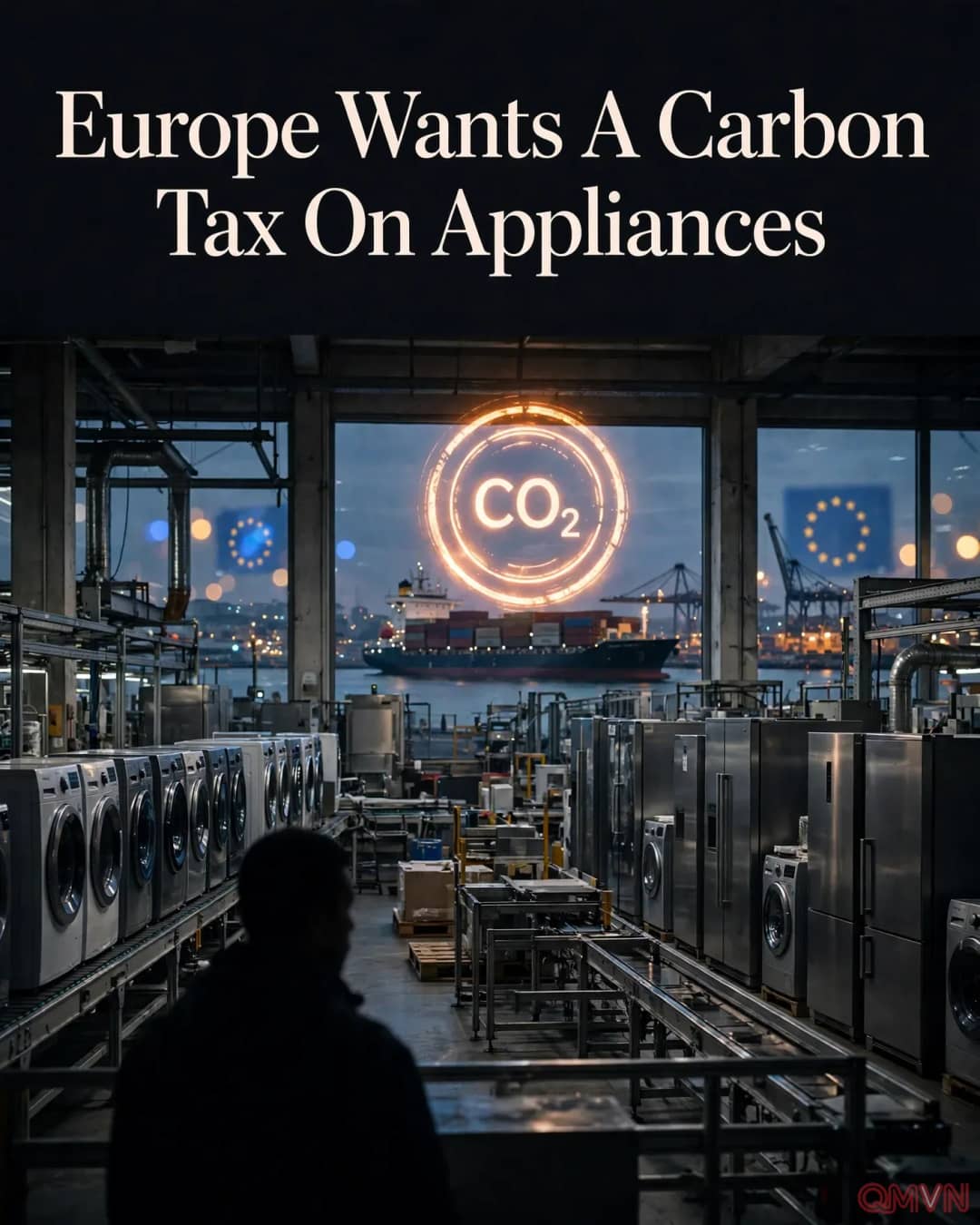
European appliance makers push to expand carbon border levies to finished goods
On Wednesday, November 18, 2026, ahead of a December 3 meeting of European Union competitiveness ministers, industry association APPLiA urged the European Commission and member states to adopt an action plan by 2027 to close carbon cost gaps with imports. Figures submitted by six member governments show Asian-made appliances reached 28.2 percent of the European market in 2024 — up from 15.3 percent a decade earlier — while Europe's locally manufactured share declined from over 80 percent to 71 percent with more than 20,000 manufacturing jobs lost in five years.
European manufacturers note that steel bought to build a washing machine inside Europe carries carbon costs whereas a finished machine imported from outside the bloc avoids equivalent charges; following the European Commission's December 2025 proposal to extend the Carbon Border Adjustment Mechanism (CBAM) to selected finished appliances including washing machines, refrigerators, and dryers in 2028, APPLiA seeks to add dishwashers, ovens, and freezers alongside stricter customs checks.
Uneven exposure for Samsung and LG and trade concerns from South Korea
For South Korean appliance makers Samsung Electronics and LG Electronics, future selling costs in Europe will depend heavily on where each product line is manufactured:
Both companies operate factories in Poland, a European Union member state, meaning appliances built there would avoid levies on imported finished goods while shipments from plants outside the bloc could incur added costs.
Samsung produces refrigerators and washing machines in Wronki, Poland, having expanded the facility in 2023 to boost local European output.
LG produces washing machines near Wroclaw, Poland, but ended refrigerator manufacturing there in late 2025 under a restructuring plan expected to affect about 180 workers, leaving imported refrigerators more exposed.
APPLiA's demands carry support from six European Union governments — including France and Germany, which jointly proposed an appliance action plan in September — while South Korea raised concerns at an October 21 trade meeting, asking Brussels to limit CBAM expansion and grant exporters sufficient compliance time, though which exact appliances will face charges remains undecided.