MAIN CONTENT
A reversal after years of falling donations
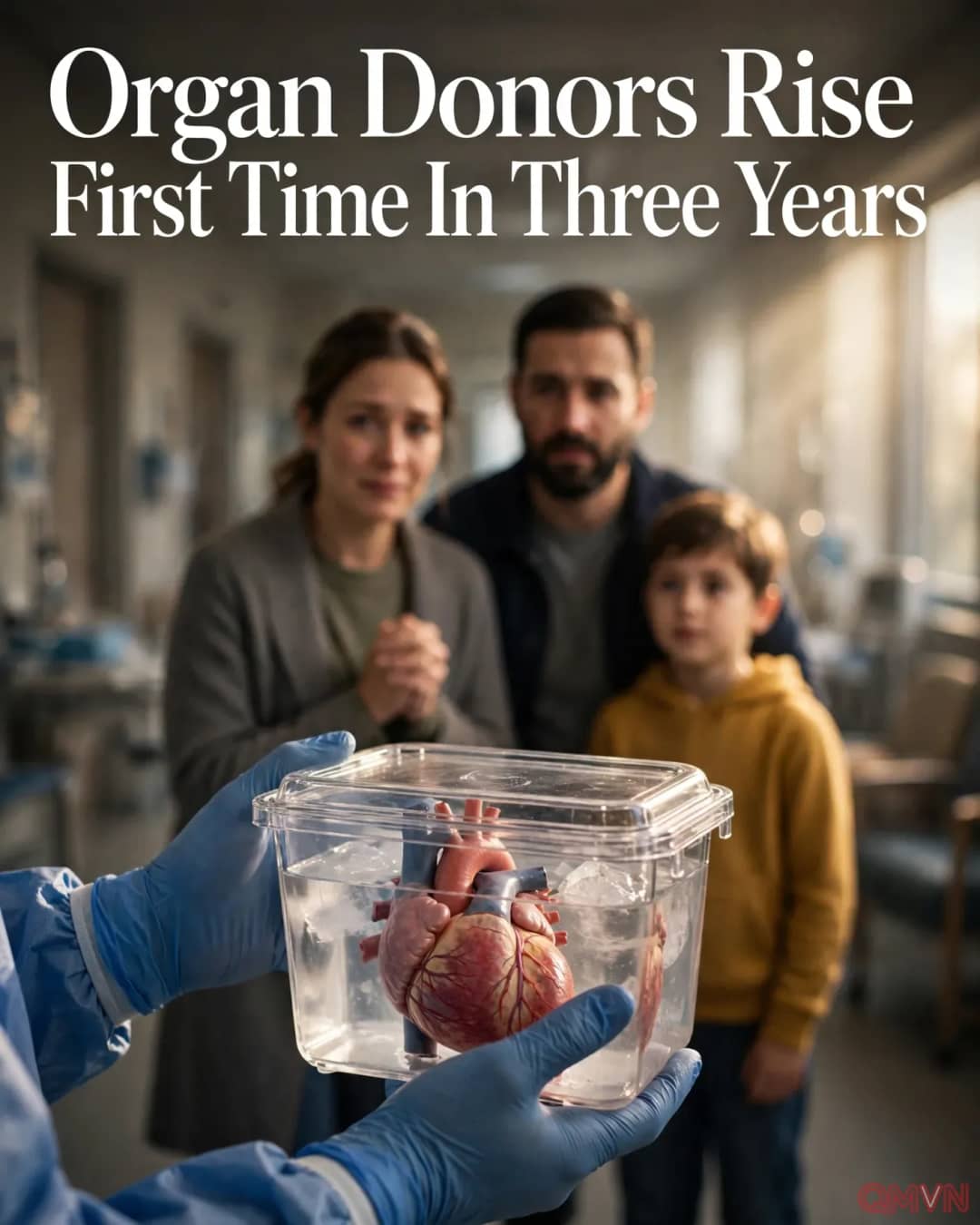
The new count of 394 refers specifically to people who donated at least one organ following a declaration of brain death; it is not a count of all living and deceased donors, nor does it include corneal donations. That distinction matters when interpreting national transplant statistics. The number already exceeds the 370 recorded throughout 2025 and is approaching the 397 reported in 2024. It remains below the 2023 figure of 483, so the increase should be viewed as an early recovery rather than a complete return to the previous high.
Earlier data hinted at this shift. The Seoul Economic Daily reported 337 brain-dead organ donors in the first nine months of 2026, compared with 272 over the same period a year earlier. The pace gives grounds for cautious optimism, although the final annual total and the number of successful transplants will need to be assessed separately. Each donor may benefit several recipients, but allocation, medical compatibility and organ condition determine how many patients can ultimately receive help.
The human urgency behind the waiting list
A transplant is often the culmination of years of medical appointments, uncertainty and changes to family life. The Korea Herald reported that average waiting time stood at about four years as of December 2024.