MAIN ARTICLE
A governing victory is not the same as an election victory
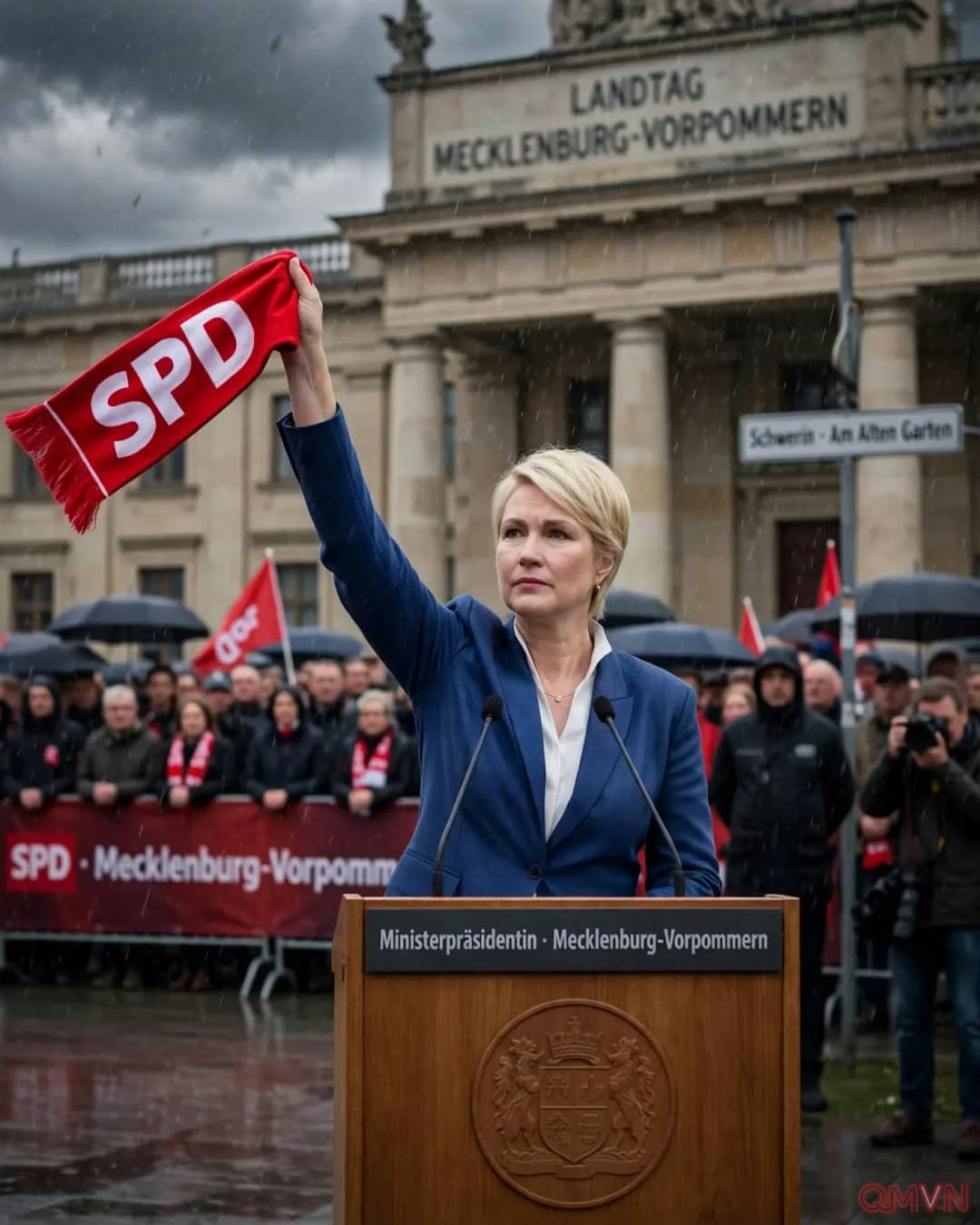
In the September 20 state election, Schwesig’s SPD won 35.5% of the vote, an unusually robust result against the party’s national difficulties. The AfD, however, led with 38.2%, according to official state results. It would therefore be misleading to describe the SPD as the outright electoral winner. Schwesig’s more significant achievement was to assemble a parliamentary majority capable of forming a government.
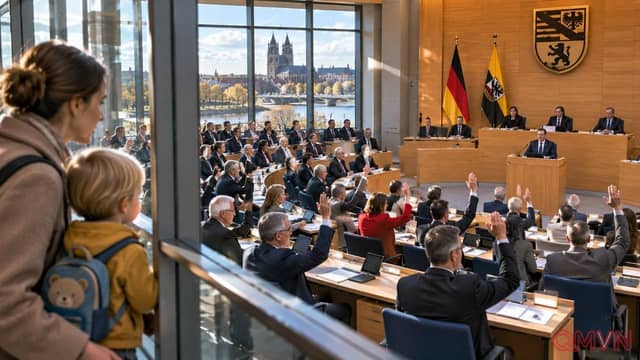
The coalition of the SPD, Die Linke and the Greens holds 39 seats and returned her to the premiership on November 16. The three-party administration replaces the previous two-party partnership between the SPD and Die Linke. It will have to reconcile different priorities on budgets, public services and economic policy while convincing voters that an agreement among parties can produce practical results.
The result delivers two messages at once. The SPD can still earn trust through effective local leadership, but the appeal of a particular candidate cannot automatically be transferred to national elections. Success in Schwerin is promising evidence for the party, not a guarantee of revival in Berlin.