MAIN ARTICLE
Pay and working time become the dividing line
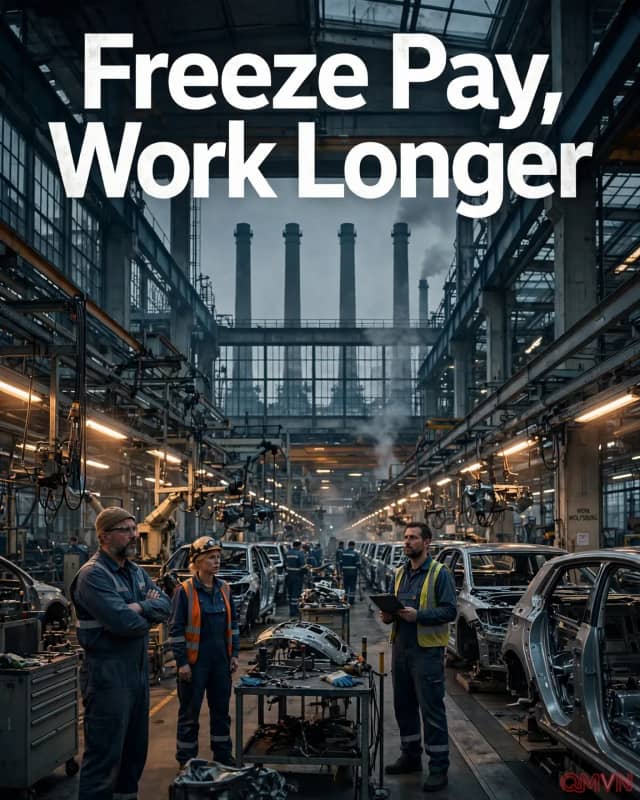
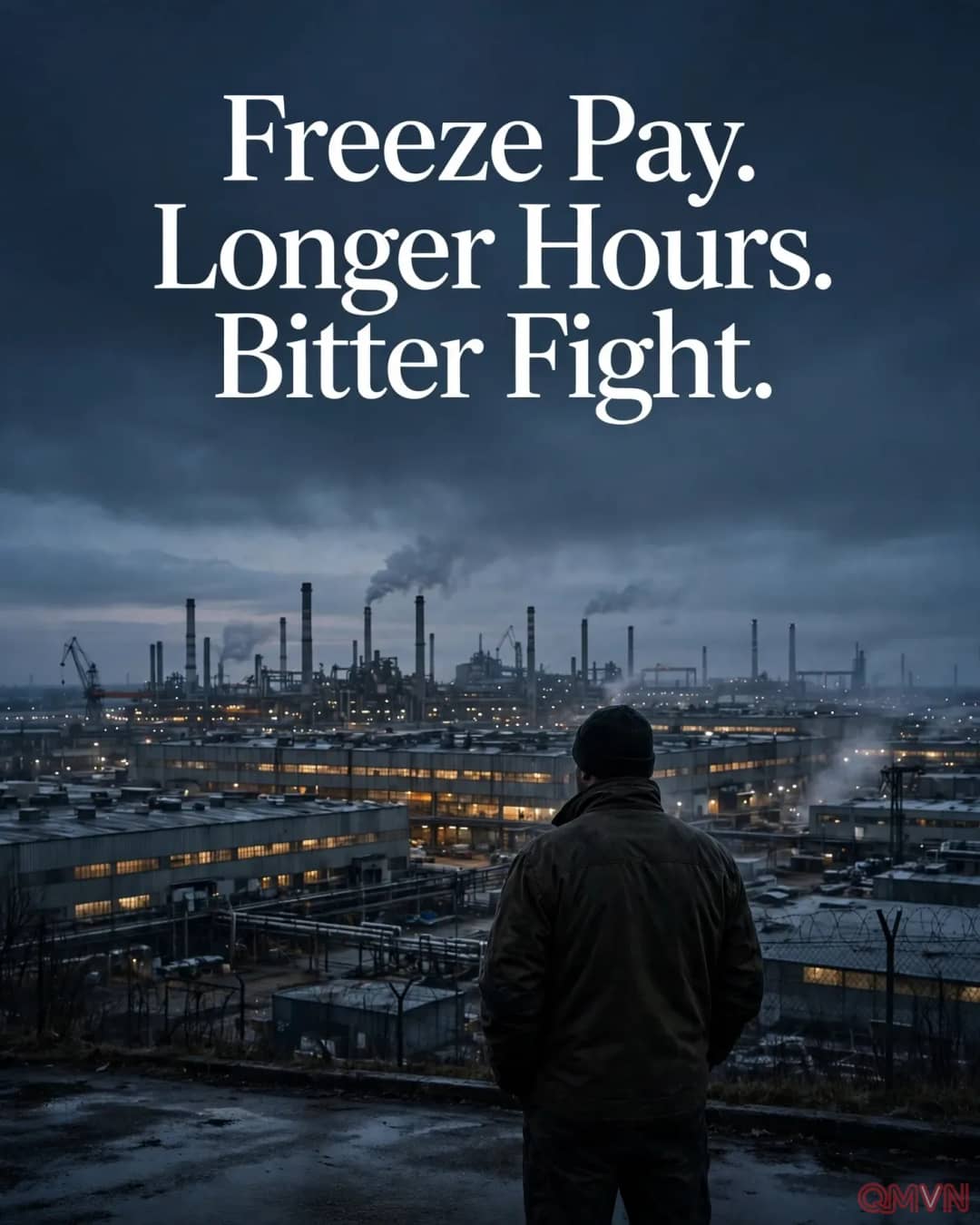
Volkswagen is seeking a freeze in negotiated wages for two years, the withdrawal of a bonus that workers can receive as cash or additional time off, and revisions to long-standing working-time arrangements. The 35-hour week is particularly sensitive because it embodies decades of collective bargaining in Germany. Management argues that greater scheduling freedom and lower unit labour costs are needed to make domestic production competitive; workers see a risk that existing contractual protections could be steadily weakened.
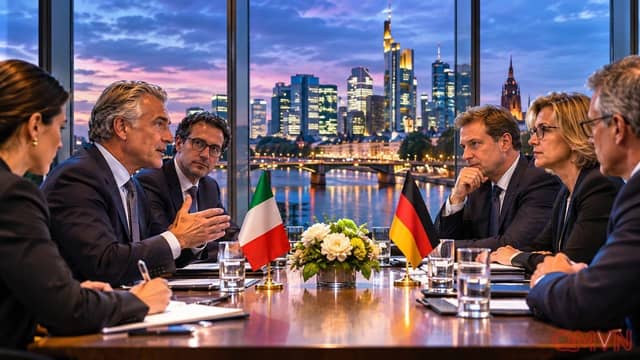
The proposals were made before formal talks with IG Metall, which has sought a 5% pay increase. A bargaining demand is not an agreement, and neither the freeze nor longer uncompensated hours should be described as adopted policy. The company and union are now approaching an important test of whether the promise of industrial renewal can be reconciled with the purchasing power and working lives of people producing its cars.
A union prepares to defend hard-won guarantees
IG Metall chief negotiator Thorsten Groeger accused Volkswagen’s leadership of betraying employees and predicted an exhausting confrontation. His words reflect a deeper loss of confidence after the company terminated several collective agreements effective at the end of December.
Those agreements regulate practical matters beyond base wages, making the dispute a question of predictability as well as compensation.
The new talks begin in Emden, a German production centre exposed to changes in electric-vehicle demand and industrial planning. Approximately 120,000 workers fall under this negotiating round. Strikes at Volkswagen could emerge from January, while IG Metall has separately announced industrial action in other automotive and steel workplaces. These parallel disputes are connected by cost pressures, but their legal frameworks and negotiations are not identical.
The pressure extends beyond one manufacturer
Europe’s automotive sector is being squeezed between a demanding technology transition and aggressive global competition. Chinese brands such as BYD have expanded across Europe, offering alternatives that pressure established manufacturers on pricing and speed of product development. At the same time, tariffs and increasingly fragmented markets complicate an export-based business model built around large volumes, specialist suppliers and reliable international access.
Volkswagen’s restructuring plans have raised the prospect of deep reductions in employment and possible plant closures in the early 2030s. Figures discussed in the latest reporting point to as many as 100,000 positions across its wider restructuring ambition, while a December 2024 agreement had separately envisaged more than 35,000 socially managed reductions at German Volkswagen sites by 2030. These are distinct reference points, not two measures of an already completed loss of jobs. For communities dependent on factories, even a distant possibility can unsettle housing, training and local business investment.
The choices and stakes in the negotiation
Management must show that proposed sacrifices address a credible business problem and are accompanied by realistic investment plans. The union must weigh the preservation of established standards against the risk that expensive and underused facilities become harder to sustain. Neither argument by itself resolves the question of where the productivity gains from automation and new vehicle platforms should flow.
An agreement might combine investment commitments, targeted scheduling changes, retraining and safeguards for lower-paid employees; no such compromise has yet been reached. The critical dates are November 24, when bargaining begins, and the expiry of agreements at year-end. Until then, the proposed pay freeze and any stoppage remain prospective. The wider question for Germany is whether its tradition of negotiated change can still hold when competitive pressure is accelerating.