MAIN ARTICLE
A declared homecoming under extraordinary risk
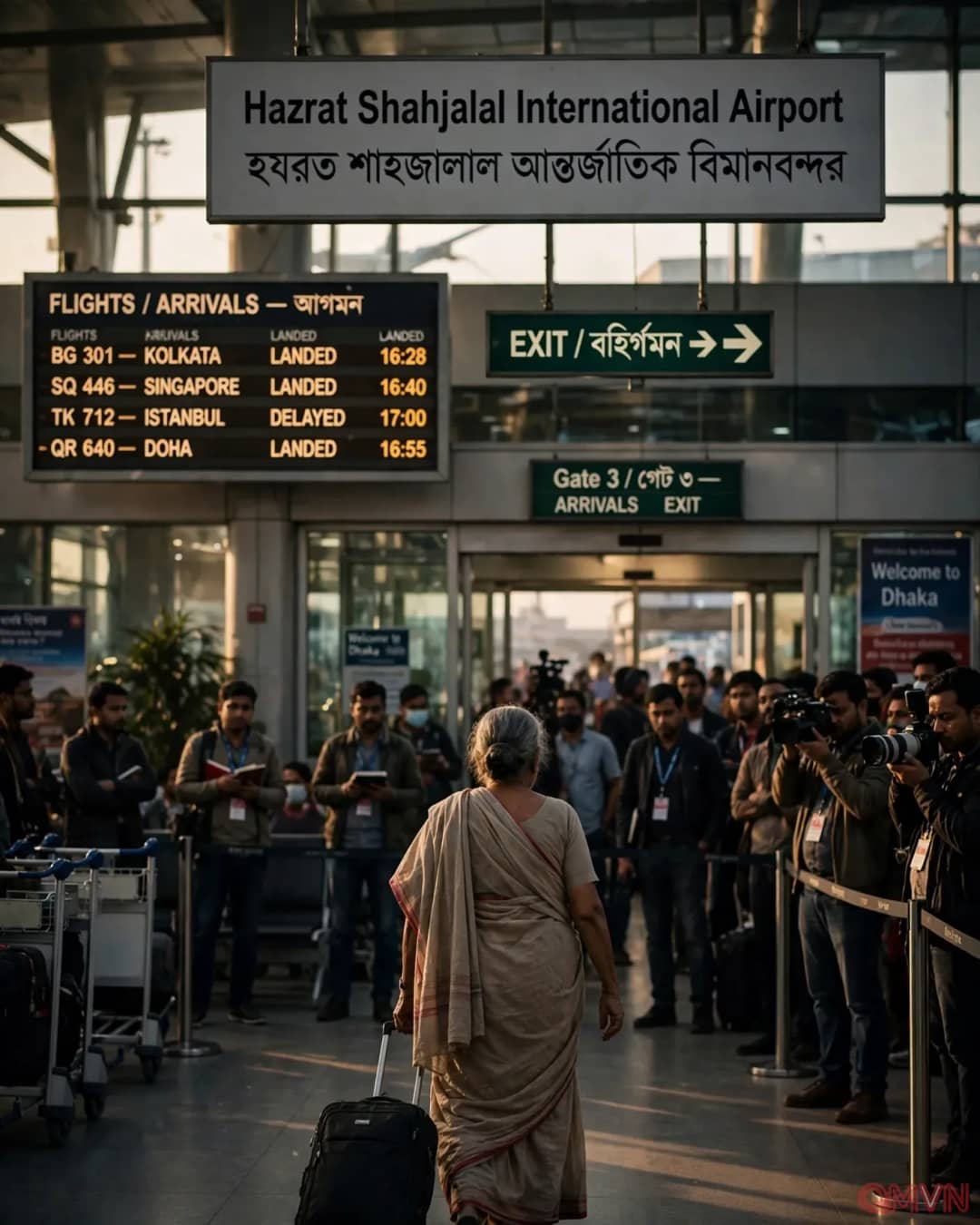
On November 16, Hasina, 79, repeated that she would travel home in December despite warnings that the sentence against her could be enforced. Her statement establishes an intention, not a confirmed itinerary or safe-passage arrangement. She portrayed the decision as a personal obligation to her country and acknowledged that returning could mean detention or death.
She has lived in India since August 2024, when a student-led uprising brought down her government after more than 15 years in power. The prospect of a once-dominant leader returning as a convicted defendant presents a sensitive challenge for the courts, the current administration and security institutions.
The judgment and unanswered legal questions
A Bangladeshi tribunal sentenced Hasina to death in absentia in 2025 for crimes against humanity connected to the suppression of the 2024 protests. She denies wrongdoing and says the tribunal lacked legitimacy. Human-rights advocates have called for accountability for those killed, alongside safeguards ensuring that proceedings against every accused person meet standards of fairness.
Officials have said the deadline for an ordinary appeal has passed and that the verdict could be executed if she returns. Important questions nonetheless remain about representation by counsel, the position of a defendant tried in absentia who later appears and any further judicial steps. A government account of the legal position should not be mistaken for a fresh court ruling.