MAIN ARTICLE
The street makes dispersed concerns visible
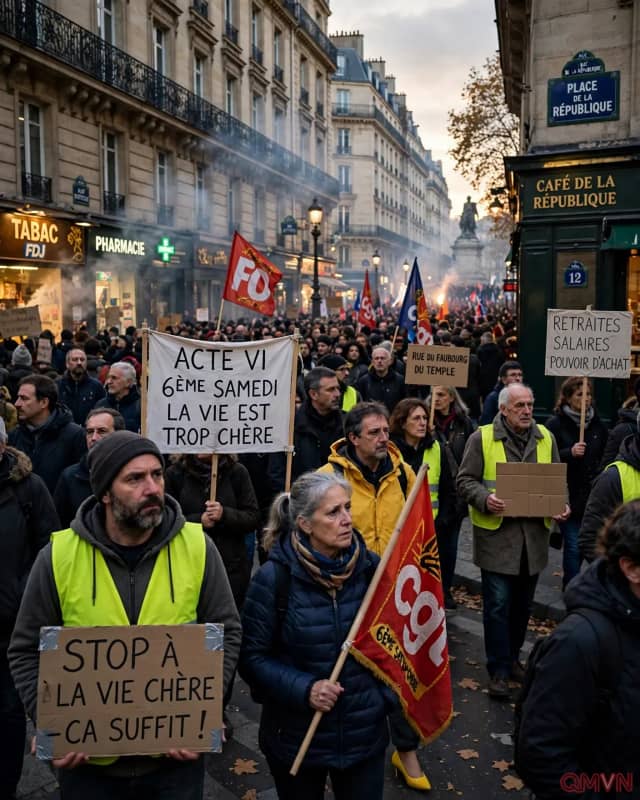
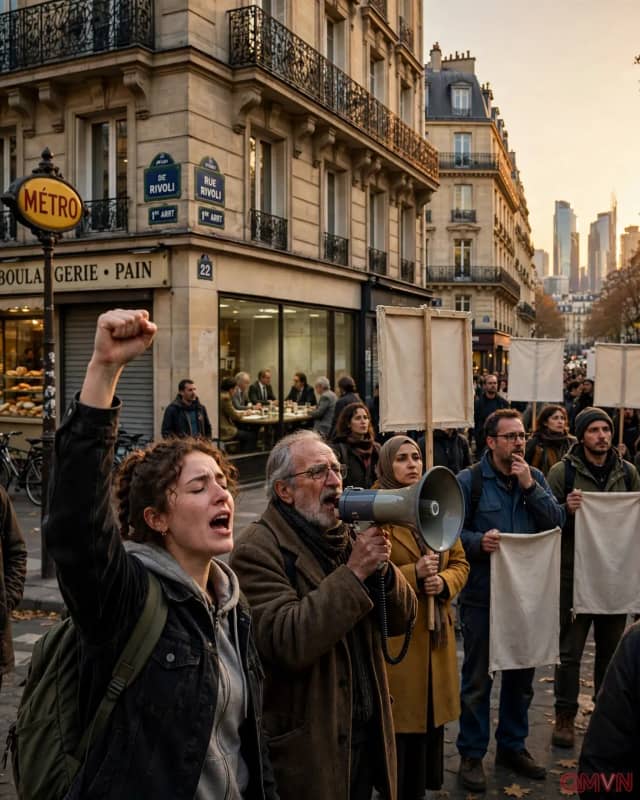
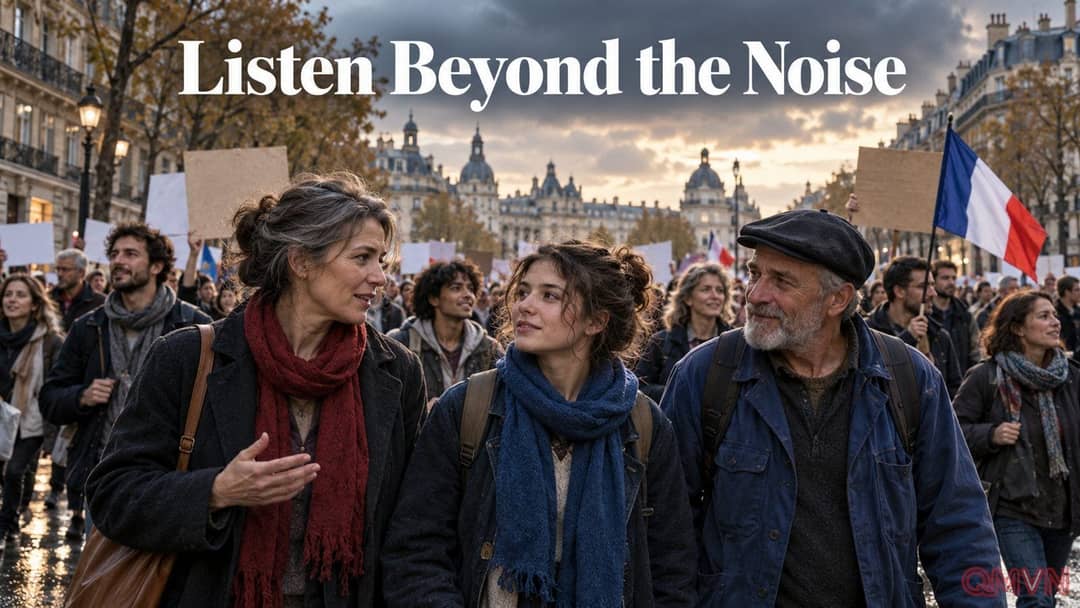
A yellow vest, a line of tractors or a museum closed by a strike can turn scattered frustration into something the public recognises immediately. Behind the memorable image, however, are practical concerns about travel costs, income, working conditions or public services. Describing protest as political theatre is useful only if it does not reduce those concerns to a performance without consequences. The image draws attention; understanding depends on following it back to the need that brought people together.
Magali Della Sudda, a political scientist at CNRS, told AP that demonstrations help build collective identity and political community. People do more than send a message to officials: they discover others who share a problem that might previously have felt private. This interpretation helps explain the appeal of collective action without assigning one temperament to an entire country. A long protest tradition does not make marching the only legitimate voice.
Destruction cannot speak for every demonstrator
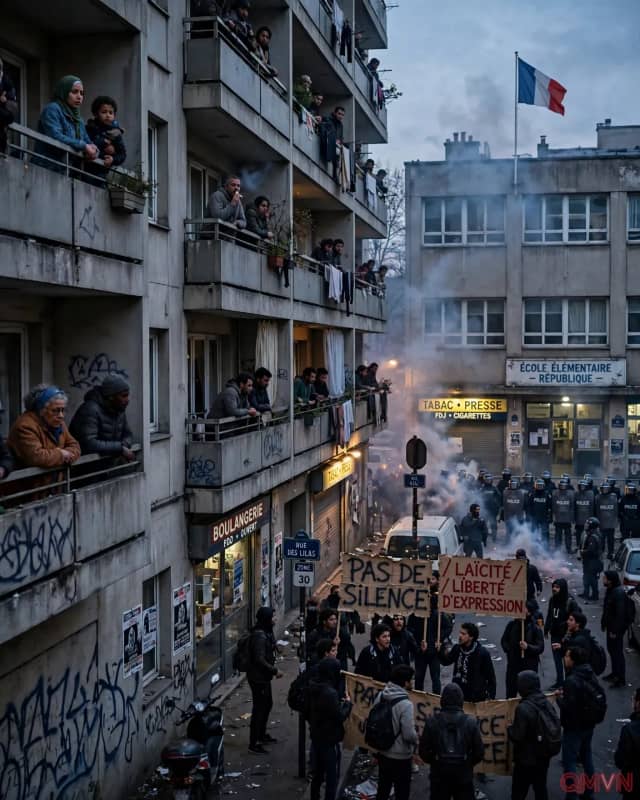
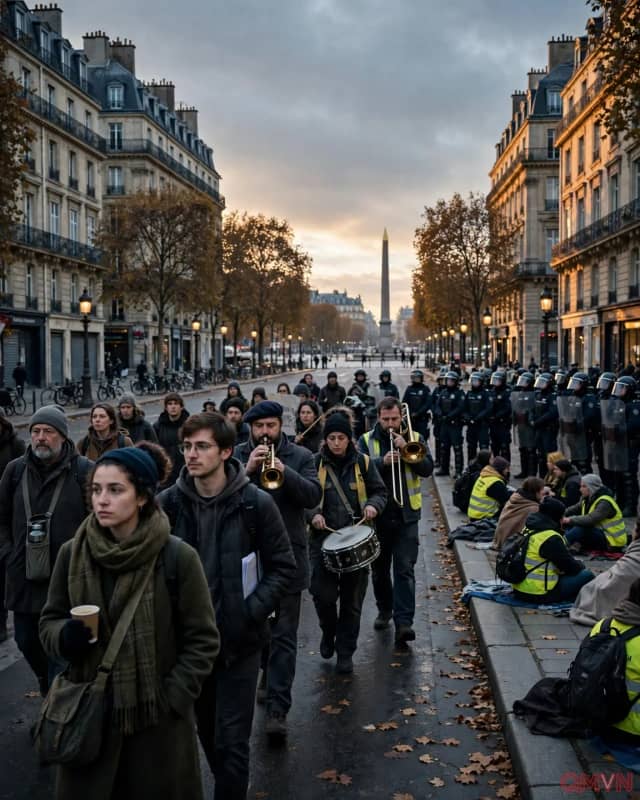
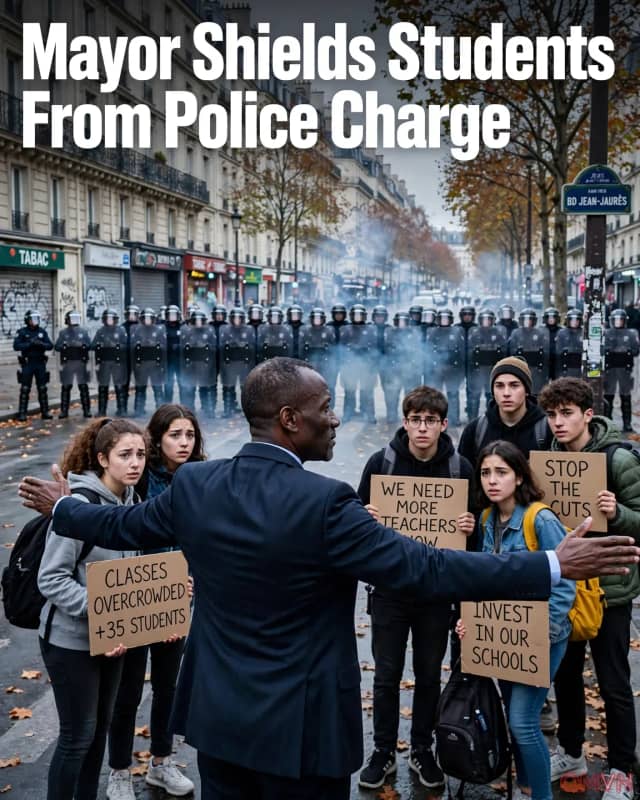
AP described large peaceful marches alongside clashes, burning vehicles, looted shops and attacks on public buildings. Keeping those categories distinct is essential to understanding the events. The report said it was unclear how many people ransacking shops had originally joined the protest and how many were opportunists. That uncertainty should remain visible. Footage of a destructive group cannot establish the intentions of every participant, just as the existence of legitimate grievances cannot make attacks on other people’s livelihoods acceptable.