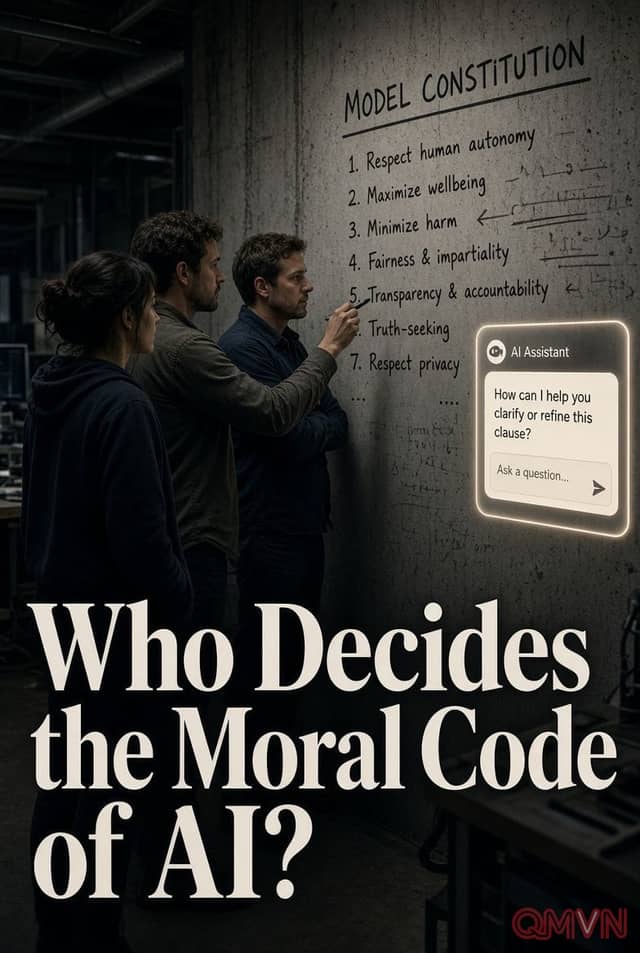
A number that says more than any slogan
PwC's 2027 Global Digital Trust Insights, released on October 1, is one of the largest annual readings of how boardrooms think about digital risk. Its most striking figure is a modest one: just 22 percent of respondents would permit fully autonomous execution by AI agents in cyber defence. Put differently, nearly four in five leaders still want a person standing between the machine's judgement and the machine's action.
That hesitation does not come from a lack of money or interest. The same survey shows 84 percent of security and finance leaders expecting cyber budgets to grow, and 58 percent of security leaders ranking AI among their top spending priorities. Companies are buying AI; what they are withholding is the final signature. The most common use today remains threat detection and alerting, tasks in which the machine advises rather than decides.
Why speed cuts both ways
The very quality that makes an AI agent attractive is the one that makes it frightening. An agent able to isolate a server or revoke access in seconds can also isolate the wrong server, in seconds, across thousands of machines. According to The Wall Street Journal, executives name three main concerns: