MAIN CONTENT
A border city missing its Canadian visitors
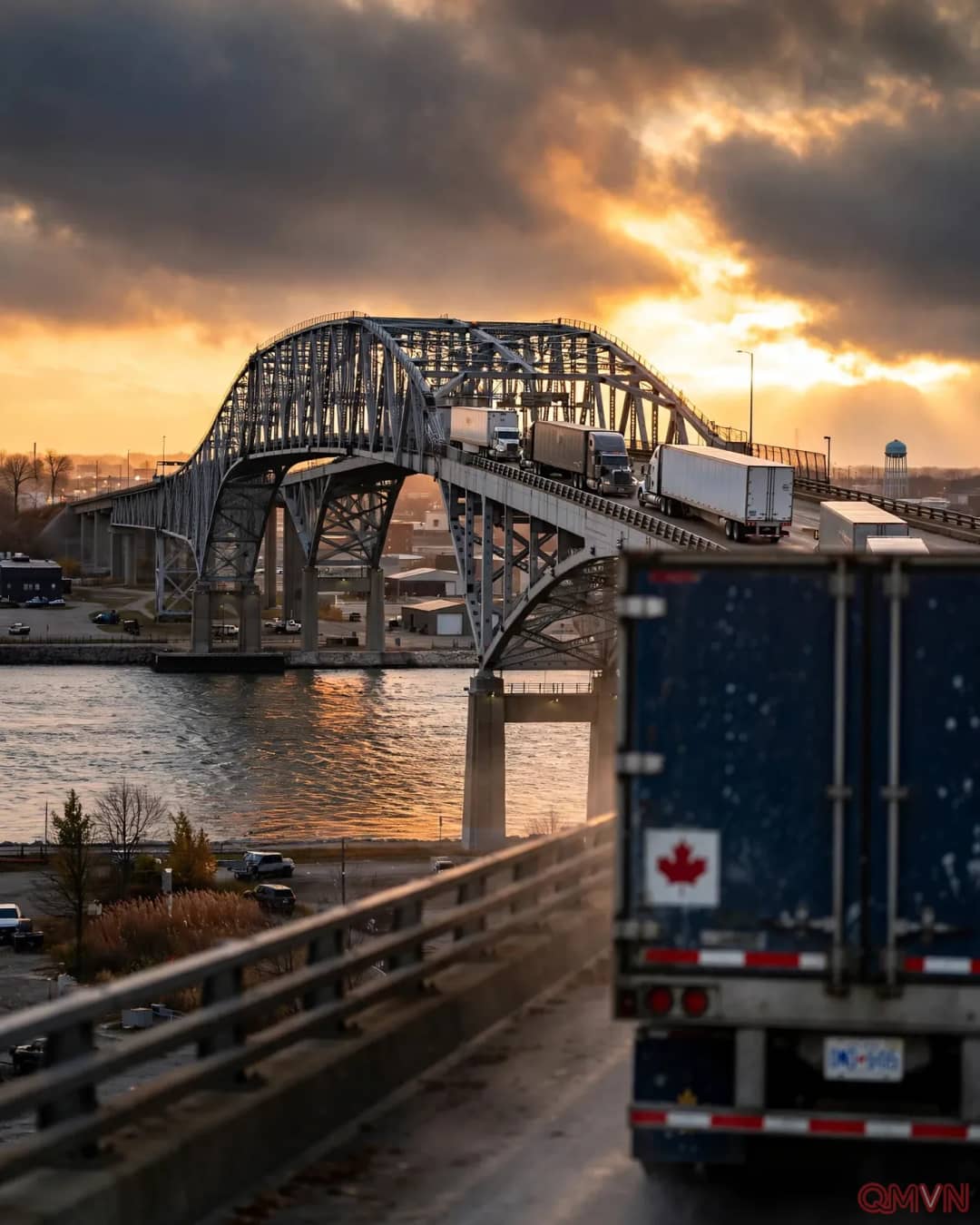
Only the St. Clair River separates Port Huron from Canada, and residents have long crossed the Blue Water Bridge to shop, work and dine. Trump became the first sitting president to visit this city of fewer than 30,000 people, aiming to drive turnout in a battleground state that could decide control of the Senate. But Canadian license plates have become a rarer sight in local parking lots. Mayor Anita Ashford says the city's economy has “taken a drop” because of tensions between the two countries, as Canadians – once key customers – stay on their side of the border.
The impact reaches beyond Port Huron. In August, the National Taxpayers Union Foundation, a group that supports conservative fiscal policies such as lower taxes, reported that tariffs had cost Michigan households an additional $5,619 compared with 2024 – the largest impact of any state. According to Richard Czuba, founder of the polling firm Glengariff Group, the figure has clearly affected Michigan voters.
Republican candidates keep their distance
Across the northern tier of the US, where economies are deeply integrated with Canada's, tariffs have become a burden for Republicans. In Michigan, Senate nominee Mike Rogers, locked in a close race with Democrat Abdul El-Sayed, appears in a widely aired ad sitting in a bar with a bottle of Canada's Labatt beer.