MAIN CONTENT
Three powers, three different strategic calculations
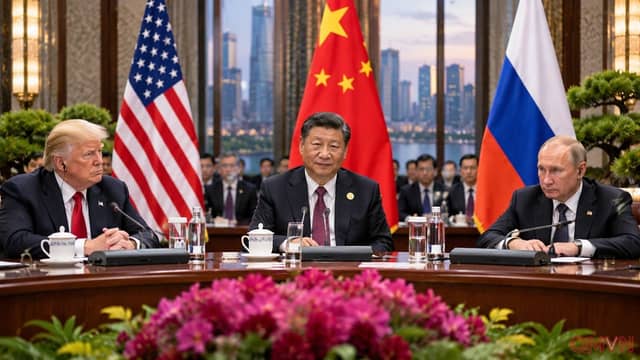
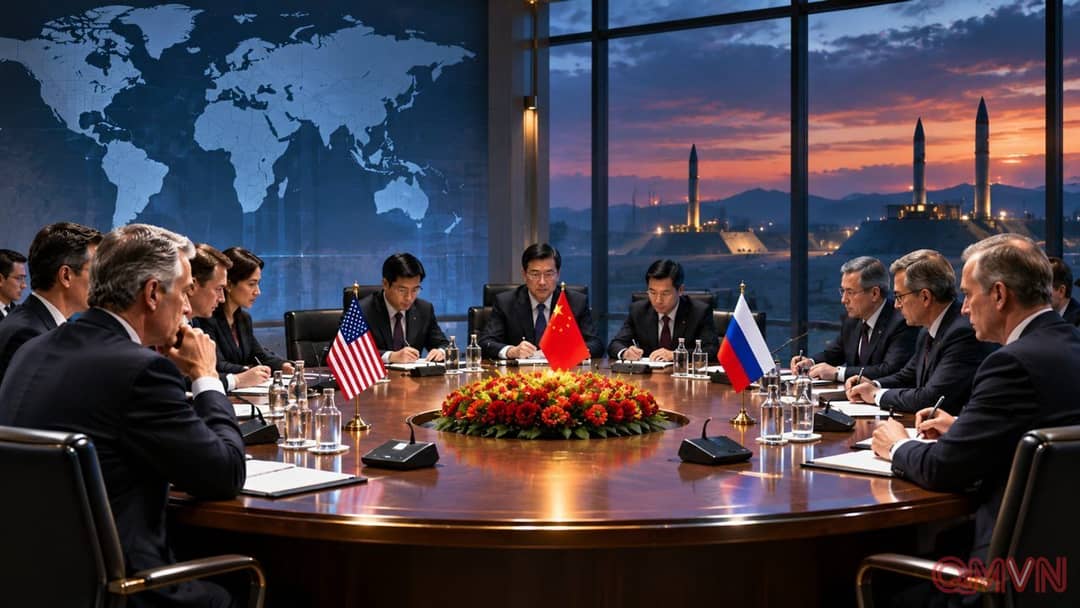
Trump has repeatedly expressed a desire to discuss nuclear reductions with Xi and Putin. But a presidential aspiration does not by itself create an agreed negotiating agenda. Ahead of the gathering, Beijing declined to confirm that arsenal negotiations would take place; Russian officials indicated that contact with Washington should not be mistaken for a comprehensive bilateral round.
The United States considers Chinese participation essential to an arms-control framework fit for this century. China fears that identical obligations would obscure a large imbalance in existing stockpiles. Russia brings separate priorities involving the war in Ukraine, NATO deterrence and the future architecture of European security. These differences may determine whether the meeting produces substance or merely symbolism.
The numbers explain only part of the disagreement
According to Federation of American Scientists estimates cited in the reference reporting, China has roughly 600 nuclear warheads while the United States and Russia each possess several thousand weapons available for military use. These are research estimates, not jointly verified inventories.