Why endurance has become a central defence question
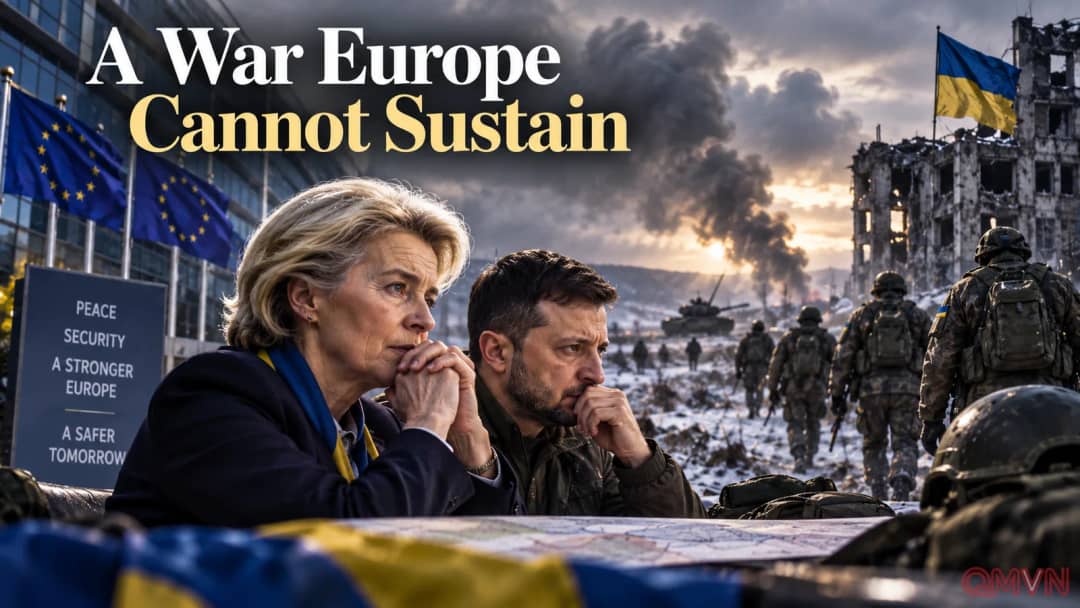
Defence planners working with NATO fear that Europe would struggle to sustain a prolonged war of attrition with Russia under current conditions, The Guardian reported after a Munich Security Conference forum. Officials raised a difficult political as well as military question: would European publics accept the human and economic costs of a conflict lasting months or years?
Attritional warfare places pressure on personnel, ammunition, maintenance, logistics, budgets and public confidence at the same time. Ukraine has demonstrated how quickly modern war can consume artillery shells, air-defence interceptors and drones, while forcing militaries to replace equipment and adapt technology continuously.
That makes endurance more complicated than comparing troop numbers or headline defence budgets. A force can be technologically sophisticated and still face difficulty if factories cannot replenish munitions, transport networks cannot move equipment quickly, or political support erodes. The warning from European officials is therefore less a prediction of defeat than a reminder that credible deterrence depends on the ability to keep functioning after the first phase of a crisis.