MAIN ARTICLE
A departure from the state-dominated model
Reuters and EFE reported that lawmakers passed the reform on November 10 after several delays to the final debate. The updated law allows appropriately authorized private and mixed-ownership companies to generate electricity. It offers partnerships with public entities and concessions lasting no longer than 25 years. This represents a significant change for a system nationalized in 2007, where years of inadequate investment and maintenance left large parts of the network unable to meet demand.
National Assembly president Jorge Rodríguez stressed that opening the market does not amount to selling the whole electricity sector. The distinction matters politically: the government wants outside capital and technical capacity while retaining public oversight. Local outlet El Pitazo reported that assets developed under certain concessions must revert to the state when the authorization ends. Investors will scrutinize operating rights, pricing arrangements and recoverability of costs before committing money.
An electricity crisis that reaches every household
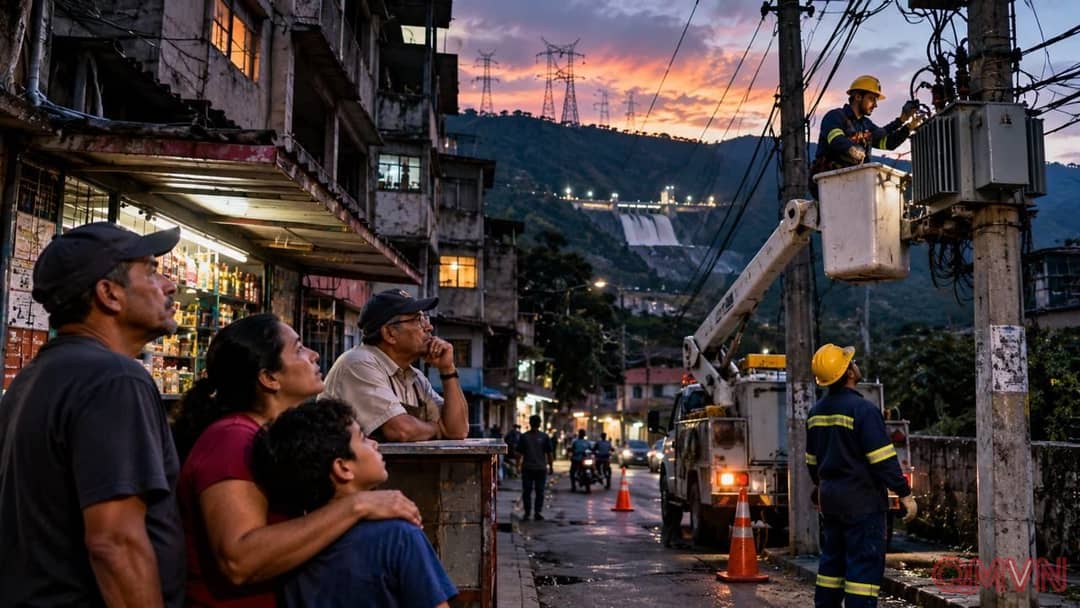
An outage is not merely an inconvenience in Venezuela. Without power, water pumps stop, phone networks become unreliable, internet access disappears and refrigerated food may spoil. Hospitals, schools and industrial workshops face additional costs to keep essential services operating.