MAIN ARTICLE
When oil infrastructure becomes part of everyday life
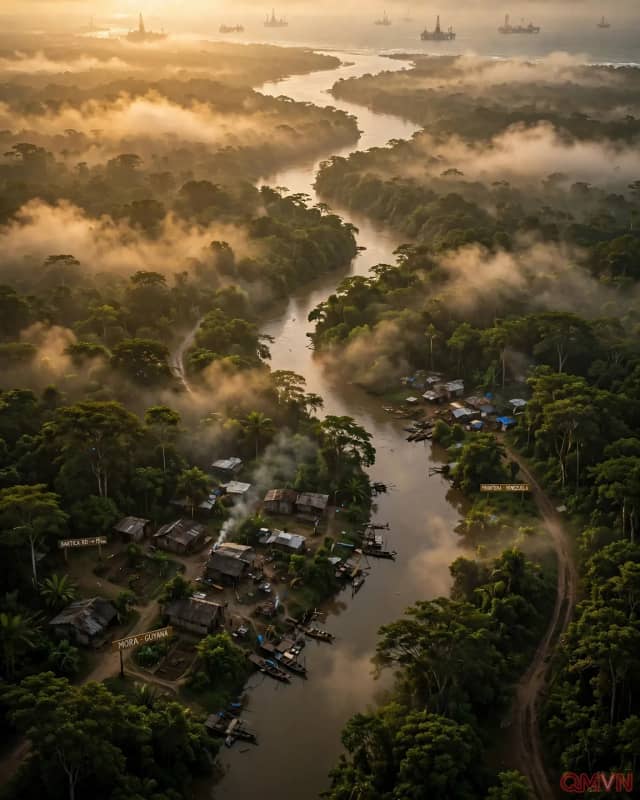
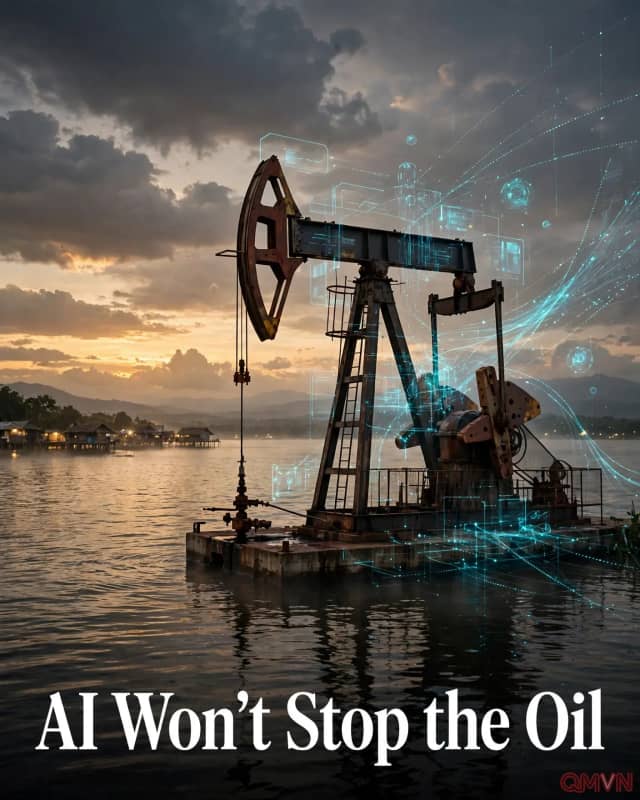
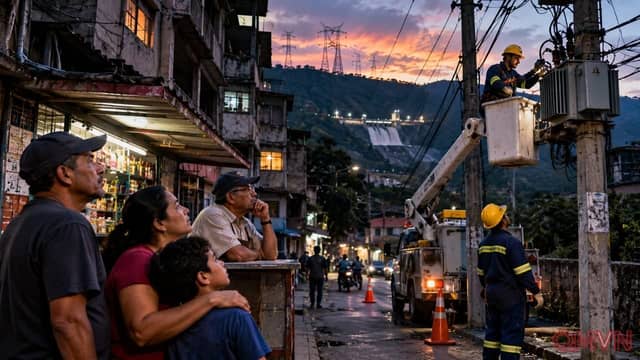
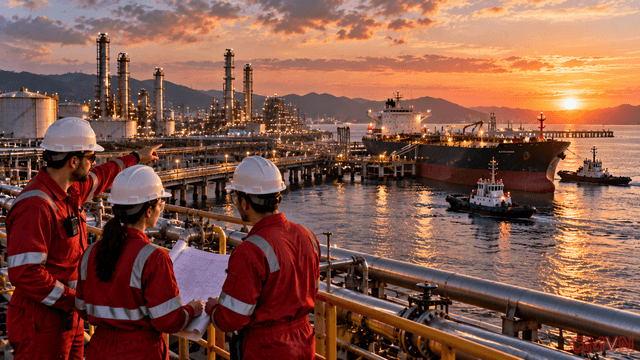
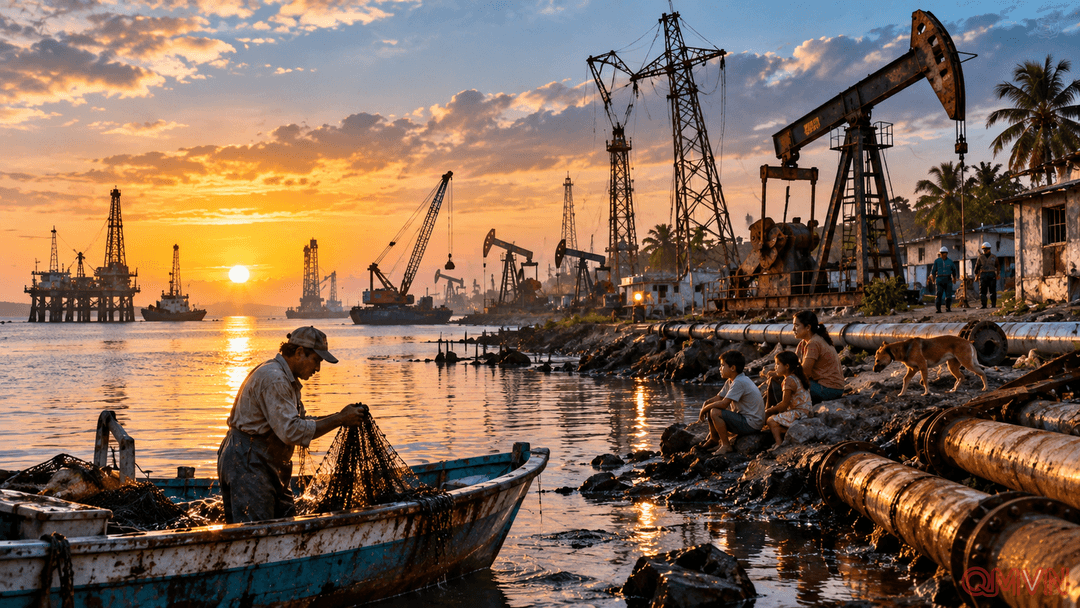
In Cabimas, the remnants of an industry that once made the surrounding communities prosperous have become part of the domestic landscape: rusting pumpjacks, aging pipes and offshore structures visible from shore. The Wall Street Journal reports oil sticking to fishing nets, gas escaping from damaged underwater lines and electricity failures lasting hours. These are not merely industrial defects; they shape what residents can earn, eat and safely use.
Older residents remember company housing, recreation clubs and services supported by petroleum wages. Nostalgia, however, cannot fix a leaking pipe or supply an understaffed clinic. A recovery worthy of the name would need to improve the lives of fishing families and workers, not simply add barrels to a production chart.
The investment opportunity is real, but the repair bill is enormous
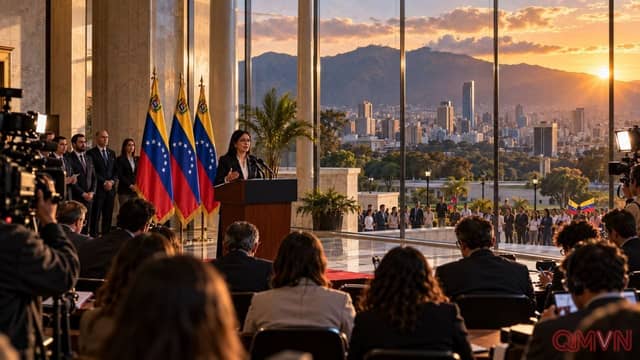
Venezuela holds vast hydrocarbon resources, yet output remains far below the more than 3 million barrels a day produced in the late 1990s. PDVSA chief Hector Obregón said on October 9, according to Reuters, that the company was targeting 105 oil contracts in 2026, of which 61 had been signed.