From Confrontation to a New Energy Bargain
On September 4, Venezuelan Hydrocarbons Minister Paula Henao said U.S. easing of some restrictions on oil, mining and the public financial system remained insufficient. Caracas, she said, would continue seeking a complete end to sanctions so Venezuela could fully develop its role as a major energy supplier. EFE and 14ymedio reported the comments only days after important new oil agreements between the two countries.
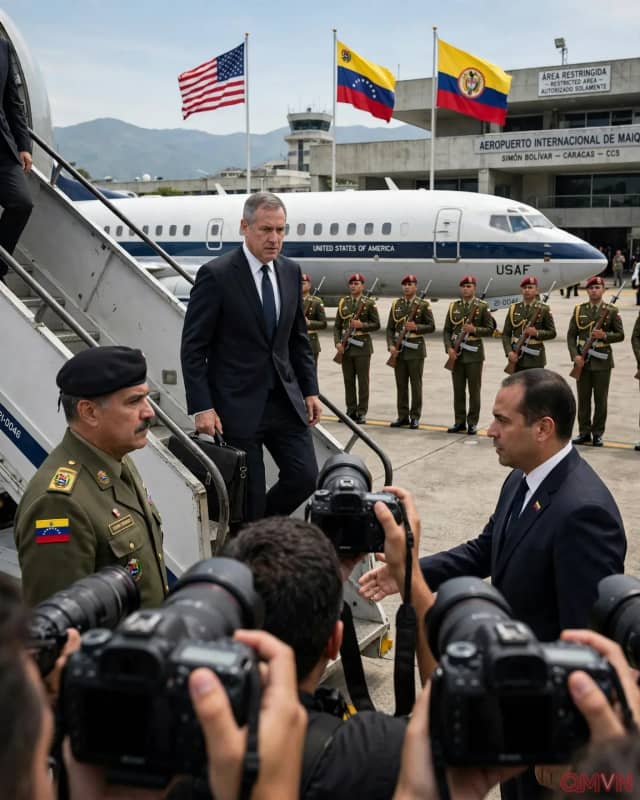
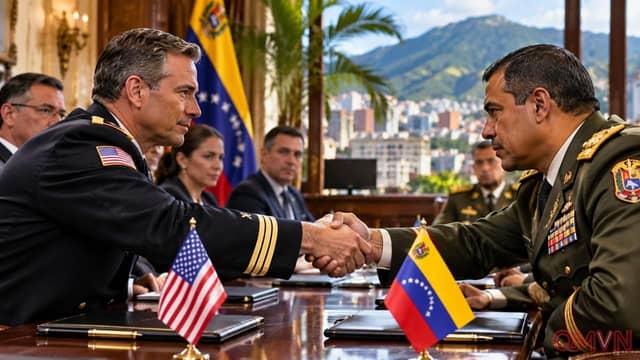
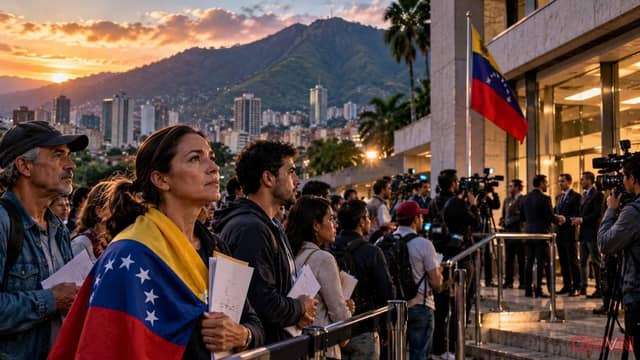
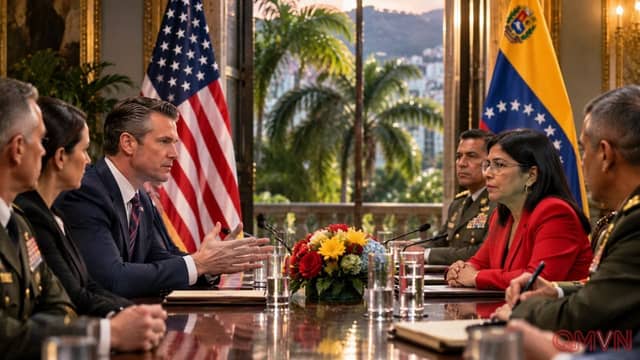
The political setting is radically different from previous years. After Nicolás Maduro was captured by U.S. forces on January 3, Delcy Rodríguez became Venezuela's interim president. Relations between Washington and Caracas subsequently shifted from confrontation toward conditional cooperation, with energy at the center. The United Nations documented the transfer of authority during Security Council discussions while continuing to emphasize international law and the protection of civilians.
Chevron, Eni and the Drive to Restore Output
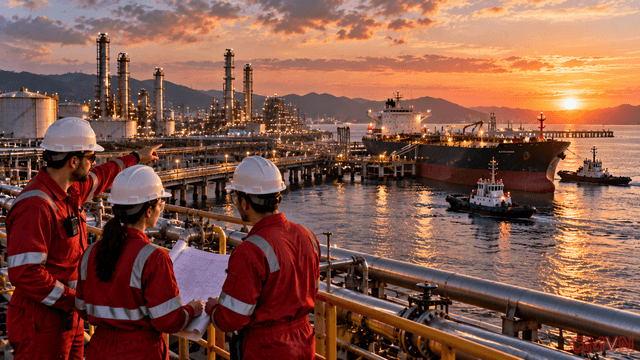
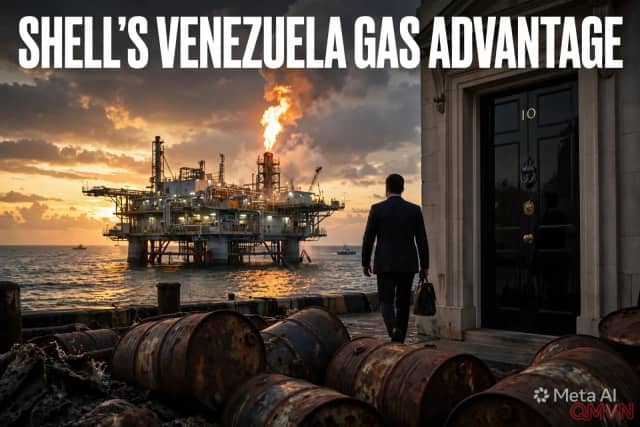
Reuters reported on September 2 that Chevron, Eni and other companies signed agreements to expand oil and energy operations in Venezuela. Chevron is expected to invest more than $7 billion and aims to lift production connected with its projects to roughly 600,000 barrels per day.