MAIN CONTENT
A carefully staged anniversary test at Gölbek
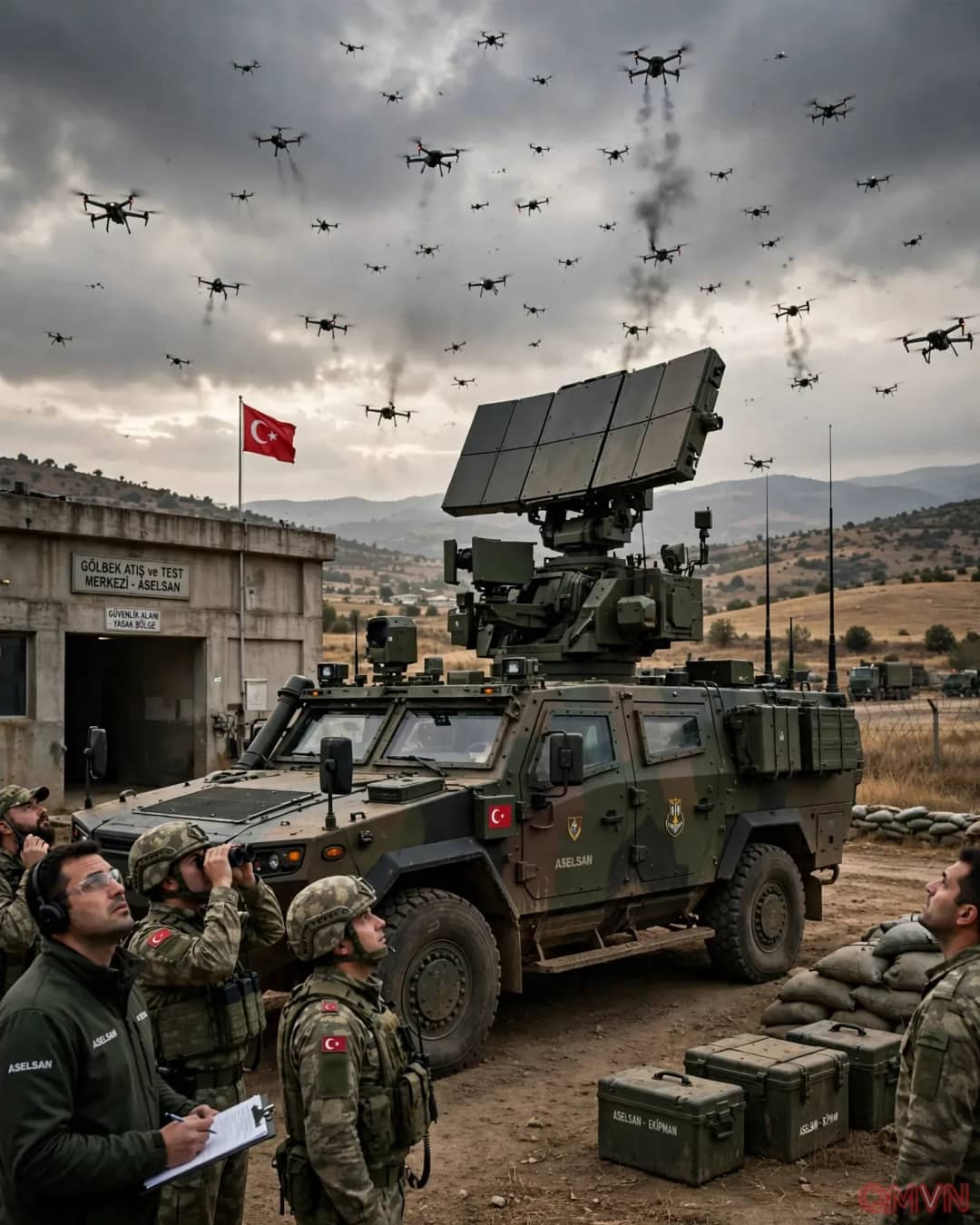
According to statements reported by Anadolu Agency and Hürriyet Daily News, ASELSAN held the trial at its Gölbek Firing and Test Centre to mark the company's 51st anniversary. In the first phase, EJDERHA reportedly affected two wire-guided drones at a distance of roughly 1,000 metres. In the second, 51 unmanned aircraft took off together and, according to the manufacturer, were disabled within seconds. The number represented the anniversary, not a generally recognised technical threshold for anti-drone weapons.
Chief executive Ahmet Akyol described the result as a world first and said the system had entered serial production and been deployed in the field. Those declarations are consequential for buyers and policymakers, but the public record chiefly consists of accounts and material originating with ASELSAN. Independent testing of the claimed record and the technology's limits across realistic operating conditions has not been made publicly available.
Attacking electronic circuits rather than airframes
EJDERHA belongs to the family of high-power electromagnetic systems. It uses vacuum-electronics technology to generate directed electromagnetic energy intended to disrupt the target's circuits. Radar detects incoming objects, while electro-optical sensors track them and help aim the emission.