MAIN ARTICLE
The court defines state responsibility
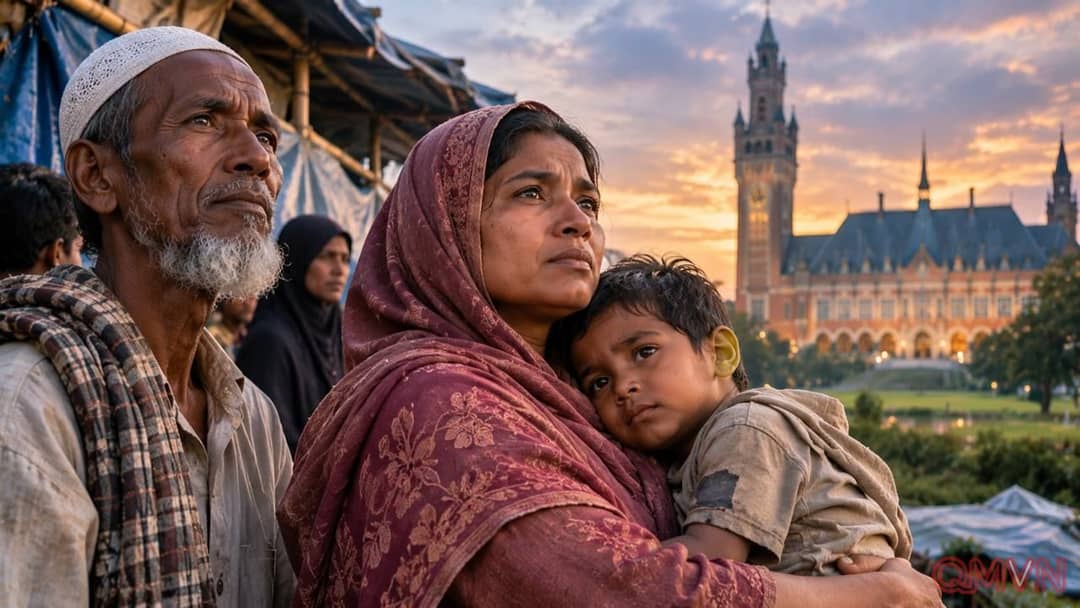
In The Hague, ICJ judges ruled by nine votes to six that Myanmar committed genocide against Rohingya people in northern Rakhine during the 2017 clearance operations. The case concerns the responsibilities of a state under the 1948 Genocide Convention, not the criminal conviction of individual commanders. The court also found failures to prevent genocide by people operating alongside security forces, punish prohibited acts and enact adequate implementing legislation.
The court further found a breach of its 2020 order to preserve evidence. Its decision was exacting rather than indiscriminate: it did not find Myanmar responsible for direct and public incitement of genocide by private individuals. Distinguishing supported conclusions from rejected allegations is essential if a judgment is to command respect beyond the courtroom.
For survivors, these findings concern more than an abstract treaty. They acknowledge that destroyed villages, separated families and years of displacement can create legal obligations, providing a foundation from which victims may seek practical repair.