MAIN CONTENT
A promise without a final borrowing figure
The government's new framework makes fiscal sustainability an explicit consideration in the budget process. The emphasis matters because fiscal policy affects not only the amount of money available for public projects but also the terms on which the government can borrow. Greater certainty about future financing can help businesses and households plan over longer horizons. A draft, however, is a statement of direction rather than a completed set of appropriations.
According to Reuters, Takaichi indicated in August that fresh debt issuance should be held near 40 trillion yen, even as spending requests reached 143 trillion yen. The latest document does not formalize that earlier indication. The figures are also different categories: requested expenditure cannot simply be treated as borrowing, since taxes and other receipts finance part of the budget. The eventual combination of approved expenditure, revenue forecasts and financing will reveal how far the promise of restraint is reflected in policy.
The unusual role of central bank assets
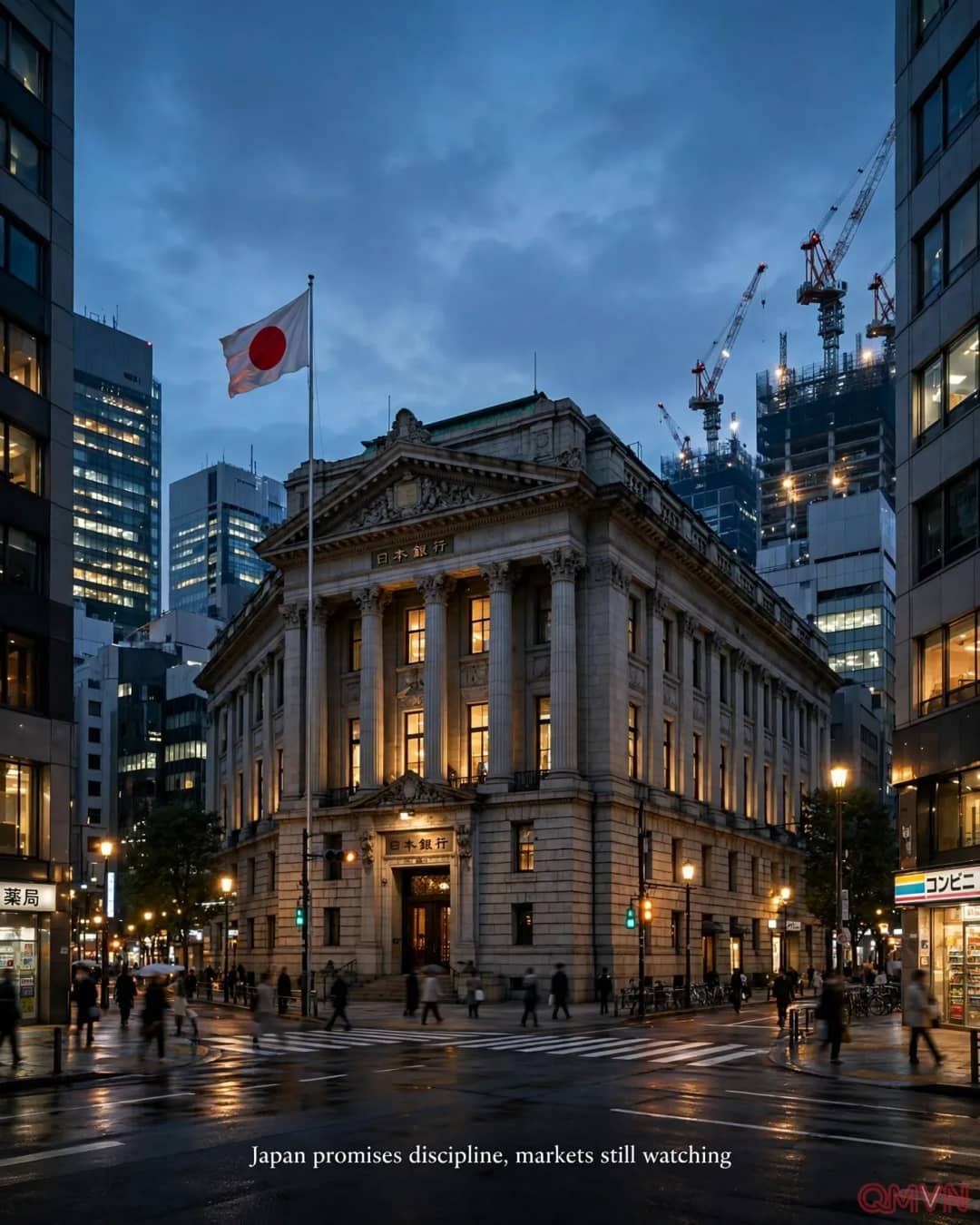
An important feature of the proposal is the use of income associated with the BOJ's holdings of exchange-traded funds (ETFs). The budget framework envisages an account for economic-security expenditure financed through interim borrowing, with repayment supported by proceeds associated with faster disposal of those assets.