ARTICLE
A threefold expansion, but two different reserves
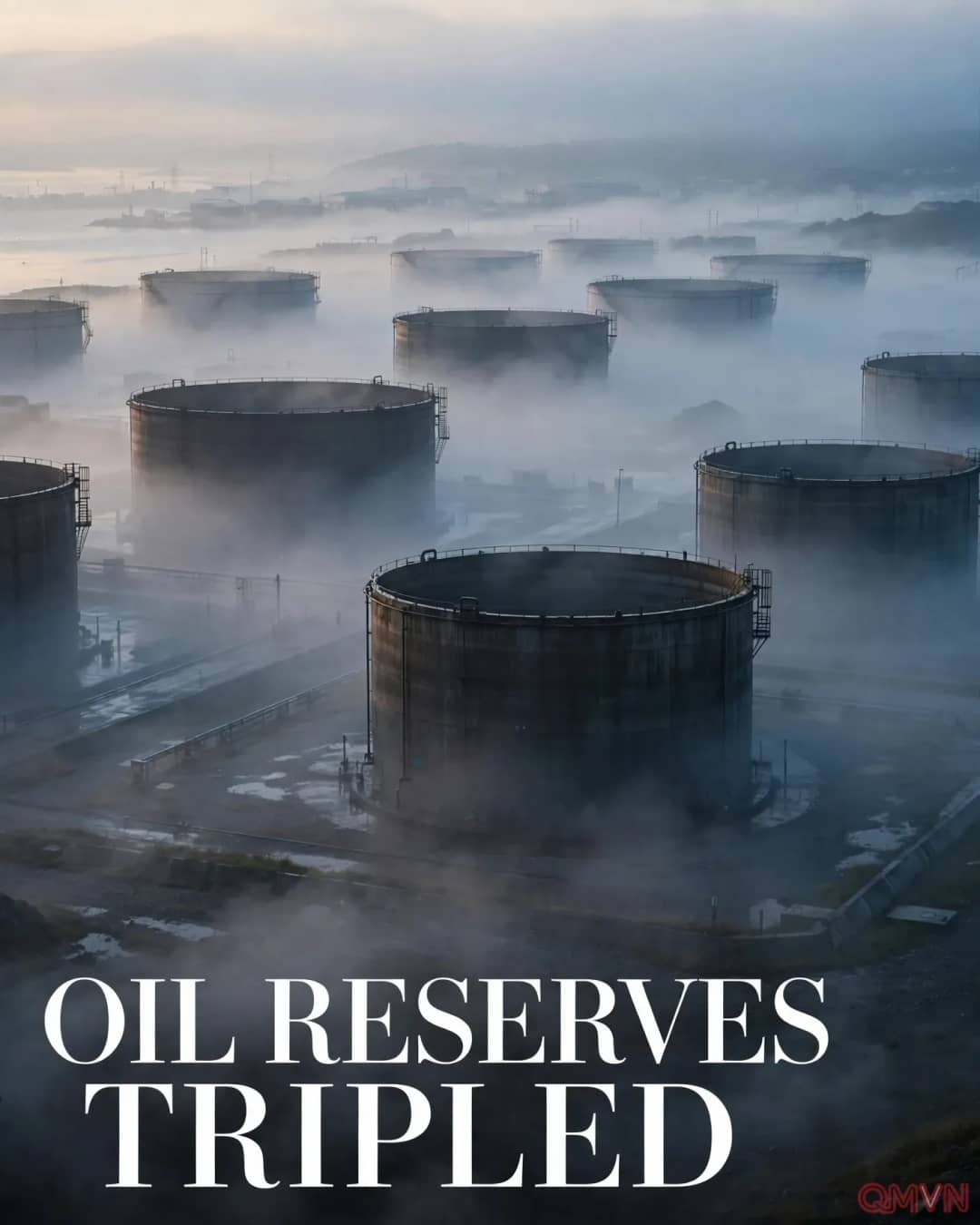
The central figure is 24 million barrels. Saudi Arabia already had access to approximately 8 million barrels of joint storage capacity in Japan; the newly announced arrangement would add 16 million barrels for a specified period. Describing the change simply as Japan buying 24 million barrels would be misleading. Much of that inventory remains part of a cooperative stockholding scheme in which Saudi exporters can supply commercial customers across Asia under normal circumstances.
A separate commitment concerns Japan's own strategic petroleum reserves. Tokyo intends to purchase as much as 8 million barrels of Saudi crude, provided market conditions are favorable. That is a maximum, not evidence that every barrel has already been bought or delivered. The distinction matters because ownership, emergency access and the timing of purchases shape how much flexibility Japanese authorities actually gain.
Why barrels stored nearby matter
Japan imports most of the oil it uses and is acutely exposed to disruptions across long maritime routes from the Middle East. A shipment can be delayed by attacks on shipping, insurance constraints, port congestion or unexpected changes in regional security.
Having crude already in Japanese tanks does not make a refinery immune to a crisis, but it reduces one immediate vulnerability: waiting for a replacement cargo to cross the sea.
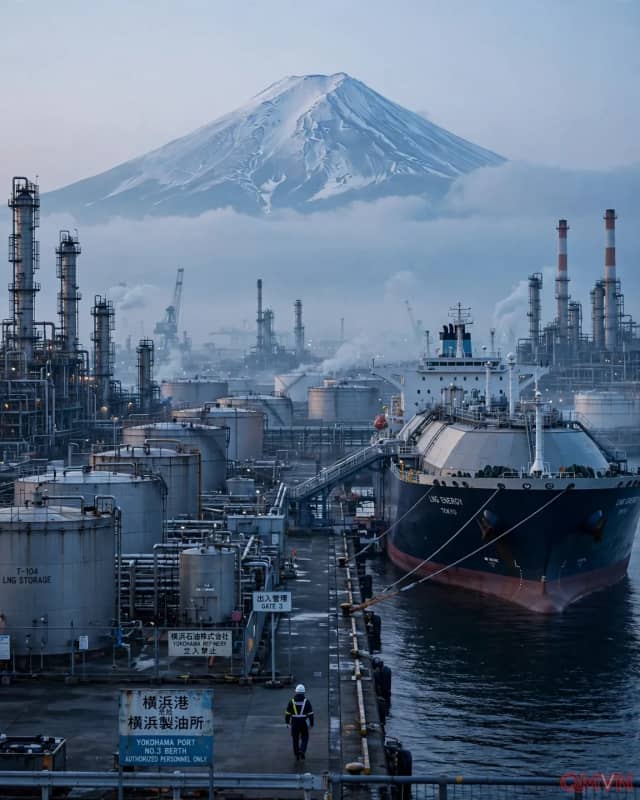
Under Japan's joint stockpiling model, oil-producing partners use local facilities as part of their regular distribution networks, while Japanese companies receive preferential purchasing rights when an emergency is declared. The arrangement therefore aims to serve two purposes without leaving the oil idle. For Saudi Arabia, the tanks establish a dependable foothold near customers; for Japan, they provide a potential emergency supply channel alongside the government and private-sector inventories it already maintains.
A partnership tested by an unsettled region
The decision follows months of talks that began in May 2026 and a year of strain in regional energy markets. Japanese officials have already used national reserves to cushion supply disruptions. The new agreement is best understood as an additional protective layer rather than a substitute for established emergency stocks. Its effectiveness will ultimately depend on operating rules, available tank space and how rapidly crude can move from storage to refiners.
The cooperation also illustrates why energy security cannot be reduced to buying oil at the lowest price. Importing states value predictability, proximity and contractual priority, while producers value reliable buyers and logistical reach. Such reciprocity can help manage a shock, although it does not guarantee that prices will remain affordable if a wider crisis affects the entire region.
The limits of stockpiling in an energy transition
The expanded capacity arrives as Japan works on both immediate fuel security and longer-term changes in its energy system. Additional crude buffers can protect households and businesses from abrupt physical shortages; they do not resolve dependence on fossil fuels or the emissions associated with their use. Officials must still weigh storage costs, the condition of infrastructure, the quality of crude available and the risk that a prolonged disruption outlasts an emergency buffer.
A useful measure of success will not be the headline number alone. It will be whether access provisions are clear, inventories are maintained, and emergency procedures work when tested. Transparency about when the extra capacity becomes operational, and about any actual reserve purchases, will help distinguish a strategic announcement from barrels that are immediately available.