MAIN CONTENT
A familiar food becomes a diplomatic test
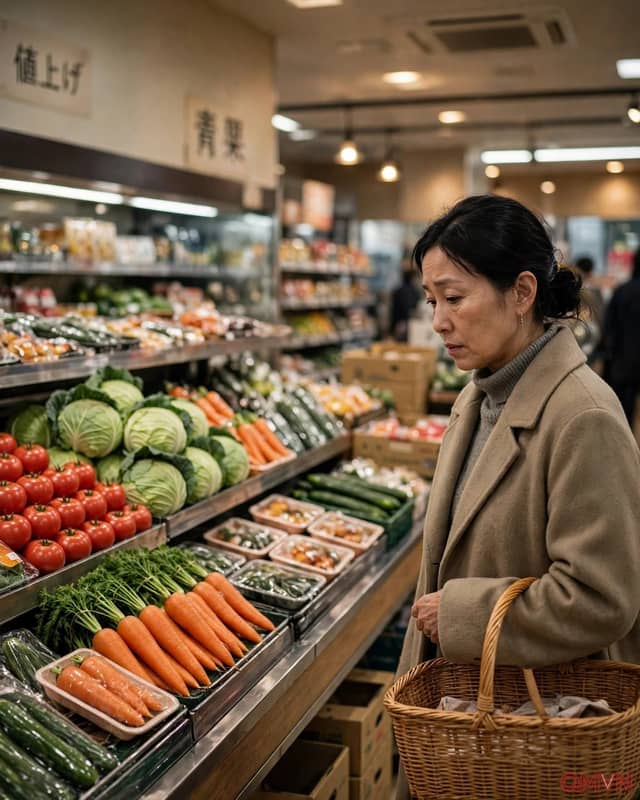
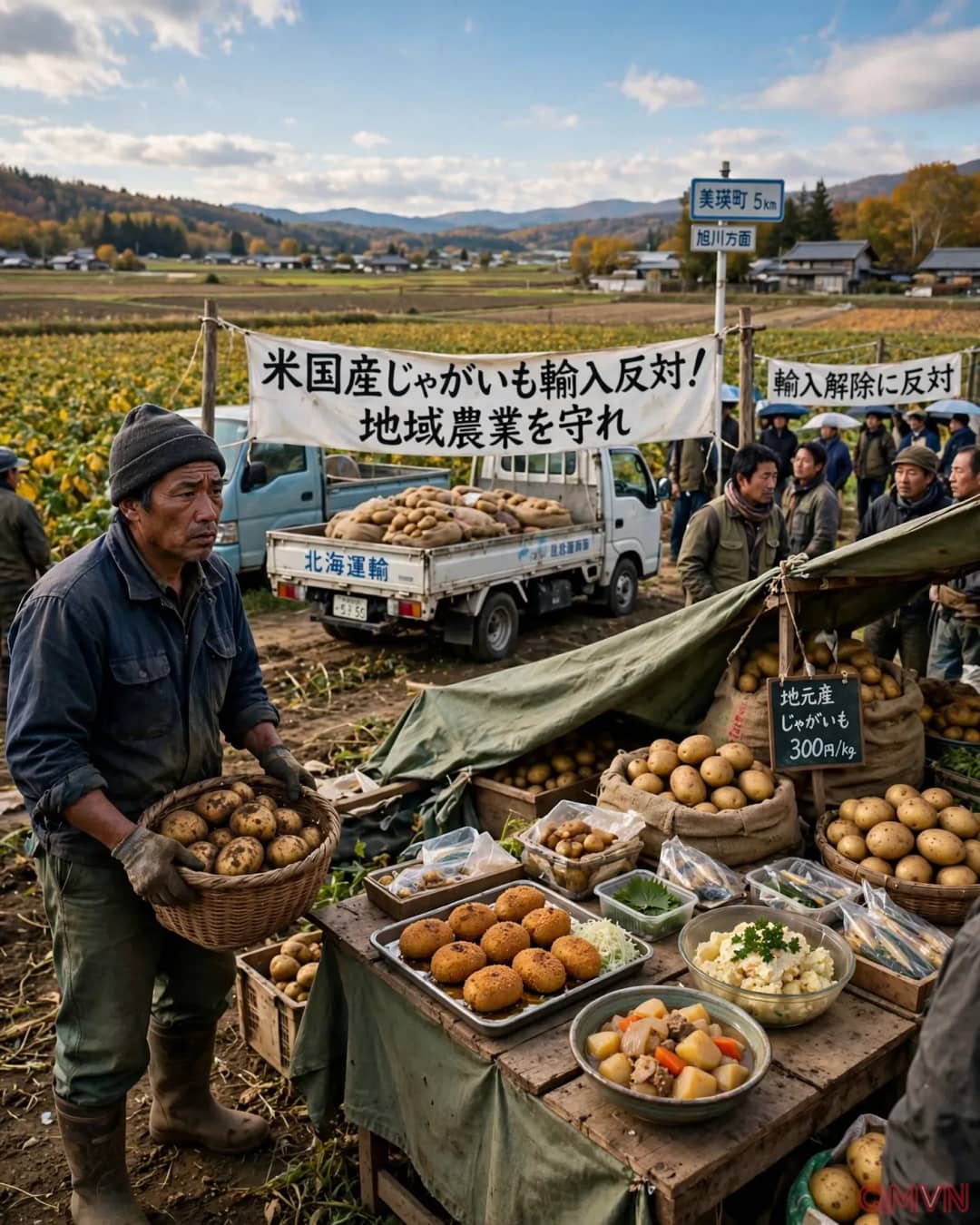
Potatoes are embedded in everyday Japanese cooking, appearing in nikujaga stew, croquettes, potato salad and Hokkaido’s butter-topped baked potatoes. What looks like a specialist trade dispute is therefore also a question about supermarket shelves and family meals. Allowing fresh U.S. potatoes into restaurants and retail markets would create new purchasing options and potentially reshape relationships among importers, wholesalers and domestic growers.
Japan restricted fresh U.S. potatoes in 1950 over plant-health concerns. A 2006 exemption allowed potatoes intended for chip production to enter through tightly controlled channels, not to circulate freely as fresh produce. Washington now wants broader market access. U.S. industry advocates estimate that opening the market could generate another $150 million in yearly exports, a projection that should not be mistaken for a guaranteed outcome.
Why Hokkaido farmers are apprehensive
Hokkaido accounts for roughly four-fifths of Japanese potato production. Its growers already face rising costs, changing weather patterns and a shrinking rural workforce. Cheaper imported potatoes could add pressure on smaller farms that lack the scale to absorb prolonged price competition, even if consumers and restaurants benefit from more choice.