MAIN CONTENT
Energy resilience joins the transition agenda
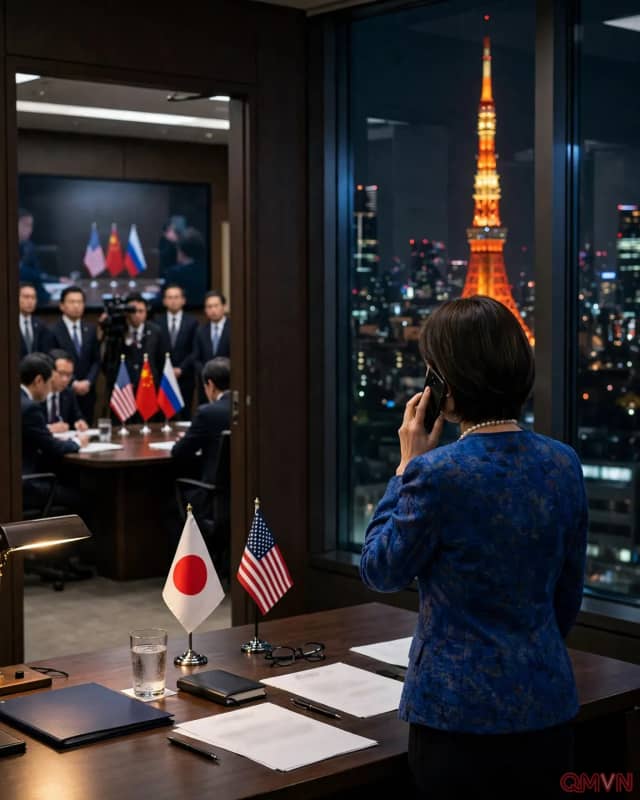
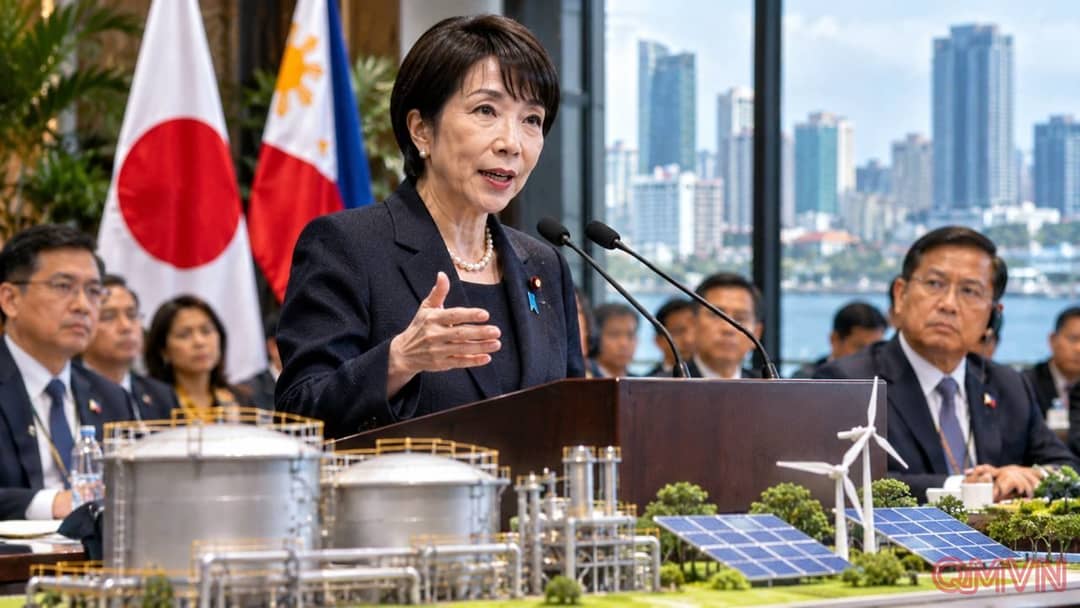
The fourth AZEC leaders' meeting in the Philippine capital marked a wider definition of energy cooperation. Prime Minister Sanae Takaichi urged partners to develop AZEC 2.0 by strengthening POWERR Asia, a resilience initiative introduced earlier in 2026. Japan's official account describes energy security, economic growth and decarbonisation as mutually connected priorities, rather than separate diplomatic tracks. The shift acknowledges that ambitious climate strategies cannot remain politically sustainable if households and businesses are left exposed to sudden fuel shortages.
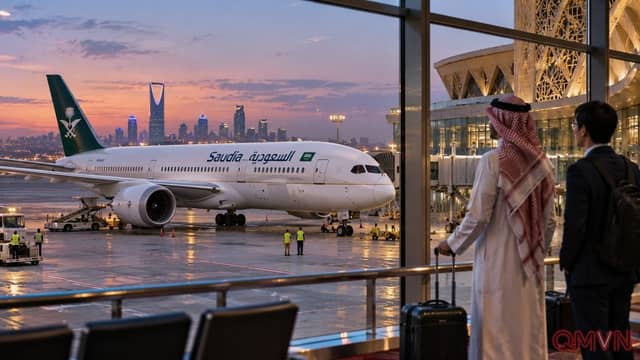
Disruptions to crude oil and refined-product shipments can spread far beyond petrol stations. They raise costs for power generation, freight, chemicals and food distribution, especially in economies reliant on imports. Strategic stocks can cushion the immediate impact and buy governments time to arrange new supplies. Yet a national reserve, however substantial, cannot automatically address a regional emergency when transport routes and domestic storage capacity vary so widely.
A task force, shared storage and an IEA link
Japan's proposed Asia Oil Security Task Force would help partners explore shared market intelligence, stronger stockholding systems and coordinated emergency releases. Reuters reported that the plan could make available underused storage facilities in Japan for other Asian countries.