MAIN CONTENT
How a small fire became a historic loss
Lightning ignited Dragon Bravo on July 4, 2025. Two days later, park leadership selected a confine-and-contain strategy, seeking to keep flames within identified boundaries rather than immediately attempting full suppression. Such strategies can be legitimate in particular landscapes. The review's concern was that this choice remained in place as wind, dry vegetation and the fire's behavior began to defeat the assumptions on which it rested.
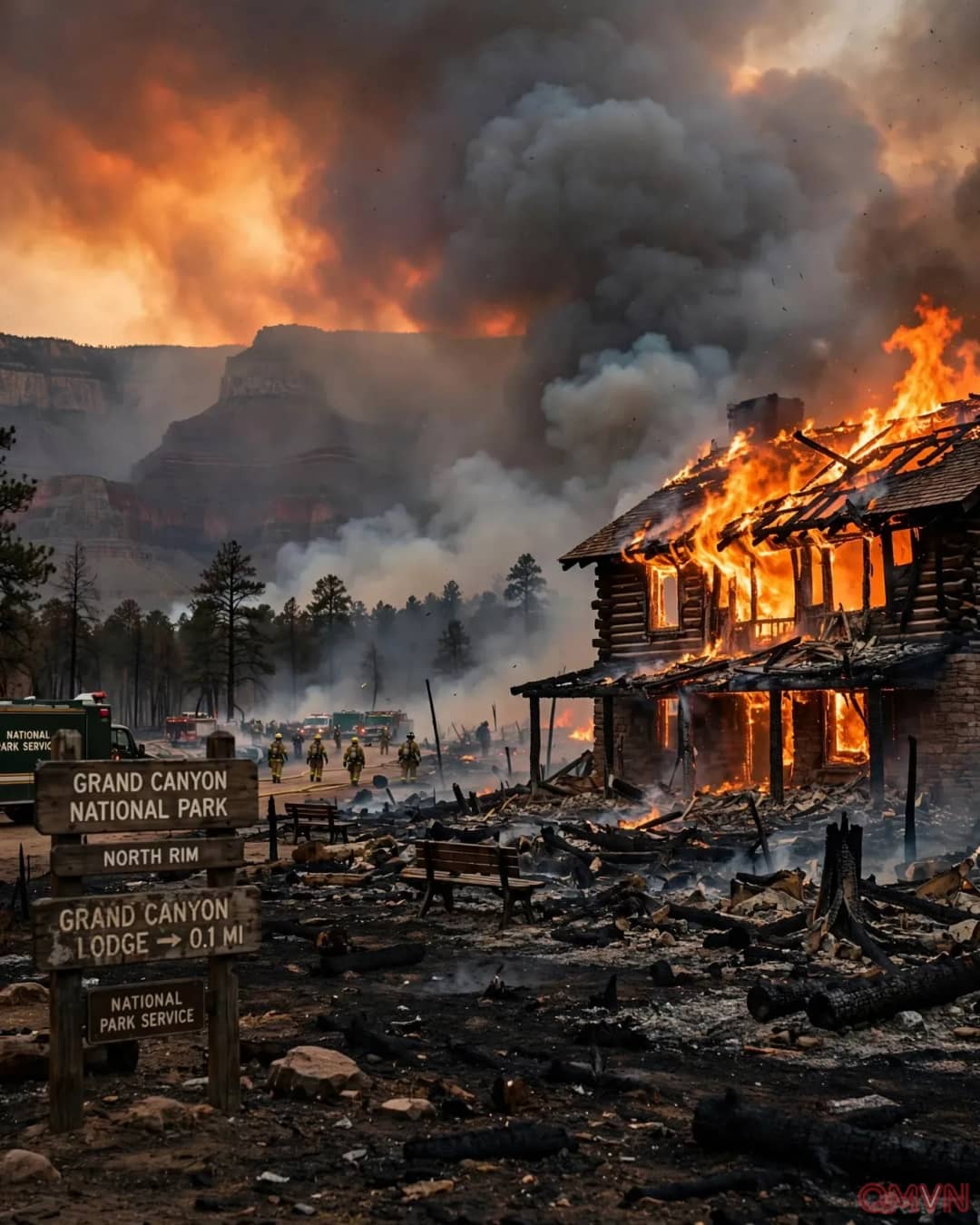
Between July 11 and July 13, the fire intensified, crossed anticipated control lines and reached developed areas of the North Rim. Grand Canyon Lodge, historic cabins, staff accommodation and essential infrastructure were consumed. The National Park Service initially emphasized an abrupt, extreme change in wind. Investigators acknowledged severe environmental conditions but said deeper organizational shortcomings also shaped the outcome and should be addressed.
When the command chain could not keep pace
The review describes discontinuity between those directing operations and those authorizing critical measures. Command transitions and indirect communication meant that emerging danger did not always reach decision-makers promptly or in an actionable form. A request to use aerial fire retardant was not clearly transmitted and resolved through established channels. Authorization came only after major structures, including the lodge, had already been lost.