MAIN CONTENT
Domestic voters alter the strategic calculation
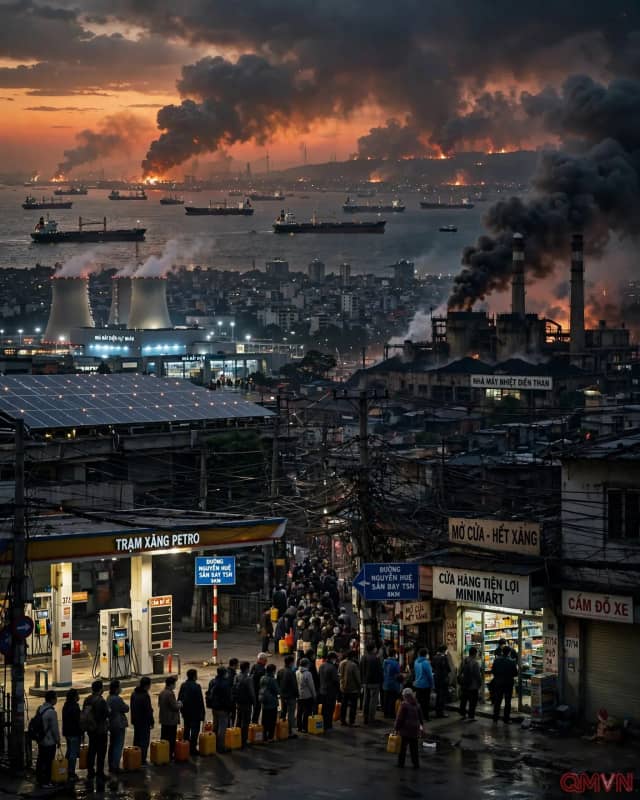
In the months leading up to the vote, the White House alternated between hopes for a settlement and warnings of renewed military action. Reuters and AP reported strong voter frustration with the cost of living, particularly fuel, and with a war that offered no obvious exit. Democrats secured both the House and Senate, but their majorities do not take office until January 2027. The outcome therefore does not immediately remove presidential military powers or automatically end hostilities.
An incoming Congress can convene hearings, demand documents, scrutinize military spending and investigate how policy decisions were made. These powers raise the political price of renewed attacks without amounting to an instant prohibition on executive action. Vice President JD Vance publicly blamed the Iran war for Republican losses; Trump acknowledged its electoral impact while defending the campaign. Their different emphases reflect a larger dispute over how military objectives can be reconciled with a president's political legacy.
Hormuz links diplomacy to household energy bills
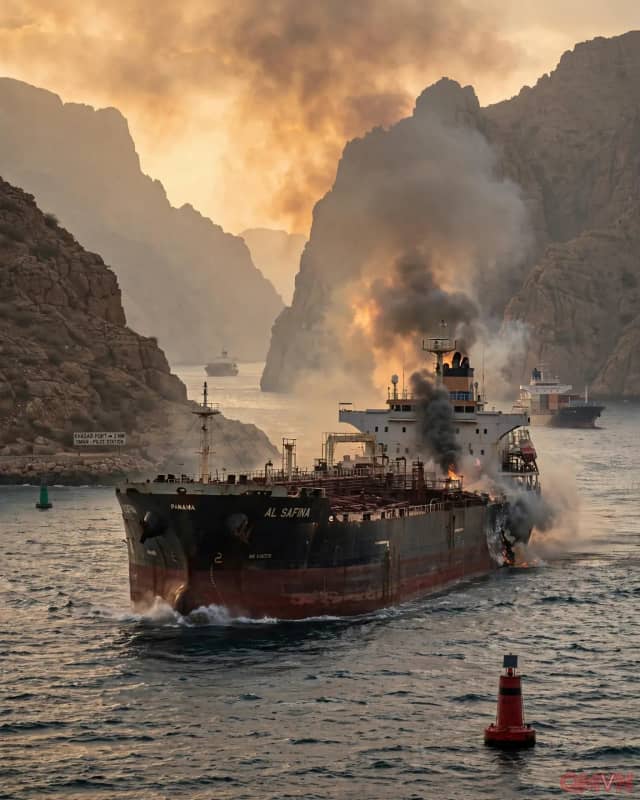
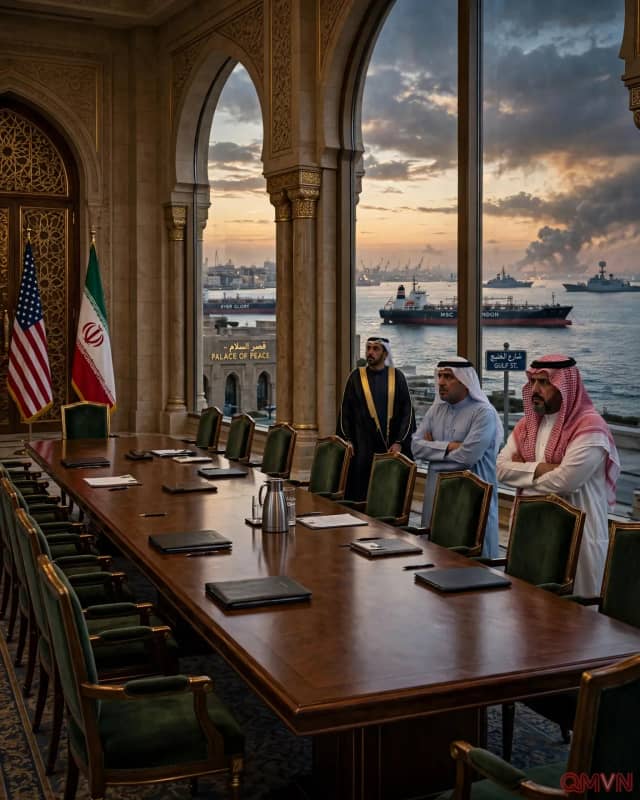
The Strait of Hormuz connects the Persian Gulf to international energy markets. Following the February 28 attacks, Iran struck regional targets and shipping, while Washington imposed restrictions on Iranian oil movements.