MAIN CONTENT
From five national forces to one coordinated region
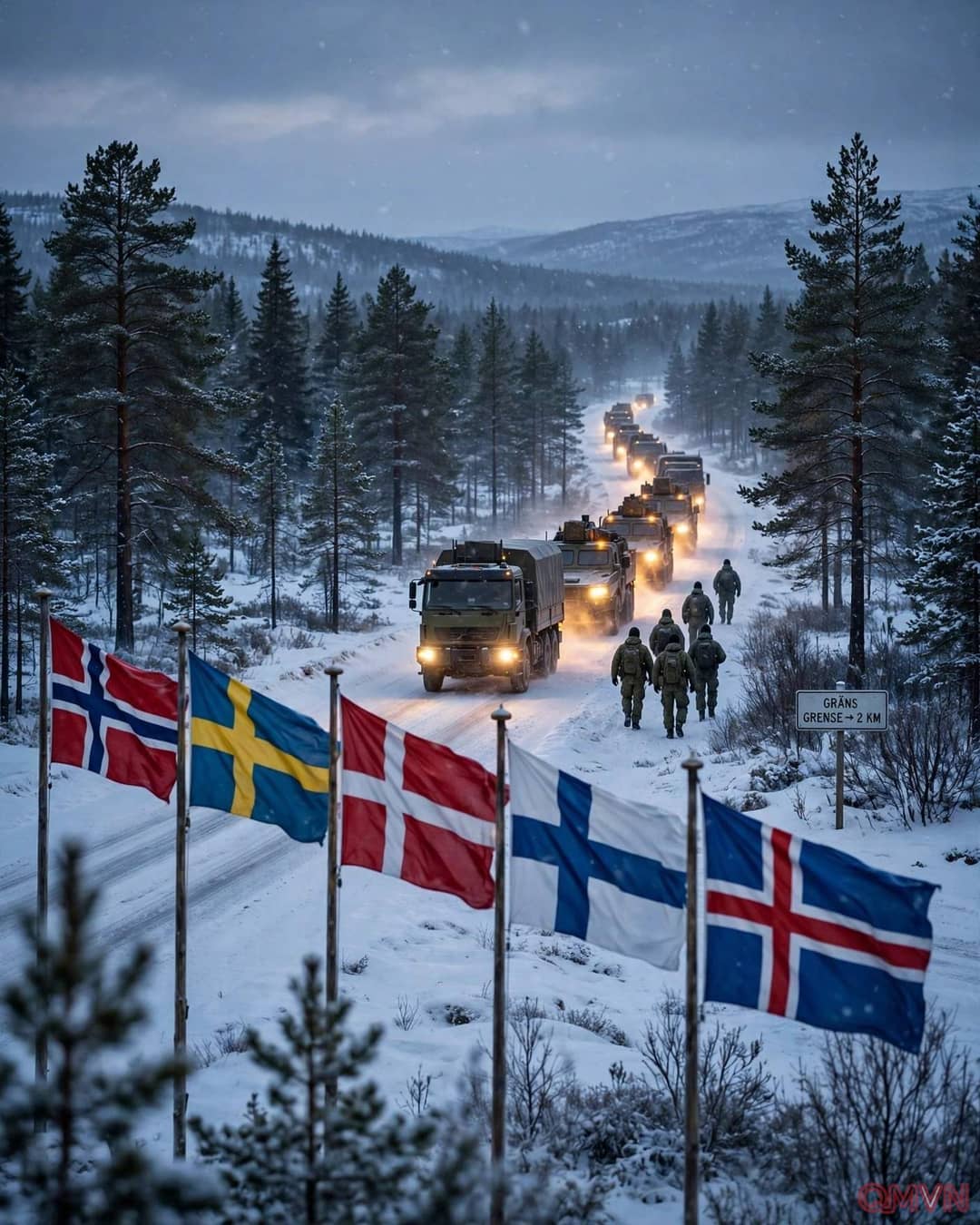
The ministers framed their initiative as a practical answer to a strategic map that has changed profoundly. With Finland and Sweden now NATO members, Nordic defence planning no longer needs to navigate the old divide between allied and militarily non-aligned neighbours. Forces can build common procedures across the Baltic approaches, northern Europe, the Arctic and the North Atlantic, although geography and national responsibilities still differ. The Norwegian government said the five countries intend to deepen their integration and strengthen NATO’s wider deterrence and defence.
Norwegian Defence Minister Tore O. Sandvik emphasised that troops must be able to move easily across frontiers, that supplies must arrive at the right place and that forces need to operate together. That vision sounds straightforward, but it reaches into matters as mundane as permissions for military convoys, customs rules, rail capacity, infrastructure protection and common communications. Military effectiveness can depend on whether these administrative obstacles have been solved before a crisis begins.
Mobility, logistics and the invisible work of deterrence
The plan’s operational core is interoperability: the ability of different armed forces to deploy, communicate and fight under compatible arrangements. Nordic countries already conduct joint exercises, and their defence cooperation forum, NORDEFCO, has set goals for combined operations, host-nation support, procurement, military mobility and supply security.