MAIN ARTICLE
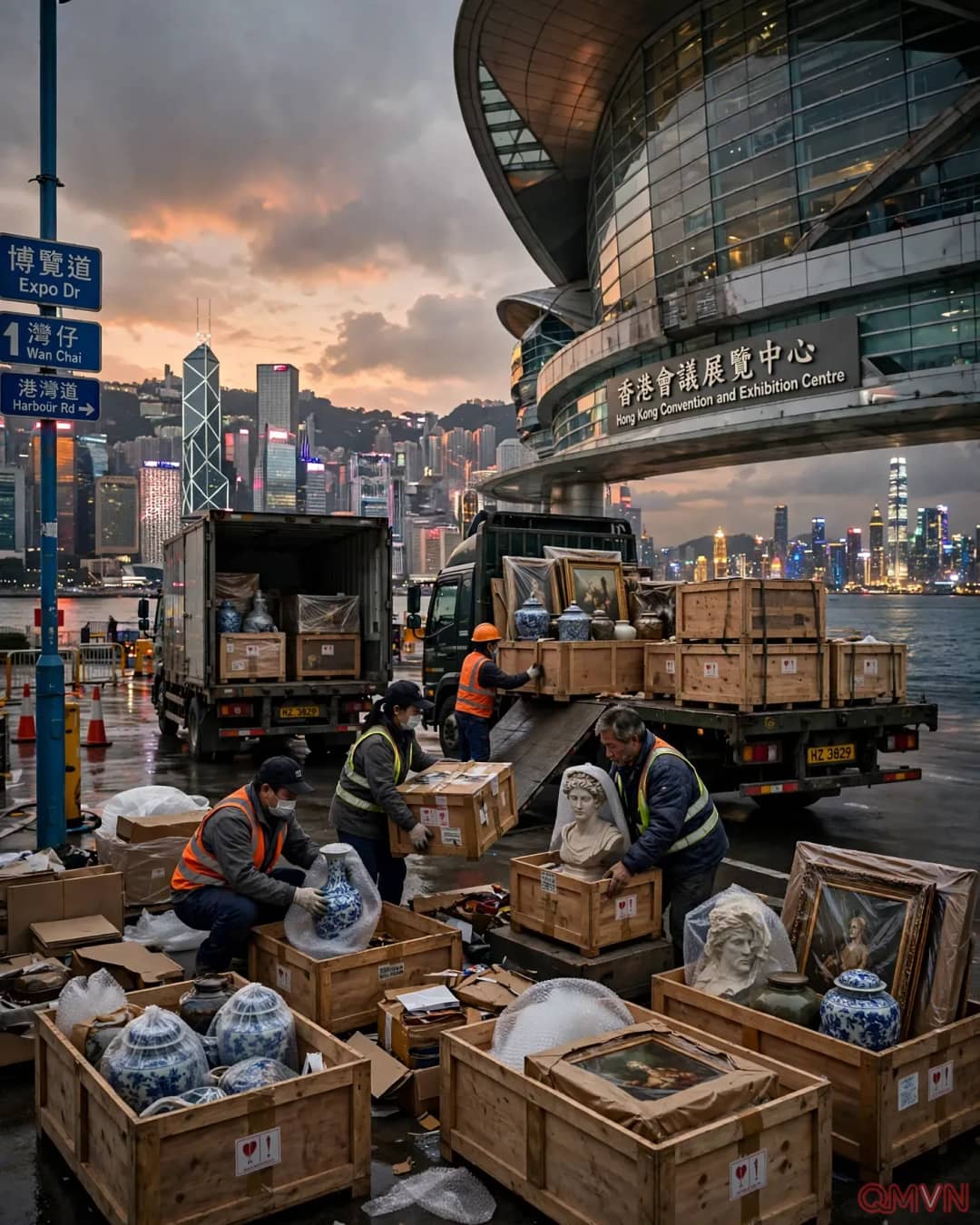
A twenty-year institution faces a difficult choice
Founded in 2006, Fine Art Asia grew alongside Hong Kong’s role as a meeting point for Asian collectors and the international art trade. Its presentations combined antiques, classical works and contemporary art, bringing together dealers, curators and private buyers. The fair continued to operate even through the disruptions of the Covid-19 pandemic, reinforcing its reputation as a recurring fixture rather than a temporary cultural experiment.
According to the South China Morning Post, founder Andy Hei decided after the 2025 edition to discontinue the Hong Kong version, citing a pronounced downturn in the local market over the preceding two years and the conclusion of government venue-rental support. That is the organizer’s assessment, not proof that every part of Hong Kong’s art market is in decline. Different fairs serve different buyers, and their exposure to costs and shifts in demand can vary considerably.
The decision consequently carries both commercial and symbolic weight. A long-established fair has relationships, expertise and recognition that newer events must build from scratch. But tradition does not pay for exhibition space, transport or specialist staffing. Organizers still need willing exhibitors and visitors with an appetite to buy. When that balance changes, keeping the same venue may become less important than preserving the event itself.