MAIN CONTENT
A long summit ends at an impasse
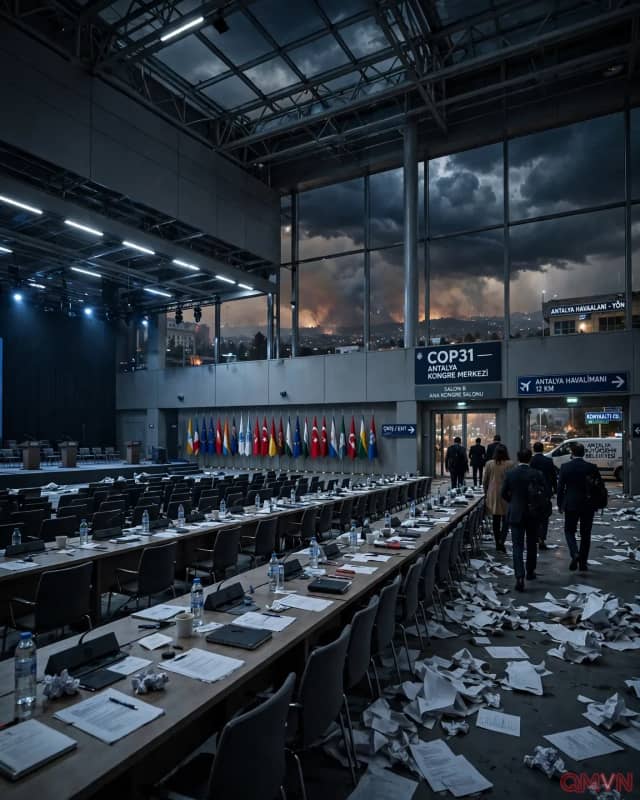
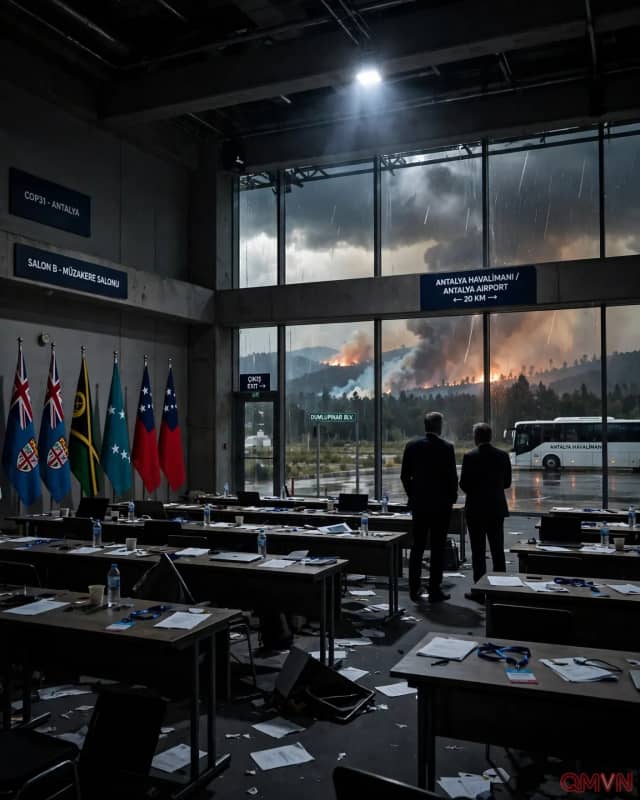
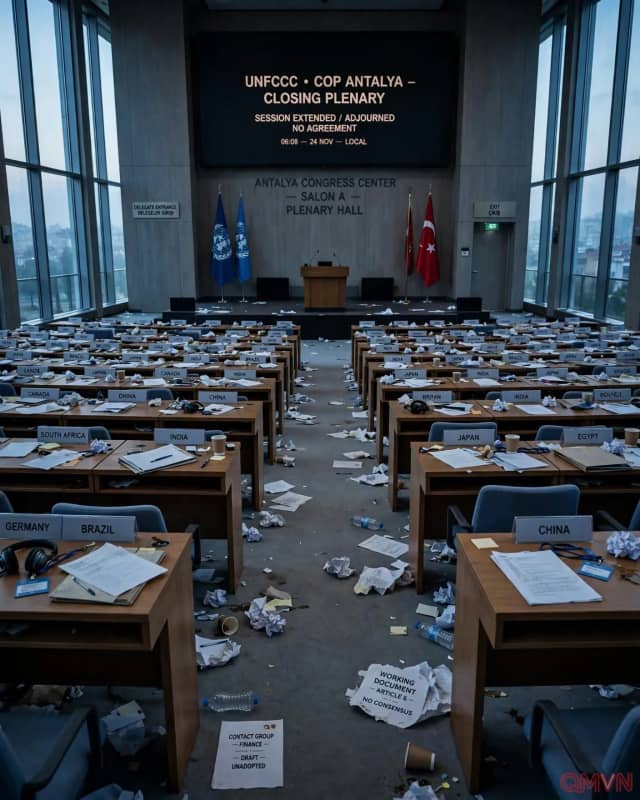
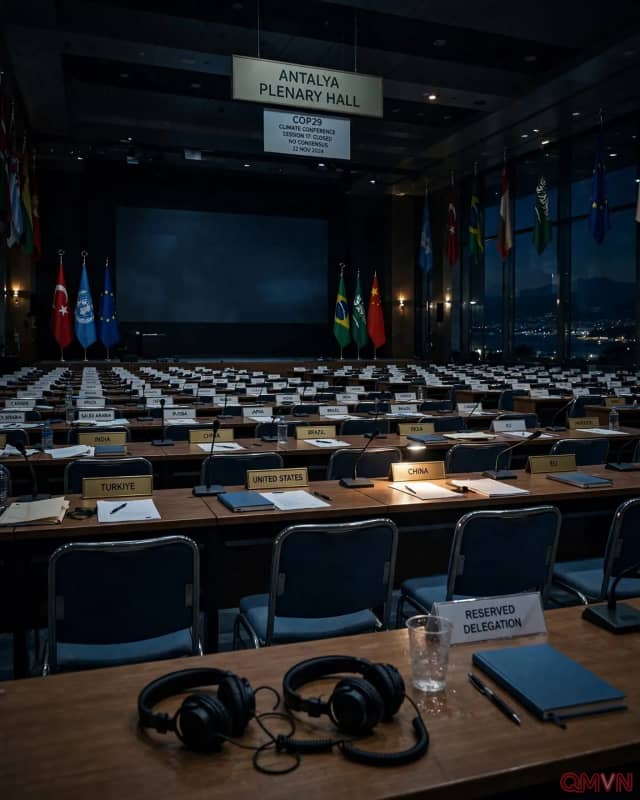
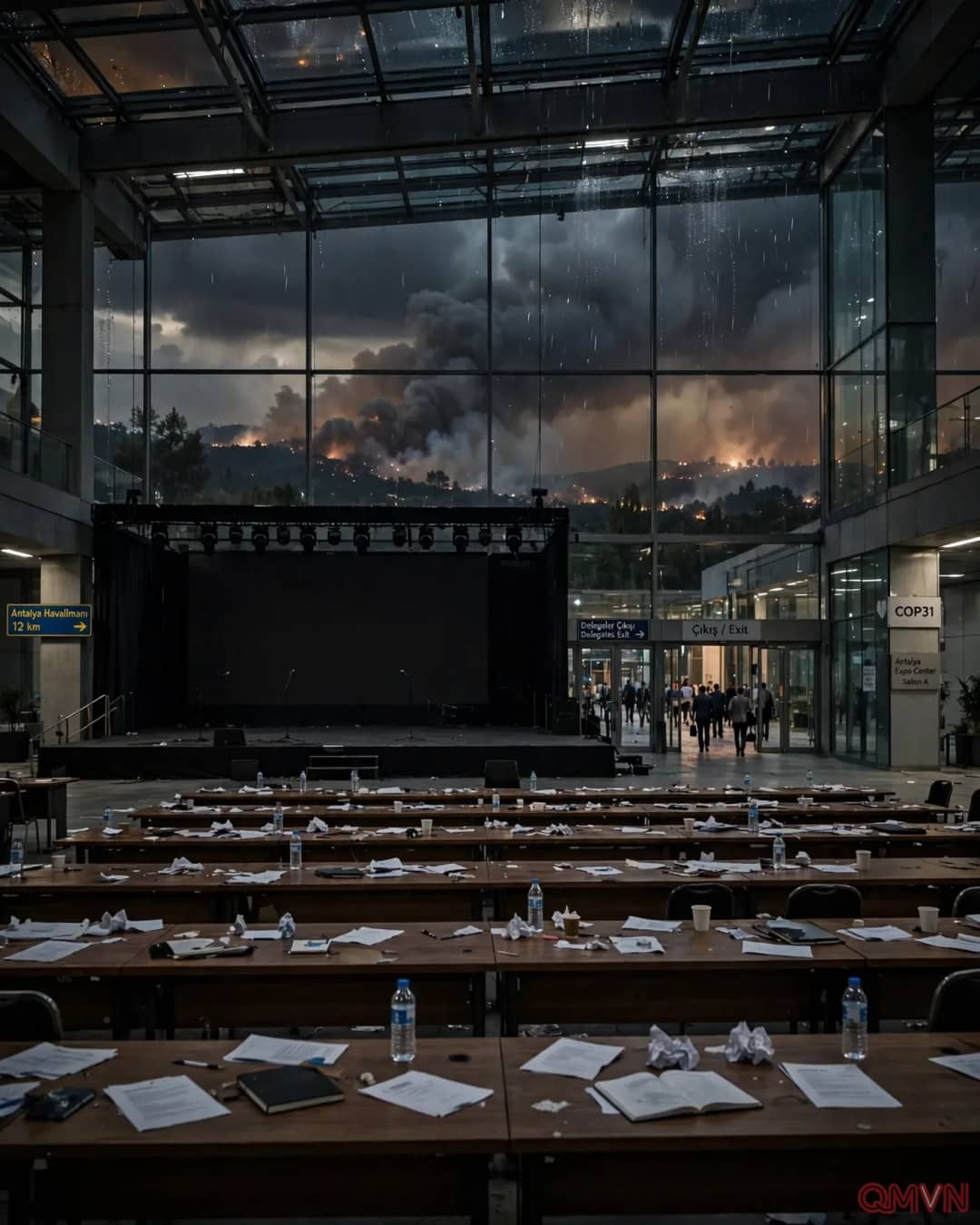
The closing session in Antalya offered a stark contrast to the hopes that the conference would accelerate international climate action. Negotiations stretched two days beyond the scheduled deadline, yet a proposed overarching decision coordinated by host Türkiye and Australia could not attract the necessary consensus. Murat Kurum, Türkiye’s environment minister and COP31 president, said negotiators had done all they could and that another version would not be circulated when the core disagreements remained unresolved.
The dispute was more substantial than a drafting argument. For governments seeking faster emissions cuts, removing any direct reference to fossil fuels meant declining to name the principal driver of global warming. For countries whose economies depend heavily on coal, oil and gas, wording on energy transition carries implications for government revenue, employment, energy access and political stability. Those conflicting interests became impossible to reconcile within the final text.
The fossil fuel divide remains unresolved
European Union representatives argued that a climate declaration silent about fossil fuels would be inadequate. Panama and vulnerable island countries likewise warned that postponing difficult choices leaves their communities exposed to greater threats from extreme storms and rising seas.