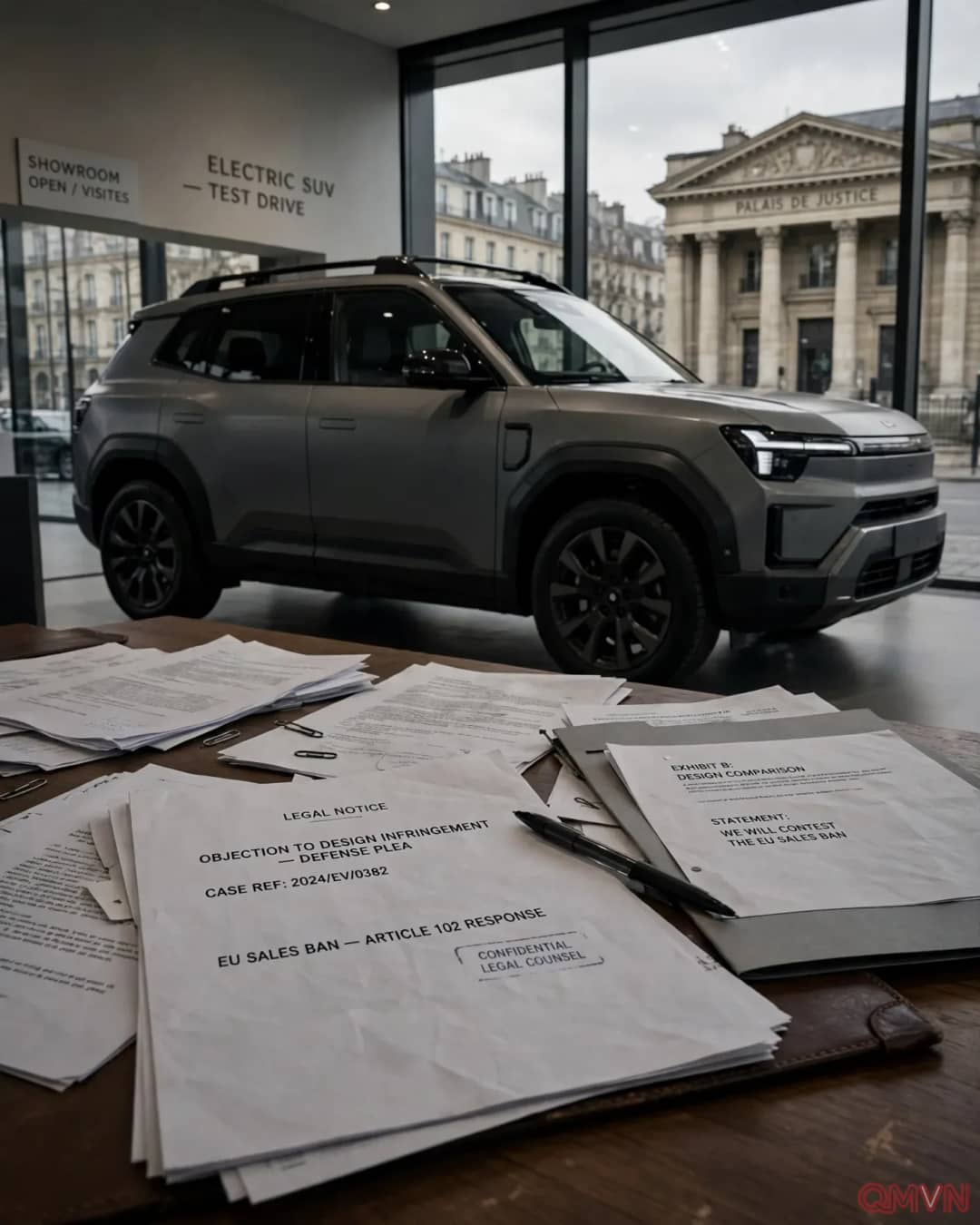
The ruling and BYD's response
The injunction from The Hague court prohibits BYD from selling the Fang Cheng Bao Ti7 in the EU while the dispute continues. BYD responded with a firm statement, saying the Ti7 infringed none of JLR's rights and that it would use every legal avenue to show the decision was wrong.
BYD strongly disagrees with the judgment and will appeal it.
The decision concerns JLR's registered EU design right for the Defender. A separate case in Rotterdam, in which JLR alleges copyright infringement and slavish imitation, has not yet been decided.
A legal battle in several rounds
The dispute has unfolded over several months:
- In late July, BYD opened orders for the Ti7 in Europe, and many observers noted its boxy resemblance to the Defender.
- In August, bailiffs acting for JLR carried out court-authorised inspections at BYD's Dutch offices and seized documents, including launch plans and technical and financial information.
- On November 11, The Hague court lifted that seizure and ordered JLR to destroy or return the files, finding they were not needed to decide the design claim, a procedural victory for BYD.
- On Friday, the same court ruled on the substance of the design claim in JLR's favour and barred EU sales of the Ti7.
JLR has also accused BYD of dismantling a Defender to study its technology, an allegation BYD has not accepted.
What is at stake
For JLR, the Defender is a central part of its brand and one of its most profitable models, and protecting its distinctive design is a priority. For BYD, the ruling disrupts plans to sell a premium rugged SUV in Europe, where it has been expanding quickly through new models, dealerships and a factory under construction in Hungary.
The ban covers only the EU; the Ti7 is due to go on sale in the United Kingdom, where EU design rulings do not apply, in early 2027.
A wider debate over design
Car design disputes are notoriously complex, because many vehicles share common features such as boxy shapes or round headlights, and courts must decide whether an overall impression is truly similar. Supporters of JLR's case argue that iconic designs deserve strong protection against imitation. Others warn that overly broad protection could limit competition and innovation in a market where Chinese manufacturers are offering cheaper electric alternatives. The appeal will test how European courts balance these interests.